Support our educational content for free when you buy through links on our site. Learn more
Master the 4 A’s Lesson Plan in English: Your Ultimate Guide (2026) 🚀

Have you ever wondered how some English teachers effortlessly craft lessons that captivate students from start to finish? The secret often lies in a powerful framework known as the 4 A’s lesson plan—a dynamic approach that transforms ordinary lessons into engaging, meaningful learning experiences. Whether you’re a seasoned educator or just starting out, mastering the 4 A’s can revolutionize your classroom, boosting student participation, critical thinking, and practical language use.
In this comprehensive guide, we’ll unravel each stage of the 4 A’s—Activity, Analysis, Abstraction, and Application—and share insider tips from the Teacher Strategies™ team. Plus, stick around for real-world examples and savvy solutions to common challenges that will have you designing stellar English lessons in no time. Ready to unlock the full potential of your teaching? Let’s dive in!
Key Takeaways
- The 4 A’s framework structures lessons into four essential stages: Activity, Analysis, Abstraction, and Application, ensuring a balanced and effective learning process.
- Engaging activities activate prior knowledge and spark curiosity, setting the stage for deeper understanding.
- Analysis encourages critical thinking through guided questioning and reflection.
- Abstraction formalizes learning by clarifying language rules and concepts.
- Application allows students to practice and internalize skills in real-world contexts.
- The framework is flexible and adaptable, perfect for diverse learners and various proficiency levels.
- Incorporating technology and differentiated instruction enhances the 4 A’s effectiveness.
Ready to transform your English lessons? Keep reading to explore detailed strategies, examples, and expert advice that will make the 4 A’s your go-to lesson planning tool!
Table of Contents
- ⚡️ Quick Tips and Facts for Crafting Engaging 4 A’s English Lesson Plans
- 📚 Unpacking the 4 A’s Lesson Plan: A Foundation for English Language Teaching Excellence
- 🌟 Why the 4 A’s Model Shines in English Language Classrooms
- 📝 Deconstructing Each ‘A’: A Step-by-Step Guide to Effective English Lesson Design
- 💡 Beyond the Basics: Advanced Strategies for 4 A’s English Lesson Plans
- 🚧 Common Challenges and Savvy Solutions in 4 A’s English Lesson Planning
- 🍎 Real-World Examples: 4 A’s English Lesson Plans in Action
- 🔄 Comparing the 4 A’s with Other Popular English Lesson Plan Models
- 🎓 Top Tips for New English Teachers Embracing the 4 A’s
- Conclusion: Mastering the Art of 4 A’s English Lesson Planning
- Recommended Links for English Language Educators
- FAQ: Your Burning Questions About 4 A’s English Lesson Plans Answered
- Reference Links and Further Reading
Quick Tips and Facts for Crafting Engaging 4 A’s English Lesson Plans
To master the 4 A’s lesson plan in English, it’s essential to understand the core components and how they contribute to a comprehensive learning experience. As educators at Teacher Strategies™, we recommend starting with a solid foundation in instructional strategies, which can be explored further on our website at https://www.teacherstrategies.org/category/instructional-strategies/. For those looking to dive deeper into the specifics of the 4 A’s model, our article on Master the 4A’s Lesson Plan in English Grade 2: Your Ultimate Guide provides a detailed guide.
When designing your lesson plan, consider the following quick tips:
- Activity should be engaging and relevant to the topic, activating prior knowledge.
- Analysis involves guiding students through a series of questions to deepen their understanding.
- Abstraction is where the new learning is formalized, and students begin to see the bigger picture.
- Application allows students to practice what they’ve learned in a real-world context.
For a more detailed understanding of how to implement these stages, consider exploring resources on instructional coaching at https://www.teacherstrategies.org/category/instructional-coaching/, and classroom management strategies at https://www.teacherstrategies.org/category/classroom-management/.
Unpacking the 4 A’s Lesson Plan: A Foundation for English Language Teaching Excellence
The 4 A’s lesson plan is a structured approach to teaching that focuses on student-centered learning. It’s designed to activate prior knowledge, facilitate connections through activities, and prepare students for new content. This format is particularly effective when the learning competency can be made learner-centered and when students possess relevant prior knowledge.
What Exactly Are the 4 A’s in English Language Instruction?
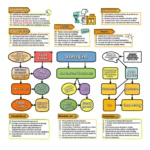
The four A’s stand for Activity, Analysis, Abstraction, and Application. Each stage plays a crucial role in the learning process:
- Activity is an engagement chosen to activate prior knowledge relevant to the upcoming lesson.
- Analysis involves breaking down the activity and its implications through a series of questions.
- Abstraction is the phase where the new learning is formalized, and students begin to form abstract thoughts and ideas.
- Application enables students to apply their learning in a different situation, solidifying their understanding.
A Brief History and Evolution of the 4 A’s Pedagogical Framework
The 4 A’s framework has its roots in learner-centered approaches to education, emphasizing the active role of the student in the learning process. Over time, it has evolved to incorporate various teaching strategies and technologies, making it a versatile and effective tool for educators. For insights into how to adapt this framework for different learning environments, visit our page on Differentiated Instruction.
Why the 4 A’s Model Shines in English Language Classrooms
The 4 A’s model is particularly effective in English language classrooms because it caters to different learning styles and promotes active learning. Here are a few reasons why it stands out:
1. Boosting Student Engagement and Participation
By starting with an engaging activity, teachers can capture students’ attention and encourage participation from the outset.
2. Fostering Deeper Understanding and Critical Thinking Skills
The analysis stage helps students delve deeper into the subject matter, developing their critical thinking skills through guided questioning.
3. Ensuring Practical Application of Language Concepts
The application stage provides students with the opportunity to use the language in context, reinforcing their learning and preparing them for real-world scenarios.
4. Streamlining Lesson Planning for English Teachers
The 4 A’s framework offers a structured approach to lesson planning, making it easier for teachers to design comprehensive and engaging lessons.
Deconstructing Each ‘A’: A Step-by-Step Guide to Effective English Lesson Design
Let’s break down each stage of the 4 A’s lesson plan to understand how to implement them effectively in your English classroom.
1. Activity: Igniting Curiosity and Activating Prior Knowledge
The activity stage is crucial as it sets the tone for the lesson. It should be engaging, relevant, and designed to activate students’ prior knowledge. Consider using games, videos, or discussions that relate to the topic you’re about to introduce.
Brainstorming Engaging Activities for English Learners
When brainstorming activities, think about what will spark curiosity and encourage participation. This could be a role-play, a quiz, or even a short story related to the lesson’s theme.
Tools and Resources for Dynamic Activities
Utilize online resources, educational apps, and multimedia tools to create dynamic activities. For example, you could use Kahoot for interactive quizzes or TED-Ed for educational videos.
2. Analysis: Making Sense of the Language Learning Experience
The analysis stage involves guiding students through a series of questions to help them understand the implications of the activity and how it relates to the new content.
Guiding Students Through Critical Reflection and Discussion
Encourage students to reflect on what they’ve learned and discuss it in groups. This can be facilitated through open-ended questions that prompt critical thinking.
Effective Questioning Techniques for English Analysis
Use a mix of simple to complex questions to lead students toward a deeper understanding of the subject matter. Refer to resources on Assessment Techniques for more insights on effective questioning.
3. Abstraction: Solidifying Concepts and Formalizing Understanding
During the abstraction stage, the teacher presents the complete lesson details, formalizing the new learning. This is where students begin to see how the different parts of the lesson fit together.
Presenting Key English Language Rules and Structures
Clearly explain the key language rules and structures, using examples to illustrate each point. Make sure to provide opportunities for students to ask questions.
Crafting Clear Explanations and Examples
Use simple, clear language and provide a variety of examples to help students understand complex concepts. Consider using visual aids like diagrams or charts.
4. Application: Putting English Skills into Practice
The final stage involves students applying what they’ve learned in a real-world context. This could be through writing, speaking, or any other form of language use.
Designing Meaningful Practice Opportunities
Ensure that the practice opportunities are meaningful and relevant to the students’ lives. This could be through role-plays, writing assignments, or presentations.
Real-World Scenarios for Language Use
Use real-world scenarios to make the language learning experience more authentic. For example, if teaching about making reservations, have students practice making a reservation at a pretend restaurant.
Beyond the Basics: Advanced Strategies for 4 A’s English Lesson Plans
Once you’re comfortable with the basic framework, you can start incorporating more advanced strategies to enhance your lessons.
Integrating Technology for Enhanced English Learning
Technology can add a new dimension to your lessons, making them more engaging and interactive. Consider using educational apps, online quizzes, or video conferencing tools to connect with other classes.
Differentiating Instruction for Diverse English Language Learners
Every class is diverse, with students having different learning needs and abilities. Use the 4 A’s framework to differentiate instruction, adapting activities and assessments to meet the needs of all learners.
Assessing Learning Effectively Within the 4 A’s Framework
Assessment is a crucial part of the learning process. Use a variety of assessment tools and techniques to evaluate student understanding at each stage of the 4 A’s lesson plan.
Common Challenges and Savvy Solutions in 4 A’s English Lesson Planning
While the 4 A’s framework is effective, there are common challenges that teachers face. Here are a few savvy solutions to overcome these challenges:
1. Time Management and Pacing Your English Lessons
Effective time management is key to ensuring that all stages of the lesson are covered. Plan your lesson carefully, allocating sufficient time for each activity.
2. Maintaining Student Engagement Throughout All Four Stages
To keep students engaged, vary the activities and ensure they are relevant and challenging. Use technology and group work to add diversity to your lessons.
3. Adapting the 4 A’s for Different English Proficiency Levels
The 4 A’s framework can be adapted for different proficiency levels by modifying the activities and assessments. For lower-level students, use more guided activities, while higher-level students can be given more independence.
Real-World Examples: 4 A’s English Lesson Plans in Action
Let’s look at a couple of real-world examples to see how the 4 A’s lesson plan can be applied in different contexts.
Case Study 1: Teaching Present Perfect Tense with the 4 A’s
In this case study, the teacher uses a role-play activity to introduce the present perfect tense, followed by an analysis of how the tense is used in different contexts. Students then apply their learning by writing a short story using the present perfect tense.
Case Study 2: Developing Persuasive Writing Skills Using the 4 A’s Model
Here, the teacher starts with a persuasive writing activity, where students analyze different persuasive texts. They then abstract the key features of persuasive writing and apply their learning by writing their own persuasive essays.
Comparing the 4 A’s with Other Popular English Lesson Plan Models
The 4 A’s framework is just one of many lesson plan models used in English language teaching. Let’s compare it with a couple of other popular models.
The 4 A’s vs. PPP (Presentation, Practice, Production)
The PPP model involves presenting new language, practicing it through controlled exercises, and then producing it through freer activities. While both models are effective, the 4 A’s framework offers a more holistic approach, incorporating analysis and abstraction stages.
The 4 A’s vs. ESA (Engage, Study, Activate)
The ESA model, developed by Jeremy Harmer, involves engaging students, studying new language, and then activating it through practice. Similar to the 4 A’s, ESA focuses on student engagement but differs in its approach to lesson structure and the emphasis on activation.
Top Tips for New English Teachers Embracing the 4 A’s
For new English teachers, embracing the 4 A’s framework can seem daunting. Here are a few top tips to get you started:
- Start with simple activities and gradually increase complexity.
- Be flexible and willing to adapt your lesson plan as needed.
- Use a variety of resources and technologies to enhance your lessons.
- Focus on creating a learner-centered environment that encourages participation and engagement.
By following these tips and understanding the core components of the 4 A’s lesson plan, you’ll be well on your way to creating engaging and effective English lessons for your students. For more detailed guidance and resources, consider exploring our website and the links provided throughout this article.
Conclusion: Mastering the Art of 4 A’s English Lesson Planning

After exploring the ins and outs of the 4 A’s lesson plan in English, it’s clear why this framework has become a favorite among educators worldwide. From sparking curiosity with engaging Activities to encouraging deep reflection during Analysis, formalizing understanding through Abstraction, and finally, cementing knowledge with practical Application, the 4 A’s cover all bases for effective language learning.
Our team at Teacher Strategies™ confidently recommends adopting the 4 A’s framework because it:
- Promotes active, learner-centered engagement that keeps students motivated.
- Supports diverse learning styles by incorporating varied activities and assessments.
- Provides a clear, structured roadmap for lesson planning that saves teachers time and effort.
- Encourages critical thinking and real-world language use, which are essential for mastery.
While some teachers may initially find pacing the four stages challenging, especially when balancing time constraints, the flexibility of the 4 A’s allows for adaptation to different proficiency levels and classroom dynamics. Remember, the key is to start simple, observe what works, and iterate your lesson plans accordingly.
So, if you’ve ever wondered how to design English lessons that truly resonate and stick, the 4 A’s approach is your go-to strategy. Ready to transform your classroom? Dive in and watch your students thrive!
Recommended Links for English Language Educators
Looking to enrich your 4 A’s lesson plans with trusted resources and tools? Check out these carefully selected books and platforms:
-
“Teaching by Principles: An Interactive Approach to Language Pedagogy” by H. Douglas Brown
Amazon Link -
“Techniques and Principles in Language Teaching” by Diane Larsen-Freeman and Marti Anderson
Amazon Link -
Kahoot! – Interactive Quizzes for Classroom Engagement
Shop Kahoot! on Amazon -
TED-Ed – Educational Videos for Language Learning
Official TED-Ed Website
FAQ: Your Burning Questions About 4 A’s English Lesson Plans Answered

How can teachers use the 4 A’s approach to differentiate instruction and provide personalized learning experiences for English language learners and struggling students?
Differentiation within the 4 A’s is all about modifying activities and assessments to meet diverse needs. For example, during the Activity stage, teachers can offer tiered tasks—simpler prompts for struggling learners and more complex ones for advanced students. In Analysis, scaffolded questioning helps guide learners at different levels. The Abstraction phase can include visual aids or graphic organizers for learners who benefit from concrete representations. Finally, Application tasks can be personalized to students’ interests or real-life contexts, making learning relevant and accessible.
What are some examples of activities and assessments that can be used to implement the 4 A’s lesson plan in an English classroom to drive student success?
- Activity: Role-plays, vocabulary games, or multimedia prompts to activate prior knowledge.
- Analysis: Group discussions, guided questioning, or concept mapping to deepen understanding.
- Abstraction: Mini-lectures, rule charts, or sentence deconstruction exercises to formalize concepts.
- Application: Writing assignments, presentations, or real-world simulations to practice skills.
Assessment can be formative (quizzes, peer feedback) or summative (projects, tests) and should align with each stage to monitor progress effectively.
How can the 4 A’s framework be used to create a structured and effective English language arts curriculum that supports diverse learning needs?
By embedding the 4 A’s into curriculum design, educators ensure that each lesson builds on prior knowledge, encourages critical thinking, and culminates in meaningful practice. This cyclical process supports scaffolding and spiral learning, which benefits learners at all proficiency levels. Incorporating differentiated instruction and assessment techniques throughout the curriculum ensures that diverse needs are met, promoting equity and inclusion.
What are the 4 A’s in teaching and how can they be incorporated into an English lesson plan to promote student engagement and understanding?
The 4 A’s stand for Activity, Analysis, Abstraction, and Application. Incorporating them involves:
- Starting with an Activity that hooks students.
- Moving to Analysis where students explore and question.
- Proceeding to Abstraction to formalize learning.
- Ending with Application to practice and internalize skills.
This sequence naturally scaffolds learning and keeps students actively involved throughout.
What are the 4 A’s in English?
In English language teaching, the 4 A’s refer to the four stages of a lesson plan designed to enhance student learning:
- Activity: Engage and activate prior knowledge.
- Analysis: Explore and understand the content.
- Abstraction: Formalize and conceptualize learning.
- Application: Practice and apply knowledge.
What are the 4cs of a lesson plan?
The 4Cs typically refer to Connection, Content, Challenge, and Conclusion—a framework focusing on linking new learning to prior knowledge, delivering content, challenging students, and summarizing. While different from the 4 A’s, both frameworks aim to structure effective lessons.
What are the key components of the 4 A’s lesson plan in English?
The key components are:
- Activity: Engaging students and activating prior knowledge.
- Analysis: Guiding students to analyze and reflect.
- Abstraction: Teaching the formal concepts and rules.
- Application: Providing opportunities to practice and apply.
How can the 4 A’s strategy improve student engagement in English lessons?
By involving students in varied, interactive activities and encouraging reflection and application, the 4 A’s keep learners actively involved. This reduces passive learning and increases motivation and retention.
What are effective activities to include in a 4 A’s English lesson plan?
Effective activities include:
- Interactive games and role-plays (Activity)
- Group discussions and Q&A sessions (Analysis)
- Concept mapping and rule explanation (Abstraction)
- Writing tasks and real-life simulations (Application)
How does the 4 A’s lesson plan support different learning styles in the classroom?
The 4 A’s framework naturally incorporates visual, auditory, kinesthetic, and reading/writing learning styles by varying activities and instructional methods. For example, visual learners benefit from charts during Abstraction, kinesthetic learners from role-plays in Activity, and auditory learners from discussions in Analysis.
Reference Links and Further Reading
-
ENGLISH 5 4A’s LESSON PLAN – CAINONG, LADY JANE | PDF
https://www.scribd.com/document/609305977/ENGLISH-5-4A-s-LESSON-PLAN-CAINONG-LADY-JANE -
Teaching by Principles: An Interactive Approach to Language Pedagogy – H. Douglas Brown
Amazon -
Techniques and Principles in Language Teaching – Diane Larsen-Freeman and Marti Anderson
Amazon -
Kahoot! Classroom Resources
Amazon Search: Kahoot Classroom -
TED-Ed Educational Videos
https://ed.ted.com/ -
Differentiated Instruction Resources at Teacher Strategies™
https://www.teacherstrategies.org/category/differentiated-instruction/ -
Assessment Techniques at Teacher Strategies™
https://www.teacherstrategies.org/category/assessment-techniques/
Ready to elevate your English lessons with the 4 A’s? Explore the resources above and start crafting lessons that truly engage and empower your students!