Support our educational content for free when you buy through links on our site. Learn more
Master the 4A’s Lesson Plan in English Grade 2: Your Ultimate Guide 🚀


Have you ever wondered how some Grade 2 English lessons seem to magically captivate young learners, making complex language concepts stick like glue? The secret often lies in a well-crafted lesson plan—and the 4A’s framework is one of the most effective strategies out there. In this article, we’ll unravel the mysteries behind the 4A’s—Activity, Analysis, Abstraction, and Application—and show you exactly how to design engaging, dynamic lessons that spark curiosity and boost comprehension.
Stick around because later, we’ll share a real-world example of a 4A’s lesson plan focused on mastering nouns, plus insider tips from our Teacher Strategies™ team on avoiding common pitfalls and elevating your lessons to superstar status. Ready to transform your Grade 2 English classroom? Let’s dive in!
Key Takeaways
- The 4A’s framework structures lessons into four dynamic stages: Activity, Analysis, Abstraction, and Application, fostering deep understanding and engagement.
- Engaging activities ignite curiosity, while analysis and abstraction build critical thinking and conceptual knowledge.
- Application tasks let students practice and internalize skills, boosting confidence and retention.
- Differentiation within the 4A’s ensures all learners’ needs are met, making lessons inclusive and effective.
- Integrating technology and creative resources can supercharge your 4A’s lesson plans for even greater impact.
Table of Contents
- ⚡️ Quick Tips and Facts: Your 4A’s Grade 2 English Cheat Sheet
- 📚 Unpacking the 4A’s Framework: A Journey Through Effective Pedagogy for Young English Learners
- 🤔 What Exactly is the 4A’s Lesson Plan, Anyway?
- ✨ Why the 4A’s Shine Bright for Grade 2 English Learners
- 🔍 Deconstructing the 4A’s: A Deep Dive into Each Dynamic Stage
- 📝 Crafting Your Grade 2 English 4A’s Lesson Plan: A Step-by-Step Guide
- 🌟 Real-World Example: A 4A’s Lesson Plan for Mastering Nouns in Grade 2 English
- 🌈 Differentiating Instruction within the 4A’s for Diverse Grade 2 English Learners
- 📊 Assessing Learning in a Dynamic 4A’s English Classroom
- 💻 Integrating Technology & Creative Resources into Your 4A’s English Lessons
- 🚧 Common Pitfalls in 4A’s English Lesson Planning and How to Avoid Them
- 🚀 Beyond the Basics: Elevating Your 4A’s English Lessons to Superstar Status
- 🗣️ Teacher Strategies™ Personal Anecdotes: Our 4A’s Triumphs and Learnings in Primary English
- 🎉 Conclusion: Mastering the Art of 4A’s for Grade 2 English Excellence
- 🔗 Recommended Links & Resources for English Grade 2 Teachers
- ❓ Frequently Asked Questions About 4A’s Lesson Plans in English Grade 2
- 📚 Reference Links & Further Reading
⚡️ Quick Tips and Facts: Your 4A’s Grade 2 English Cheat Sheet
For teachers looking to create an engaging and effective English lesson plan for Grade 2 students, understanding the 4A’s framework is crucial. This framework, which stands for Activity, Analysis, Abstraction, and Application, provides a structured approach to teaching that caters to different learning styles and promotes active participation. If you’re interested in more lesson plan ideas, check out our article on 7 Enticing 4a’s Lesson Plan Ideas for English Grade 3 2024 🎓 for inspiration.
Here are some quick tips and facts to get you started:
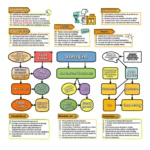
- Activity: Begin with an engaging activity that sparks curiosity and encourages participation. This could be a game, a story, or an interactive exercise that introduces the lesson’s theme.
- Analysis: Follow the activity with a series of questions and discussions that help students analyze and understand the concepts presented. This stage is crucial for connecting new information to prior knowledge.
- Abstraction: After analysis, present the abstract concepts or theories related to the activity. This stage involves explaining the “why” behind the lesson, helping students to generalize and understand the broader context.
- Application: Finally, provide opportunities for students to apply what they have learned. This could be through projects, role-playing, or problem-solving exercises that demonstrate their understanding of the lesson.
📚 Unpacking the 4A’s Framework: A Journey Through Effective Pedagogy for Young English Learners
The 4A’s framework is built on the principle of learner-centered education, where the focus is on the student’s experience and understanding. This approach is particularly effective for young learners, as it encourages active participation, creativity, and critical thinking. For more insights on instructional strategies, visit our category on Instructional Strategies.
What Makes the 4A’s Framework So Effective?
- Engagement: The framework starts with an activity that grabs the students’ attention, making them more receptive to the lesson.
- Depth of Understanding: By moving from activity to analysis, abstraction, and finally application, students gain a deep and nuanced understanding of the subject matter.
- Flexibility: The 4A’s can be adapted to various subjects and age groups, making it a versatile tool for educators.
🤔 What Exactly is the 4A’s Lesson Plan, Anyway?
A 4A’s lesson plan is a detailed outline of how to teach a particular subject or skill using the 4A’s framework. It typically includes:
- Objectives: What the students are expected to learn or achieve by the end of the lesson.
- Materials: Any resources, such as textbooks, videos, or props, needed to facilitate the lesson.
- Procedure: A step-by-step guide on how to deliver the lesson, including the activity, analysis, abstraction, and application stages.
- Assessment: Methods for evaluating student understanding and progress.
✨ Why the 4A’s Shine Bright for Grade 2 English Learners
For Grade 2 English learners, the 4A’s framework offers several benefits:
- Improved Vocabulary: Through interactive activities and discussions, students can expand their vocabulary and improve their communication skills.
- Enhanced Comprehension: The analysis and abstraction stages help students understand and interpret texts more effectively.
- Boosted Confidence: By applying what they’ve learned, students build confidence in their ability to use English in practical situations.
🔍 Deconstructing the 4A’s: A Deep Dive into Each Dynamic Stage
Let’s take a closer look at each stage of the 4A’s framework and how it contributes to an effective lesson plan.
1. 🚀 Activity: Igniting Curiosity and Engagement in Grade 2 English
The activity stage is where the lesson begins, and it’s crucial for setting the tone and engaging the students. This could be a fun game, a story, or an interactive exercise that introduces the theme of the lesson. For ideas on how to make your activities more engaging, consider visiting Instructional Coaching for expert advice.
2. 🧩 Analysis: Making Sense of the English Language Puzzle
Following the activity, the analysis stage involves a series of questions and discussions designed to help students understand and connect the dots between the activity and the lesson’s objectives. This stage is vital for developing critical thinking and problem-solving skills. Check out Classroom Management for strategies on managing discussions and keeping students on track.
3. 💡 Abstraction: Connecting English Concepts and Building Lasting Understanding
In the abstraction stage, the teacher presents the theoretical or conceptual aspects of the lesson, helping students to generalize and understand the broader context. This stage is where students begin to see the “why” behind the lesson and how it fits into their existing knowledge. For more on creating a cohesive learning environment, explore Differentiated Instruction.
4. ✍️ Application: Putting Grade 2 English Skills into Action
The final stage, application, is where students get to demonstrate their understanding by applying what they’ve learned. This could be through projects, role-playing, writing exercises, or any other activity that shows practical use of the skills acquired. Visit Assessment Techniques for guidance on assessing student learning outcomes.
📝 Crafting Your Grade 2 English 4A’s Lesson Plan: A Step-by-Step Guide
Crafting a 4A’s lesson plan for Grade 2 English involves several steps:
- Define Your Objectives: Clearly outline what you want your students to achieve by the end of the lesson.
- Choose Your Activity: Select an engaging activity that introduces the lesson’s theme and encourages participation.
- Plan Your Analysis: Prepare a series of questions and discussions that will help students analyze and understand the concepts presented.
- Develop Your Abstraction: Decide how you will present the theoretical or conceptual aspects of the lesson.
- Design Your Application: Create an activity or project that allows students to apply what they’ve learned.
🌟 Real-World Example: A 4A’s Lesson Plan for Mastering Nouns in Grade 2 English
Let’s consider a real-world example of a 4A’s lesson plan for teaching nouns to Grade 2 English learners:
- Activity: Begin with a fun game where students match pictures of objects with their corresponding nouns.
- Analysis: Follow the game with a discussion on what nouns are and how they are used in sentences.
- Abstraction: Present a lesson on the different types of nouns (common, proper, concrete, abstract) and provide examples.
- Application: Have students create their own short stories using a variety of nouns.
🌈 Differentiating Instruction within the 4A’s for Diverse Grade 2 English Learners
Differentiating instruction is crucial for catering to the diverse needs of Grade 2 English learners. Within the 4A’s framework, this can be achieved by:
- Modifying the Activity: Offering different activities that cater to various learning styles.
- Tailoring the Analysis: Providing questions and discussions that are appropriate for different levels of understanding.
- Adapting the Abstraction: Presenting concepts in ways that are accessible to all learners.
- Varifying the Application: Offering a range of application activities that suit different abilities and interests.
📊 Assessing Learning in a Dynamic 4A’s English Classroom
Assessment is a critical component of any lesson plan, including those using the 4A’s framework. Effective assessment strategies include:
- Observation: Watching students during the activity and application stages to gauge their understanding.
- Quizzes and Tests: Using short quizzes or tests to evaluate knowledge retention.
- Project Evaluations: Assessing the quality and completeness of projects or assignments.
- Peer and Self-Assessment: Encouraging students to evaluate their own work and that of their peers.
💻 Integrating Technology & Creative Resources into Your 4A’s English Lessons
Integrating technology and creative resources can enhance the 4A’s lesson plan and make it more engaging for Grade 2 English learners. Consider using:
- Educational Apps: Apps like Duolingo, which can be used for language learning.
- Interactive Whiteboards: Tools that allow for interactive lessons and activities.
- Creative Software: Programs that enable students to create digital stories, presentations, or artworks.
- Online Resources: Websites and platforms that offer educational content, such as National Geographic Kids or PBS Kids.
🚧 Common Pitfalls in 4A’s English Lesson Planning and How to Avoid Them
When planning a 4A’s lesson, it’s essential to avoid common pitfalls that can hinder its effectiveness:
- Lack of Engagement: Ensure the activity stage is engaging and relevant to the students’ interests.
- Insufficient Analysis: Provide enough time and resources for the analysis stage to help students deeply understand the concepts.
- Poor Abstraction: Present abstract concepts in a way that is clear and accessible to all learners.
- Inadequate Application: Offer application activities that are meaningful and allow students to demonstrate their learning.
🚀 Beyond the Basics: Elevating Your 4A’s English Lessons to Superstar Status
To take your 4A’s English lessons to the next level, consider the following strategies:
- Incorporate Real-World Examples: Use real-life scenarios to make the lessons more relatable and interesting.
- Invite Guest Speakers: Bring in experts or guest speakers to provide unique perspectives and insights.
- Encourage Student Leadership: Allow students to take on leadership roles in planning and delivering parts of the lesson.
- Use Innovative Technologies: Stay updated with the latest educational technologies and incorporate them into your lessons.
🗣️ Teacher Strategies™ Personal Anecdotes: Our 4A’s Triumphs and Learnings in Primary English
At Teacher Strategies™, we’ve had the opportunity to implement the 4A’s framework in various primary English classrooms. One of our most memorable experiences was with a group of Grade 2 students who were struggling to grasp basic sentence structures. By using the 4A’s framework and incorporating engaging activities, such as role-playing and storytelling, we saw a significant improvement in their understanding and confidence. For more personal anecdotes and teaching strategies, visit our website and explore our categories, including Instructional Strategies, Instructional Coaching, and Classroom Management.
🎉 Conclusion: Mastering the Art of 4A’s for Grade 2 English Excellence

So, what’s the final verdict on the 4A’s lesson plan framework for Grade 2 English? From our extensive experience at Teacher Strategies™, we can confidently say that the 4A’s—Activity, Analysis, Abstraction, and Application—offer a powerful, flexible, and engaging roadmap for teaching young learners. This approach not only scaffolds learning effectively but also keeps students actively involved, which is the secret sauce for retention and confidence-building.
Positives:
- Student-Centered: Encourages active participation and critical thinking.
- Versatile: Adaptable to different topics, learning styles, and classroom settings.
- Comprehensive: Covers cognitive, affective, and practical dimensions of learning.
- Engaging: Incorporates games, discussions, and creative projects to spark interest.
Drawbacks:
- Requires thoughtful planning to balance all four stages effectively.
- Some teachers may initially find the abstraction stage challenging to simplify for Grade 2 learners.
- Time management can be tricky if activities or discussions run longer than planned.
But here’s the kicker: once you get the hang of it, the 4A’s framework becomes your best ally in transforming English lessons from dull drills into dynamic learning adventures. Remember the question we teased earlier—how do you keep Grade 2 students engaged while teaching abstract concepts? The answer lies in connecting those concepts to fun, relatable activities and meaningful applications, which the 4A’s structure expertly guides you to do.
Ready to bring your Grade 2 English lessons to life? Dive into the 4A’s framework and watch your students flourish!
🔗 Recommended Links & Resources for English Grade 2 Teachers
Elevate your 4A’s lesson planning with these trusted resources and tools:
-
Educational Books on Lesson Planning & English Teaching:
-
Technology Tools for English Learning:
-
👉 Shop Educational Materials for Grade 2 English:
- Flashcards & Visual Aids:
Amazon Search: Grade 2 English Flashcards - Storybooks & Reading Materials:
Amazon Search: Grade 2 English Storybooks
- Flashcards & Visual Aids:
❓ Frequently Asked Questions About 4A’s Lesson Plans in English Grade 2
How does the 4A’s lesson plan approach support differentiated instruction and learning outcomes for diverse Grade 2 students in an English language arts classroom?
The 4A’s framework inherently supports differentiated instruction by allowing teachers to tailor each stage—Activity, Analysis, Abstraction, and Application—to meet diverse learners’ needs. For example, during the Activity phase, you can offer multiple entry points such as visual games for visual learners or storytelling for auditory learners. In the Analysis and Abstraction stages, scaffolding questions and explanations can be adjusted based on students’ proficiency levels. The Application phase can include varied tasks, from drawing to writing, accommodating different strengths. This flexibility leads to improved learning outcomes as students engage with content in ways that resonate with their individual learning styles.
What are some examples of 4A’s lesson plan activities that can help Grade 2 students develop their reading comprehension skills?
- Activity: Read aloud a short story with vivid illustrations and ask students to predict what happens next.
- Analysis: Discuss the story’s main idea, characters, and setting through guided questions.
- Abstraction: Teach the concept of story elements (beginning, middle, end) and how they shape comprehension.
- Application: Have students create their own mini-story maps or retell the story in their own words, either orally or through drawings.
These activities scaffold comprehension skills while keeping students actively involved.
How can I effectively implement the 4A’s lesson plan framework to improve student engagement in my Grade 2 English class?
Start by designing high-interest activities that connect to students’ experiences or interests—think games, songs, or stories. Use open-ended questions during the Analysis phase to foster curiosity and discussion. Simplify abstract concepts with relatable examples and visuals. Finally, ensure the Application stage involves hands-on or creative tasks that let students showcase their learning. Consistent reflection and feedback during each stage also keep students motivated and engaged.
What are the key components of a 4A’s lesson plan in English for Grade 2 students?
The key components include:
- Clear Objectives: What students should know or do by the end.
- Engaging Activity: To introduce the topic and hook learners.
- Thoughtful Analysis: Questions and discussions to deepen understanding.
- Meaningful Abstraction: Explanation of concepts or rules.
- Practical Application: Tasks or projects to practice skills.
- Assessment & Feedback: To measure and guide learning progress.
How to create a 4A’s detailed lesson plan?
Begin by identifying your learning goals. Then, plan an activity that introduces the concept in an engaging way. Prepare analysis questions that encourage critical thinking. Develop a clear explanation of the abstract concepts involved. Design application tasks that allow students to practice and internalize the lesson. Finally, include assessment methods to evaluate understanding and provide feedback.
What are effective 4A’s lesson plan examples for Grade 2 English?
Examples include:
- Teaching nouns through picture matching (Activity), defining and categorizing nouns (Analysis), explaining types of nouns (Abstraction), and writing sentences using nouns (Application).
- Developing reading comprehension by reading a story (Activity), discussing story elements (Analysis), teaching narrative structure (Abstraction), and creating story maps (Application).
How can teachers implement the 4A’s strategy to improve Grade 2 English learning?
Teachers can start small by integrating one or two stages of the 4A’s into existing lessons and gradually building up to a full 4A’s plan. Using varied materials like flashcards, storybooks, and digital tools can enhance each stage. Collaborating with colleagues and reflecting on student feedback helps refine the approach.
What are the benefits of using the 4A’s lesson plan in Grade 2 English classes?
Benefits include:
- Increased student engagement and motivation.
- Improved comprehension and language skills.
- Development of critical thinking and problem-solving abilities.
- Flexibility to address diverse learning needs.
- Structured yet creative lesson flow.
How does the 4A’s approach support student engagement in Grade 2 English lessons?
By starting with an interactive activity and progressing through analysis, abstraction, and application, the 4A’s keep students actively involved at every step. This variety prevents boredom and caters to different learning preferences, making lessons more dynamic and memorable.
📚 Reference Links & Further Reading
- Pinterest: A Detailed Lesson Plan in English
- Duolingo for Schools
- PBS Kids English Learning Resources
- Scholastic Teaching Resources
- National Geographic Kids
- Amazon: Teaching English Language Learners
- Harry K. Wong Official Website
- Teacher Strategies™ Instructional Strategies
- Teacher Strategies™ Differentiated Instruction
- Teacher Strategies™ Assessment Techniques
Ready to transform your Grade 2 English lessons with the 4A’s? Dive in, experiment, and watch your students thrive! 🚀