Support our educational content for free when you buy through links on our site. Learn more
10 Powerful Teaching Strategies to Transform Your Classroom (2026) 🎓

Imagine walking into a classroom where every student is engaged, curious, and actively shaping their own learning journey. Sounds like a dream, right? Well, with the right teaching strategies, that dream can become your daily reality. In this comprehensive guide, we’ll unpack the top 10 proven strategies that educators swear by—from inquiry-based learning that sparks curiosity to gamification techniques that make lessons irresistibly fun. Plus, we’ll explore how cutting-edge ecosystems like Teaching Strategies’ Creative Curriculum® are revolutionizing classrooms worldwide.
Did you know that teachers who integrate formative assessments and differentiated instruction report significantly higher student success and satisfaction? Later in the article, we’ll share real stories from educators who transformed their classrooms using these approaches—and reveal how you can too. Ready to discover the secret sauce behind effective teaching in 2026? Let’s dive in!
Key Takeaways
- Active learning and differentiated instruction are essential for engaging diverse learners.
- Formative assessments provide real-time feedback that drives instructional success.
- Technology and gamification can boost motivation when used thoughtfully.
- Culturally responsive teaching fosters inclusion and improves outcomes.
- Integrating curriculum, assessment, and professional development creates an unrivaled ecosystem for impact.
Curious about which strategy fits your classroom best? Keep reading to unlock practical tips, expert insights, and recommended resources that will elevate your teaching game this year!
Table of Contents
- ⚡️ Quick Tips and Facts About Teaching Strategies
- 📚 The Evolution and History of Teaching Strategies
- 🎯 Who Benefits Most from Effective Teaching Strategies?
- 🚀 Our Unrivaled Impact: How Teaching Strategies Transform Learning Outcomes
- 🏫 Tour of Proven Teaching Strategy Ecosystems and Frameworks
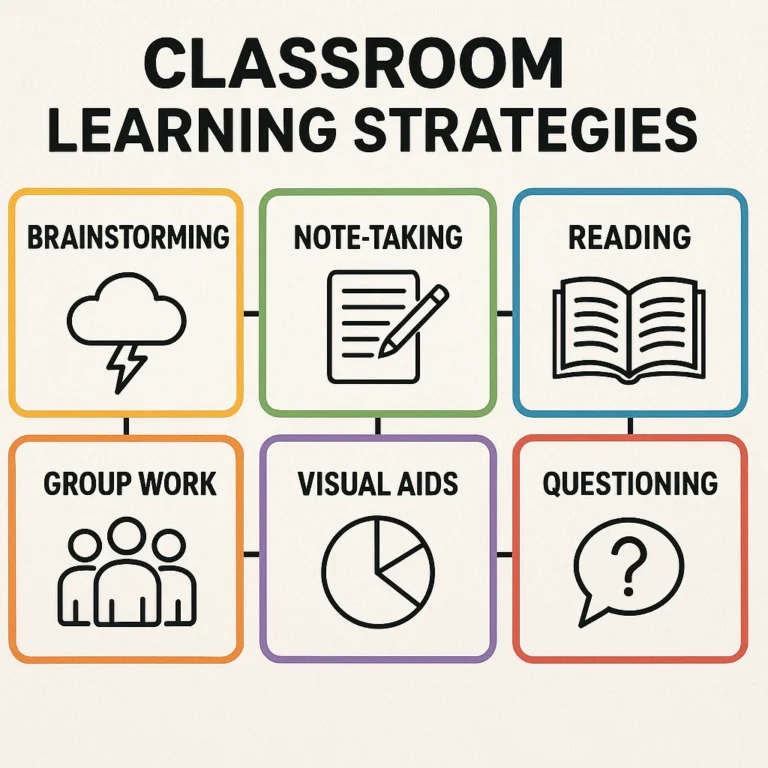
- 🔍 1. Top 10 Teaching Strategies Every Educator Should Know
- 🔍 2. Differentiated Instruction: Tailoring Teaching to Diverse Learners
- 🔍 3. Inquiry-Based Learning: Sparking Curiosity and Critical Thinking
- 🔍 4. Cooperative Learning Techniques That Boost Collaboration
- 🔍 5. Technology-Enhanced Teaching Strategies for the Digital Classroom
- 🔍 6. Formative Assessment Strategies to Track Student Progress
- 🔍 7. Gamification in Teaching: Making Learning Fun and Effective
- 🔍 8. Culturally Responsive Teaching: Embracing Diversity in the Classroom
- 🔍 9. Flipped Classroom Strategies: Turning Traditional Learning Upside Down
- 🔍 10. Metacognitive Strategies: Teaching Students to Think About Their Thinking
- 💡 Quick Tips for Implementing Teaching Strategies Successfully
- 📈 Measuring the Effectiveness of Teaching Strategies: Tools and Techniques
- 🌍 Global Perspectives: Teaching Strategies Around the World
- 🛠️ Recommended Tools and Resources for Teaching Strategy Implementation
- 📖 Conclusion: Mastering Teaching Strategies for Lifelong Impact
- 🔗 Recommended Links for Further Exploration
- ❓ Frequently Asked Questions (FAQ) About Teaching Strategies
- 📚 Reference Links and Credible Sources
⚡️ Quick Tips and Facts About Teaching Strategies
Welcome to the whirlwind world of teaching strategies! If you’re looking to turbocharge your classroom mojo, you’ve landed in the right place. Before we dive deep, here are some quick nuggets from the trenches of Teacher Strategies™ that will get your gears turning:
- ✅ Active learning beats passive listening every time. Students retain more when they do rather than just hear.
- ✅ Differentiation is key: one size fits none; tailoring lessons to diverse learners boosts engagement and success.
- ✅ Formative assessments are your best friend. They help you catch misunderstandings early and adjust your teaching on the fly.
- ✅ Technology is a tool, not a crutch. Use apps like Kahoot!, Nearpod, or Google Classroom to enhance—not replace—good teaching.
- ✅ Social-emotional learning (SEL) matters. Happy, confident students learn better.
- ✅ Collaboration fuels creativity. Peer tutoring and group projects build communication and critical thinking skills.
- ✅ Cognitive Load Theory reminds us: don’t overload working memory! Break info into chunks and scaffold learning. (More on this in the featured video section!)
Fun fact: According to EdWeek, a cohort-based support class for long-term English learners improved academic outcomes and engagement dramatically, proving that strategic grouping and collaboration can be game-changers. (We’ll unpack that later!)
For a deep dive into peer tutoring, check out our related article on Using Peer Tutoring as a Teaching Strategy: 12 Game-Changing Approaches for 2026 🎓.
📚 The Evolution and History of Teaching Strategies

Teaching strategies didn’t just pop out of thin air—they evolved alongside educational philosophy, psychology, and technology. Let’s take a quick stroll through the timeline:
Early Roots: From Socratic Dialogue to Apprenticeship
- The Socratic method (circa 400 BC) introduced questioning as a tool to stimulate critical thinking.
- Apprenticeships focused on hands-on learning, a precursor to today’s experiential learning.
20th Century: Behaviorism to Constructivism
- Behaviorism (think B.F. Skinner) emphasized reinforcement and repetition.
- Constructivism (Jean Piaget, Lev Vygotsky) shifted focus to learners constructing knowledge through experience and social interaction.
Late 20th to 21st Century: Technology and Differentiation
- The rise of computers and the internet birthed technology-enhanced learning.
- Differentiated instruction became mainstream, recognizing diverse learner needs.
- Social-emotional learning (SEL) and culturally responsive teaching gained traction, reflecting a more holistic approach.
Today: Data-Driven, Collaborative, and Inclusive
- Curriculums like Teaching Strategies’ The Creative Curriculum® integrate assessment, professional development, and family engagement to support the whole child.
- Simulation, gamification, and flipped classrooms are modern staples.
- The QSEN Institute emphasizes simulation and interprofessional collaboration in healthcare education, showing how teaching strategies cross disciplines.
History shows us that effective teaching strategies adapt to the times and learners’ needs. What’s next? Keep reading to find out!
🎯 Who Benefits Most from Effective Teaching Strategies?
Spoiler alert: everyone benefits, but let’s break it down:
Students
- Diverse learners thrive when instruction is tailored to their strengths and challenges.
- English Language Learners (ELLs) gain from cohort-based support and scaffolded lessons (EdWeek’s 23-year veteran teacher’s approach).
- Social-emotional skills improve with SEL-focused strategies, boosting confidence and resilience.
Teachers
- Effective strategies reduce burnout by improving classroom management and student engagement.
- Data-driven tools and formative assessments give teachers real-time feedback to adjust instruction.
- Professional development tied to curriculum (like Teaching Strategies’ ecosystem) supports growth from novice to expert.
Families
- Engagement strategies that respect home language and culture foster partnerships that support learning beyond the classroom.
- Transparent communication builds trust and shared goals.
Administrators and Schools
- Improved student outcomes reflect positively on programs and funding.
- Teacher retention improves when educators feel supported and effective.
In short, effective teaching strategies create a virtuous cycle of success and satisfaction across the educational ecosystem.
🚀 Our Unrivaled Impact: How Teaching Strategies Transform Learning Outcomes
At Teacher Strategies™, we’ve seen firsthand how a connected ecosystem of curriculum, assessment, and professional development can revolutionize classrooms.
The Power of Integration
- The Creative Curriculum® integrates play-based learning with ongoing assessment and coaching, supporting over 240,000 classrooms worldwide.
- Programs have boosted teacher retention by 54% and improved academic outcomes across domains.
Real Stories from the Field
- One preschool teacher shared how the curriculum’s in-the-moment support helped her adapt lessons dynamically, resulting in more engaged, confident learners.
- Administrators report that dashboards and data reports streamline compliance and program quality monitoring, freeing up time for instructional leadership.
Why It Works
- Whole-child approach: Addresses cognitive, social, emotional, and physical development.
- Data-driven: Real-time insights guide instruction and interventions.
- Family engagement: Language-inclusive partnerships extend learning beyond school walls.
- Professional development: Supports teachers at every stage, fostering mastery and confidence.
This ecosystem approach is a shining example of how strategic alignment of resources creates measurable impact.
🏫 Tour of Proven Teaching Strategy Ecosystems and Frameworks
Ready for a guided tour? Here are some of the most effective ecosystems and frameworks shaping teaching today:
| Ecosystem / Framework | Focus Area | Highlights | Best For |
|---|---|---|---|
| Teaching Strategies’ Creative Curriculum® | Early childhood whole-child learning | Play-based, aligned assessment, coaching | Preschool to Grade 3 |
| QSEN Institute Strategies | Healthcare education simulation | High-fidelity simulation, interprofessional | Nursing and healthcare students |
| EdWeek Cohort-Based Support | ELL and social-emotional support | Collaborative cohorts, SEL, content alignment | Secondary ELL students |
| Flipped Classroom Model | Student-centered, tech-enhanced | Pre-class content delivery, active in-class | K-12 and higher education |
| Differentiated Instruction Framework | Tailored learning experiences | Flexible grouping, varied content and process | All grade levels |
Each ecosystem offers unique tools and philosophies, but all share a commitment to engagement, adaptability, and measurable outcomes.
🔍 1. Top 10 Teaching Strategies Every Educator Should Know
Let’s get to the heart of the matter: the top teaching strategies that have proven their mettle across classrooms and subjects.
1. Active Learning
Get students moving, discussing, and doing. Think think-pair-share, debates, or hands-on projects.
2. Differentiated Instruction
Tailor content, process, and product to student readiness, interests, and learning profiles.
3. Inquiry-Based Learning
Encourage students to ask questions, investigate, and construct knowledge.
4. Cooperative Learning
Use structured group work to build collaboration and communication skills.
5. Technology Integration
Leverage apps like Kahoot!, Flipgrid, or Google Classroom to enhance engagement.
6. Formative Assessment
Use quick checks for understanding to guide instruction in real time.
7. Gamification
Incorporate game elements to motivate and reinforce learning.
8. Culturally Responsive Teaching
Validate and incorporate students’ cultural backgrounds into lessons.
9. Flipped Classroom
Students review content at home; class time is for practice and application.
10. Metacognitive Strategies
Teach students to think about their thinking and self-regulate learning.
These strategies are not mutually exclusive—mix and match for maximum impact!
🔍 2. Differentiated Instruction: Tailoring Teaching to Diverse Learners
Differentiated instruction is the secret sauce for classrooms bursting with diversity. Here’s how to get it right:
Key Components
- Content: Vary what students learn based on readiness or interest.
- Process: Change how students engage with material (e.g., visuals, discussions).
- Product: Allow different ways to demonstrate learning (projects, presentations, tests).
- Learning Environment: Create flexible spaces and groupings.
Practical Tips
- Use pre-assessments to gauge readiness.
- Group students flexibly and rotate groups regularly.
- Incorporate student choice to boost motivation.
Challenges & Solutions
- ❌ Challenge: Time-consuming planning.
- ✅ Solution: Use templates and collaborate with colleagues.
- ❌ Challenge: Managing classroom logistics.
- ✅ Solution: Establish clear routines and expectations.
For more on this, explore our Differentiated Instruction category.
🔍 3. Inquiry-Based Learning: Sparking Curiosity and Critical Thinking
Inquiry-based learning turns students into detectives of knowledge. It’s about asking “Why?” and “How?” rather than just memorizing facts.
Steps to Implement
- Pose a question or problem.
- Guide students to research and explore.
- Encourage collaboration and discussion.
- Facilitate reflection and presentation of findings.
Benefits
- Develops critical thinking and problem-solving skills.
- Increases student ownership of learning.
- Connects learning to real-world contexts.
Anecdote
One of our educators shared how an inquiry project on local ecosystems led students to propose real conservation efforts—talk about learning with impact!
🔍 4. Cooperative Learning Techniques That Boost Collaboration
Cooperative learning is more than group work—it’s structured interaction with clear goals and accountability.
Popular Techniques
- Think-Pair-Share: Students think individually, discuss with a partner, then share with the class.
- Jigsaw: Each student becomes an expert on a piece of the topic and teaches peers.
- Group Investigations: Groups research and present findings collaboratively.
Why It Works
- Builds communication and social skills.
- Encourages peer teaching, which reinforces understanding.
- Creates a supportive classroom community.
🔍 5. Technology-Enhanced Teaching Strategies for the Digital Classroom
Tech tools can be magic wands or distractions—here’s how to wield them wisely.
Recommended Tools
| Tool | Purpose | Highlights |
|---|---|---|
| Kahoot! | Interactive quizzes | Engaging, real-time feedback |
| Flipgrid | Video discussions | Builds speaking skills and confidence |
| Google Classroom | Assignment management | Streamlines communication and submissions |
| Nearpod | Interactive lessons | Polls, quizzes, VR integration |
Tips for Success
- Align tech use with learning goals.
- Provide clear instructions and support.
- Blend tech with traditional methods for balance.
🔍 6. Formative Assessment Strategies to Track Student Progress
Formative assessments are your classroom GPS, showing where students are and where they need to go.
Common Techniques
- Exit tickets
- Quick polls or quizzes
- Think-pair-share reflections
- Peer assessments
Benefits
- Immediate feedback for teachers and students.
- Informs instructional adjustments.
- Encourages student self-awareness.
For more on assessment strategies, visit our Assessment Techniques category.
🔍 7. Gamification in Teaching: Making Learning Fun and Effective
Who says learning can’t be a game? Gamification uses game elements to boost motivation and engagement.
Elements to Incorporate
- Points and badges
- Leaderboards (use carefully!)
- Challenges and quests
- Storytelling and role-play
Success Story
A middle school teacher reported a 30% increase in homework completion after gamifying vocabulary lessons with Classcraft.
🔍 8. Culturally Responsive Teaching: Embracing Diversity in the Classroom
Culturally responsive teaching honors students’ backgrounds and leverages culture as a learning asset.
Strategies
- Include diverse perspectives in curriculum materials.
- Use students’ home languages and experiences as bridges to new content.
- Build relationships based on respect and understanding.
Impact
- Improves student engagement and identity affirmation.
- Reduces achievement gaps.
- Fosters inclusive classroom communities.
🔍 9. Flipped Classroom Strategies: Turning Traditional Learning Upside Down
Flip the script! Students engage with lectures or content at home, freeing class time for active learning.
How to Flip
- Provide videos, readings, or podcasts for home study.
- Use class time for discussions, projects, and problem-solving.
- Support students with scaffolds and check-ins.
Benefits
- Maximizes interactive, personalized learning during class.
- Encourages student responsibility.
- Supports diverse learning paces.
🔍 10. Metacognitive Strategies: Teaching Students to Think About Their Thinking
Metacognition is the secret sauce for lifelong learning—helping students become aware of their own learning processes.
Techniques
- Self-questioning prompts (“What do I already know?”)
- Reflection journals
- Think-aloud modeling by teachers
- Goal-setting and monitoring progress
Why It Matters
- Enhances problem-solving and transfer of knowledge.
- Builds student independence and confidence.
💡 Quick Tips for Implementing Teaching Strategies Successfully
- Start small: introduce one strategy at a time.
- Collaborate with colleagues to share ideas and resources.
- Use student feedback to refine approaches.
- Be flexible and ready to pivot based on what works.
- Celebrate successes, no matter how small!
📈 Measuring the Effectiveness of Teaching Strategies: Tools and Techniques
How do you know your strategy is working? Here’s how to measure impact:
Quantitative Measures
- Test scores and grades
- Attendance and disciplinary records
- Formative assessment data
Qualitative Measures
- Student surveys and reflections
- Teacher observations and journals
- Parent feedback
Tools to Use
- Google Forms for quick surveys
- Learning management system analytics
- Classroom observation protocols
🌍 Global Perspectives: Teaching Strategies Around the World
Teaching strategies vary globally, shaped by culture, resources, and policy.
- In Finland, emphasis on student autonomy and play-based learning leads to high outcomes.
- Japan uses lesson study, a collaborative teacher practice to refine strategies.
- In many developing countries, peer tutoring and community involvement are vital due to resource constraints.
Understanding global approaches can inspire fresh ideas and adaptations.
🛠️ Recommended Tools and Resources for Teaching Strategy Implementation
Here are some trusted tools and resources we recommend:
| Resource | Description | Link |
|---|---|---|
| The Creative Curriculum® | Comprehensive early childhood curriculum | Teaching Strategies Official |
| Kahoot! | Interactive quiz platform | Amazon Search for Kahoot |
| Flipgrid | Video discussion platform | Flipgrid Official |
| Google Classroom | Classroom management and assignment platform | Google Classroom |
| Nearpod | Interactive lessons with VR and polls | Nearpod Official |
| Classcraft | Gamification platform for classrooms | Classcraft Official |
👉 CHECK PRICE on:
- Kahoot!: Amazon | Walmart
- Flipgrid: Official Site
- Classcraft: Official Site
At this point, you might be wondering: How do all these strategies come together in a real classroom? Or Which strategy is the absolute best? Stay tuned as we unpack more insights and even share a fascinating perspective from a featured video that ties cognitive science directly to teaching strategy success!
Next up: The conclusion, recommended links, FAQs, and reference links to round out your ultimate guide to teaching strategies!
📖 Conclusion: Mastering Teaching Strategies for Lifelong Impact

Phew! What a journey through the vibrant landscape of teaching strategies. From the roots of Socratic dialogue to cutting-edge gamification and cohort-based support, we’ve explored how educators can craft dynamic, inclusive, and effective learning environments.
Here’s the bottom line: No single teaching strategy reigns supreme—the magic lies in blending approaches tailored to your unique classroom context and learners. Whether you’re igniting curiosity with inquiry-based learning, boosting collaboration through cooperative techniques, or flipping your classroom to maximize active engagement, the goal remains the same: empower students to become confident, critical thinkers and lifelong learners.
Our deep dive into ecosystems like Teaching Strategies’ Creative Curriculum® shows how integrating curriculum, assessment, and professional development can create a powerhouse of support for teachers and students alike. The impressive 54% improvement in teacher retention and enhanced child outcomes aren’t just numbers—they’re proof that thoughtful, connected strategies work.
Remember the question we teased earlier: Which strategy is the absolute best? The answer is that the best strategy is the one that fits your learners’ needs, your teaching style, and your classroom realities. Use formative assessments to gauge what’s working, be flexible, and don’t be afraid to experiment.
So, what’s next? Take these strategies, mix them with your passion and creativity, and watch your classroom transform. And if you want to dive deeper, our recommended resources below will keep you inspired and equipped.
🔗 Recommended Links for Further Exploration
👉 CHECK PRICE on:
-
The Creative Curriculum®:
Amazon | Teaching Strategies Official -
Flipgrid:
Flipgrid Official -
Classcraft:
Classcraft Official -
Nearpod:
Nearpod Official
Recommended Books on Amazon:
-
“The Differentiated Classroom: Responding to the Needs of All Learners” by Carol Ann Tomlinson
Amazon Link -
“Visible Learning for Teachers: Maximizing Impact on Learning” by John Hattie
Amazon Link -
“Teach Like a Champion 3.0” by Doug Lemov
Amazon Link
❓ Frequently Asked Questions (FAQ) About Teaching Strategies

How can I assess and evaluate the effectiveness of my teaching strategies to inform future instruction?
Assessing teaching strategies requires a blend of quantitative and qualitative data. Use formative assessments such as quizzes, exit tickets, and student reflections to gather immediate feedback on student understanding. Combine this with summative assessments for a broader picture. Additionally, collect student surveys and conduct peer observations to gain insights into engagement and classroom dynamics. Tools like Google Forms or learning management systems can streamline data collection. Regularly analyzing this data helps you adjust instruction to better meet student needs, creating a responsive learning environment.
What are the most effective teaching strategies for student engagement?
Engagement thrives on active learning, relevance, and social connection. Strategies like think-pair-share, cooperative learning, and gamification invite students to participate actively. Incorporating culturally responsive teaching ensures content resonates with diverse learners. Technology tools such as Kahoot! and Flipgrid add interactive elements that appeal to digital natives. Flipped classrooms maximize in-person interaction for deeper engagement. The key is variety and responsiveness—mix strategies to keep students curious and motivated.
How can teachers implement differentiated instruction in the classroom?
Start by assessing students’ readiness, interests, and learning profiles through pre-assessments and observations. Then, differentiate content (what students learn), process (how they learn), and product (how they demonstrate learning). Use flexible grouping and offer choices in assignments to cater to diverse needs. Planning can be streamlined by collaborating with colleagues and using existing frameworks like Carol Ann Tomlinson’s model. Clear routines and expectations help manage logistics. Differentiation is a mindset as much as a method—embrace flexibility and student-centeredness.
What role does technology play in modern teaching strategies?
Technology is a powerful enhancer when aligned with pedagogical goals. It facilitates interactive lessons, real-time feedback, and personalized learning paths. Platforms like Google Classroom simplify communication and assignment management, while tools like Nearpod and Kahoot! make learning engaging and measurable. However, technology should complement—not replace—sound instructional practices. Teachers must ensure equitable access and provide scaffolds to prevent tech from becoming a barrier.
How do formative assessments support successful teaching methods?
Formative assessments act as instructional checkpoints, allowing teachers to monitor understanding and adjust teaching before final evaluations. They promote a growth mindset by providing timely feedback and encouraging student self-reflection. Techniques like exit tickets, quick polls, and peer assessments are easy to implement and yield valuable insights. Formative assessments also foster student ownership of learning and help identify gaps early, preventing frustration and disengagement.
📚 Reference Links and Credible Sources
- Teaching Strategies Official Website: https://teachingstrategies.com/
- EdWeek Article on Effective Teaching Strategy: https://www.edweek.org/teaching-learning/opinion-this-is-the-most-effective-teaching-strategy-ive-seen-in-23-years/2025/07
- QSEN Institute Strategies: https://www.qsen.org/strategies
- Kahoot! Official Site: https://kahoot.com/
- Flipgrid Official Site: https://www.iorad.com/player/1641944/Flipgrid—Student-Log-In-and-Recording-Instructions
- Classcraft Official Site: https://www.classcraft.com/
- Nearpod Official Site: https://nearpod.com/
- Carol Ann Tomlinson on Differentiated Instruction: https://www.caroltomlinson.com/
With these insights, tools, and resources, you’re well-equipped to become a master of teaching strategies. Ready to transform your classroom? Let’s make learning unforgettable! 🚀