Support our educational content for free when you buy through links on our site. Learn more
What Are the Four 4 Types of Instructional Methods? 🔍 (2026)

Ever sat through a classroom lecture wondering if there’s a better way to actually engage students? Or tried a group project that turned into chaos instead of collaboration? You’re not alone! Teaching isn’t just about what you teach—it’s about how you teach it. The four core instructional methods—lecture, demonstration, cooperative/collaborative learning, and case study—form the foundation of effective teaching, but mastering them is just the beginning.
In this deep dive, we’ll unravel these four powerhouse strategies, explore how they’ve evolved, and reveal expert tips on when and how to use each for maximum impact. Plus, we’ll introduce you to a dozen other dynamic approaches and cutting-edge tech tools that can transform your classroom into a vibrant learning hub. Ready to unlock the secret sauce of teaching success? Keep reading to discover how to choose, blend, and measure instructional methods that truly resonate with your students.
Key Takeaways
- The four core instructional methods—lecture, demonstration, cooperative/collaborative learning, and case study—are foundational but best used flexibly and in combination.
- Student engagement and learning outcomes improve when teaching methods align with learning objectives, student needs, and available resources.
- Technology enhances instructional methods by making lectures interactive, enabling virtual labs, facilitating collaboration, and gamifying learning.
- Measuring effectiveness through formative and summative assessments ensures your instructional strategies are truly working.
- Expanding beyond the basics with strategies like inquiry-based learning, project-based learning, and differentiated instruction creates a richer, more inclusive classroom.
Ready to elevate your teaching game? Dive into our expert insights and practical tips to make 2026 your most impactful year yet!
Table of Contents
- ⚡️ Quick Tips and Facts About Instructional Methods
- 📚 The Evolution and Importance of Instructional Methods in Education
- 🔍 Understanding the Four Core Types of Instructional Methods
- 🌟 Beyond the Basics: Exploring Additional Instructional Strategies
- 🧰 Tools and Technologies Enhancing Instructional Methods Today
- 🧠 How to Choose the Right Instructional Method for Your Classroom
- 📈 Measuring the Effectiveness of Different Instructional Techniques
- 💡 Tips and Tricks for Implementing Instructional Methods Successfully
- ❓ FAQs About the Four Types of Instructional Methods
- 🎯 Conclusion: Mastering Instructional Methods for Maximum Impact
- 🔗 Recommended Links for Further Exploration
- 📚 Reference Links and Credible Sources
⚡️ Quick Tips and Facts About Instructional Methods
Welcome, fellow educators! At Teacher Strategies™, we know that mastering instructional methods is like having a superpower in the classroom. It’s not just about what you teach, but how you teach it that truly sparks learning. Before we dive deep into the fascinating world of pedagogy, here are some quick, digestible facts to get your brain buzzing! 🧠
- Instructional methods are your teaching toolkit. They are the strategies and techniques you employ to deliver content, engage students, and facilitate learning. Think of them as the different wrenches, screwdrivers, and drills in your educational toolbox! 🛠️
- The “Four Types” are foundational, but not exhaustive. While many sources, including LearnBrite, highlight the lecture, demonstration, cooperative/collaborative learning, and case study methods as core, the landscape of teaching is far richer. We’ll explore many more!
- No single method is a silver bullet. The most effective educators are those who can flexibly adapt their approach based on student needs, subject matter, and learning objectives. As Educators Technology wisely puts it, “The true art of teaching lies in knowing when and how to use each of these tools effectively.” ✅
- Student-centered approaches are gaining traction. While traditional teacher-centered methods like direct instruction still have their place, modern education increasingly emphasizes student engagement, critical thinking, and active participation. OnlineDegrees.sandiego.edu categorizes methods based on whether they are teacher-centered or student-centered, and high-tech or low-tech.
- Technology is a game-changer. From virtual simulations to gamified learning platforms, digital tools are revolutionizing how we implement instructional methods, making learning more immersive and accessible. 🚀
- Understanding learning styles is crucial. Whether visual, auditory, kinesthetic, or experiential, tailoring your methods to diverse learning preferences significantly boosts comprehension and retention. This is a cornerstone of Differentiated Instruction.
- Assessment is integral to method effectiveness. You can’t know if a method works without effective ways to measure student learning and provide feedback. This ties directly into Assessment Techniques.
Ready to unlock the secrets to a truly dynamic classroom? Let’s go!
📚 The Evolution and Importance of Instructional Methods in Education
Have you ever wondered how teaching has changed over the centuries? From ancient philosophers gathering disciples under olive trees to today’s interactive smartboards, the journey of instructional methods is a fascinating saga of adaptation and innovation. At Teacher Strategies™, we believe understanding this evolution helps us appreciate the power and purpose of our current pedagogical practices.
For millennia, education was primarily an oral tradition. Think Socratic dialogues or the rote memorization of sacred texts. The lecture method, in its most rudimentary form, has been “tried-and-true… for centuries,” as LearnBrite notes, serving as the backbone of knowledge transfer. Monasteries, early universities, and even the one-room schoolhouse relied heavily on the teacher as the sole fount of wisdom.
However, as societies grew more complex and knowledge expanded exponentially, the limitations of purely passive learning became apparent. The industrial revolution, for instance, demanded practical skills, paving the way for demonstration methods and vocational training. The 20th century brought psychological insights into how humans learn, leading to a shift from purely teacher-centered approaches to more student-centered methodologies. Think John Dewey advocating for learning by doing, or Maria Montessori’s emphasis on self-directed activity in Early Childhood Education.
Why Do Instructional Methods Matter So Much?
Here’s the deal: your instructional methods are the engine of your classroom. They dictate:
- Student Engagement: A dull method leads to dull minds. Engaging methods ignite curiosity and active participation.
- Learning Outcomes: The right method can transform abstract concepts into concrete understanding, leading to deeper retention and application.
- Skill Development: Beyond content, methods foster critical thinking, problem-solving, collaboration, and communication – essential 21st-century skills.
- Classroom Culture: Your chosen methods shape the dynamic between you and your students, fostering either a hierarchical or a collaborative learning environment. This is intrinsically linked to effective Classroom Management.
- Inclusivity: Diverse methods cater to diverse learners, ensuring that every student has an opportunity to succeed, a core principle of Universal Design for Learning (UDL), as highlighted by OnlineDegrees.sandiego.edu.
We’ve seen firsthand how a teacher, armed with a diverse repertoire of instructional methods, can turn a struggling class into a thriving community of learners. It’s not magic; it’s intentional, strategic teaching. And that, dear friends, is why understanding and mastering these methods is not just important – it’s absolutely vital for every educator aiming for excellence. To delve deeper into the broader landscape of teaching approaches, check out our comprehensive article on What Are Instructional Methods in Education? 20+ Proven Strategies for 2026 🎓.
🔍 Understanding the Four Core Types of Instructional Methods
Alright, buckle up! While the world of teaching strategies is vast and ever-expanding, there are four foundational instructional methods that often serve as the bedrock of many educational practices. These are the “big four” that frequently come up in discussions, including those by LearnBrite, and understanding them is key to building a robust teaching toolkit. Let’s break them down, explore their nuances, and see how they stack up in the modern classroom.
1. 🎤 The Lecture Method: Traditional Teaching with a Twist
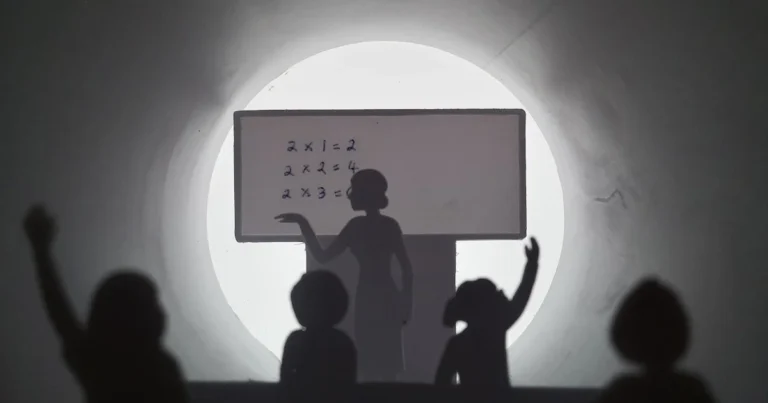
Ah, the lecture! It’s probably the first image that pops into your head when you think of a classroom. For centuries, this method has been the go-to for delivering information. It’s essentially a verbal or written presentation of information by an instructor to a group of learners.
Features & How It Works:
- Instructor-led: The teacher is the primary source of information, standing at the front, delivering content.
- One-way communication (often): Information flows from teacher to student, though modern lectures often incorporate Q&A.
- Structured delivery: Content is typically organized logically, often following a curriculum or textbook.
- Verbal or written: Can involve spoken words, notes on a whiteboard, or presentation slides.
Benefits (The “Pros” ✅):
- Efficient for large groups: You can convey a lot of information to many students simultaneously.
- Structured and clear: Great for introducing foundational knowledge and new concepts quickly, as LearnBrite points out.
- Teacher control: Allows the instructor to maintain a clear narrative and ensure all key points are covered.
- Cost-effective: Requires minimal resources beyond the instructor and a space.
- Good for auditory learners: As the featured YouTube video highlights, this method primarily caters to auditory learners.
Drawbacks (The “Cons” ❌):
- Passive learning: Students can become disengaged, leading to poor retention. Ever seen a sea of glazed-over eyes? We certainly have!
- Limited interaction: Can stifle critical thinking and discussion.
- Doesn’t cater to diverse learning styles: Kinesthetic or visual learners might struggle without supplementary materials.
- Difficulty in assessing immediate understanding: Hard to gauge if students are truly grasping the material in real-time.
Teacher Strategies™ Insight: “I remember my first year teaching high school history,” shares Sarah, one of our veteran educators. “I lectured for 45 minutes straight, thinking I was brilliant. Then I saw the blank stares. I quickly learned that even a lecture needs engagement! Now, I break up my lectures with ‘think-pair-share’ activities, quick polls using tools like Poll Everywhere, or short video clips. It’s about making it an active lecture, not just a monologue.”
Modern Twists & Tools:
- Flipped Classroom: A high-tech twist mentioned by OnlineDegrees.sandiego.edu, where students watch lectures (often pre-recorded videos) at home, and class time is used for discussions, problem-solving, and activities.
- Interactive Presentation Software: Tools like Nearpod or Pear Deck allow you to embed questions, polls, and drawing activities directly into your slides, transforming a static lecture into an interactive experience.
- Micro-lectures: Breaking down long lectures into shorter, focused segments (5-10 minutes) followed by an activity or discussion.
When to Use It:
- Introducing complex new topics.
- Summarizing large amounts of information.
- Providing background context before a deeper dive.
- Delivering information that requires a specific, structured sequence.
2. 🎬 The Demonstration Method: Show, Don’t Just Tell
“Show, don’t just tell!” This age-old adage perfectly encapsulates the demonstration method. It’s all about illustrating how to perform tasks, understand processes, or observe phenomena through visual examples, hands-on activities, and simulations. As LearnBrite aptly puts it, “Demonstrations are an effective way to introduce learners to new topics or concepts.”
Features & How It Works:
- Visual & Experiential: Learners see the process in action, often followed by an opportunity to try it themselves.
- Step-by-step guidance: The instructor typically breaks down a complex task into manageable steps.
- Active observation: Students are encouraged to pay close attention to the procedure and outcomes.
- Practical application: Ideal for teaching skills, safety procedures, or scientific experiments.
Benefits (The “Pros” ✅):
- Enhanced comprehension: Seeing is believing! Visual and kinesthetic learners particularly benefit. The featured YouTube video also emphasizes its effectiveness for kinesthetic learners.
- Skill development: Directly teaches practical skills, from dissecting a frog to coding a simple program.
- Increased engagement: More dynamic than a pure lecture, keeping students’ attention.
- Safety first: Crucial for demonstrating potentially hazardous procedures in a controlled environment.
- Bridging theory and practice: Helps students connect abstract concepts to real-world applications.
Drawbacks (The “Cons” ❌):
- Time-consuming: Can take significant class time, especially if students then practice.
- Resource-intensive: May require specific equipment, materials, or a dedicated space.
- Scalability issues: Difficult to manage with very large groups, as individual attention might be limited.
- Potential for passive observation: If students only watch and don’t get to practice, the learning can still be superficial.
Teacher Strategies™ Insight: Mark, our resident science guru, recounts, “I used to just tell my middle schoolers how photosynthesis works. They’d nod, but their test scores told a different story. Then I started doing a full-blown demonstration with plants, light sources, and even a CO2 indicator. The ‘aha!’ moments were palpable. Now, I always follow up with a hands-on lab where they design their own mini-experiments. It’s messy, but it works!”
Modern Twists & Tools:
- Virtual Labs & Simulations: Platforms like PhET Interactive Simulations (from the University of Colorado Boulder) or Labster offer immersive, risk-free environments for students to conduct experiments and observe phenomena.
- 3D Experiential Learning: LearnBrite highlights the use of no-code platforms for creating gamified, immersive 3D scenarios, allowing students to “experience” complex situations virtually.
- Video Demonstrations: Pre-recorded videos (e.g., on YouTube or created by the teacher) allow students to pause, rewind, and re-watch complex procedures at their own pace. This is great for a flipped classroom model.
When to Use It:
- Teaching a new skill or procedure (e.g., using a microscope, solving a specific math problem).
- Illustrating scientific principles or engineering concepts.
- Introducing complex machinery or software.
- Demonstrating safety protocols.
3. 🤝 Cooperative and Collaborative Learning: Teamwork Makes the Dream Work
This is where students truly shine together! While often used interchangeably, cooperative and collaborative learning have distinct nuances, as LearnBrite points out. Both approaches emphasize group work, but their underlying structures differ slightly.
Cooperative Learning:
- Focus: Individuals work on tasks, relying on their own abilities, but within a group structure that encourages mutual support.
- Structure: Often involves specific roles for group members, individual accountability, and positive interdependence. Each student is responsible for their part, and the group’s success depends on everyone contributing.
- Example: A “jigsaw” activity where each student becomes an expert on one part of a topic and then teaches it to their group.
Collaborative Learning:
- Focus: Group members use their strengths collectively towards a shared goal. The emphasis is on the group’s output and shared understanding.
- Structure: More open-ended, with less defined individual roles. Students brainstorm, discuss, and problem-solve together, often with a shared final product.
- Example: A group project where students collectively research, design, and present a solution to a real-world problem.
Features & How They Work (Shared Aspects):
- Group interaction: Students work in small groups (typically 2-6).
- Shared goals: A common objective that the group aims to achieve.
- Interdependence: Students rely on each other to some extent.
- Communication & Social Skills: Promotes dialogue, negotiation, and conflict resolution. The featured YouTube video highlights how this method “builds social skills” and allows “students learn from each other.”
Benefits (The “Pros” ✅):
- Enhanced problem-solving: Multiple perspectives lead to more robust solutions.
- Deeper understanding: Explaining concepts to peers solidifies one’s own learning.
- Development of social skills: Fosters communication, teamwork, and empathy.
- Increased engagement & motivation: Students are often more invested when working with peers.
- Caters to diverse learners: Students can leverage each other’s strengths and learning styles.
- Builds community: Fosters better relationships between members, as LearnBrite notes.
Drawbacks (The “Cons” ❌):
- “Free-rider” problem: Some students may not contribute equally.
- Conflict resolution: Group dynamics can sometimes lead to disagreements or power imbalances.
- Time-consuming: Requires careful planning and monitoring by the teacher.
- Assessment challenges: Fairly assessing individual contributions within a group can be tricky.
Teacher Strategies™ Insight: “I once had a group project in my 5th-grade class that went sideways,” recalls Maria, an expert in Instructional Coaching. “One student did all the work, and the others just coasted. I learned my lesson! Now, I use clear rubrics for both individual and group contributions, and I assign specific roles within cooperative learning groups using tools like TeamUp or even just index cards. It makes a huge difference in accountability.”
Modern Twists & Tools:
- Online Collaboration Platforms: Tools like Google Workspace (Docs, Slides, Sheets) or Microsoft 365 allow students to collaborate on documents, presentations, and spreadsheets in real-time, regardless of location.
- Project Management Tools: Platforms like Trello or Asana can help groups organize tasks, assign responsibilities, and track progress, especially for larger projects.
- Discussion Forums: Online forums (e.g., within Canvas or Google Classroom) facilitate asynchronous collaborative discussions, allowing all voices to be heard.
When to Use It:
- Complex problem-solving tasks that benefit from multiple perspectives.
- Projects requiring diverse skills and research.
- Developing communication and interpersonal skills.
- Reviewing and reinforcing concepts through peer teaching.
4. 📂 The Case Study Method: Real-World Problem Solving in Action
Ever wanted to put your students in the shoes of a detective, a CEO, or a historical figure? That’s precisely what the case study method does! It involves analyzing real-world (or realistic fictional) situations from multiple perspectives, encouraging critical thinking, problem-solving, and the application of learned concepts. As LearnBrite summarizes, “The case study method encourages collaboration and problem-solving skills by analyzing complex situations.”
Features & How It Works:
- Real-world scenarios: Students are presented with a detailed narrative describing a problem, dilemma, or situation.
- Analysis & Discussion: Students (individually or in groups) analyze the case, identify key issues, and propose solutions.
- Critical thinking: Requires students to evaluate information, consider different viewpoints, and justify their reasoning.
- Application of knowledge: Students apply theoretical knowledge to practical, often ambiguous, situations.
- Decision-making: Often culminates in students making a recommendation or decision based on their analysis.
Benefits (The “Pros” ✅):
- Develops higher-order thinking skills: Encourages analysis, synthesis, and evaluation.
- Connects theory to practice: Makes learning relevant by showing how concepts apply in real life.
- Enhances problem-solving abilities: Students learn to break down complex problems and devise solutions.
- Promotes collaborative decision-making: Often done in groups, fostering discussion and peer feedback.
- Engaging and motivating: Students enjoy tackling realistic challenges.
- Develops empathy: Analyzing situations from different stakeholders’ perspectives.
Drawbacks (The “Cons” ❌):
- Time-consuming: Requires significant time for reading, analysis, discussion, and presentation.
- Requires careful case selection: Cases must be relevant, complex enough to be challenging, but not so overwhelming as to be discouraging.
- Facilitator skill: The teacher needs strong facilitation skills to guide discussions without giving away answers.
- Subjectivity: Solutions can be open to interpretation, which can be frustrating for students seeking a “right” answer.
Teacher Strategies™ Insight: “In my business ethics class, I used a case study about a famous corporate scandal,” shares David, one of our Instructional Coaching specialists. “The students were initially overwhelmed by the amount of information. But once they started digging into the financial reports, the ethical dilemmas, and the public relations fallout, they were hooked! We even had a mock press conference. It was incredible to see them debate the nuances and propose solutions that were far more insightful than anything I could have lectured about.”
Modern Twists & Tools:
- Multimedia Cases: Cases can include video clips, audio interviews, news articles, and data sets to provide a richer, more authentic experience.
- Online Discussion Boards: Students can analyze and discuss cases asynchronously, allowing for deeper reflection and broader participation.
- Virtual Role-Playing: Using platforms like Zoom or Google Meet for virtual “board meetings” or “client consultations” to present and defend case solutions.
- AI-Generated Scenarios: Emerging AI tools can help teachers create customized, dynamic case studies tailored to specific learning objectives.
When to Use It:
- Teaching critical thinking and analytical skills.
- Applying theoretical knowledge to practical problems.
- Developing decision-making and ethical reasoning.
- Fostering collaborative problem-solving in subjects like business, law, medicine, or social sciences.
🌟 Beyond the Basics: Exploring Additional Instructional Strategies
While the four core methods provide a solid foundation, the world of instructional strategies is far richer and more diverse! To truly create dynamic learning environments, as LearnBrite suggests, educators must be adept at weaving in a variety of approaches. At Teacher Strategies™, we encourage you to think beyond the conventional and embrace a broader toolkit. After all, why settle for four when you can have a whole arsenal?
Here are several other powerful instructional strategies that complement and extend the core four, drawing insights from OnlineDegrees.sandiego.edu and Educators Technology:
5. Direct Instruction: The “Sage on the Stage” Refined
Often confused with the lecture, direct instruction is a highly structured, teacher-centered approach focused on clear objectives, explicit teaching, and step-by-step procedures. Educators Technology highlights its effectiveness for “teaching basic skills, facts, and procedures.”
- How it works: The teacher explicitly models a skill or concept, provides guided practice, and then allows for independent practice. Think of teaching phonics, basic math facts, or a specific scientific formula.
- Benefits: Highly efficient for foundational knowledge, clear expectations, and immediate feedback.
- Drawbacks: Can lead to rote memorization if not balanced, and may not foster critical thinking on its own.
- Teacher Strategies™ Tip: Combine direct instruction for core skills with interactive methods for deeper application. For instance, directly teach grammar rules, then have students apply them in a collaborative writing project.
6. Inquiry-Based Learning: The Student as a Detective
This student-centered approach encourages students to ask questions, investigate phenomena, and construct their own understanding. OnlineDegrees.sandiego.edu notes that students often “undertake research projects, often using online resources.”
- How it works: The teacher presents a puzzling question or scenario, and students design experiments, conduct research, and analyze data to find answers.
- Benefits: Develops critical thinking, problem-solving, research skills, and intrinsic motivation.
- Drawbacks: Can be time-consuming, requires significant scaffolding from the teacher, and might feel unstructured for some students.
- Teacher Strategies™ Tip: Start with structured inquiry (teacher provides the question and resources) before moving to open inquiry (students generate their own questions and methods).
7. Problem-Based Learning (PBL): Solving Real-World Puzzles
A close cousin to inquiry-based learning and case studies, PBL centers around students working in groups to solve complex, open-ended, and authentic problems.
- How it works: Students are given a real-world problem (e.g., “How can we reduce plastic waste in our school?”). They identify what they need to learn, research solutions, and present their findings.
- Benefits: Fosters deep learning, collaboration, critical thinking, and real-world relevance.
- Drawbacks: Requires significant teacher preparation, can be challenging to manage group dynamics, and assessment can be complex.
- Teacher Strategies™ Tip: Use a clear rubric for both the process and the final product. Tools like Padlet can help groups brainstorm and organize their research.
8. Project-Based Learning (PBL): Creating and Innovating
Similar to problem-based learning, project-based learning involves students engaging in extended projects to answer a complex question, solve a problem, or create a product. The emphasis is on the creation of a tangible outcome.
- How it works: Students work on a project over an extended period, culminating in a public presentation or exhibition of their work. This could be building a model, designing an app, or creating a documentary.
- Benefits: Promotes creativity, critical thinking, collaboration, and presentation skills. Highly engaging.
- Drawbacks: Resource-intensive, requires careful planning, and can be difficult to manage multiple projects simultaneously.
- Teacher Strategies™ Tip: Integrate technology tools like Canva for design, WeVideo for video editing, or Scratch for coding projects to enhance student output.
9. Flipped Classroom: Homework in Reverse
As mentioned by OnlineDegrees.sandiego.edu, the flipped classroom is a high-tech method where students consume instructional content (lectures, readings) at home, and class time is dedicated to active learning, discussions, and problem-solving.
- How it works: Teachers provide videos or readings for students to review before class. Class time is then used for collaborative activities, deeper dives, and individualized support.
- Benefits: Maximizes valuable class time for interaction, allows students to learn at their own pace, and provides opportunities for Differentiated Instruction.
- Drawbacks: Relies on students completing pre-work, requires access to technology at home, and can be a significant upfront time investment for teachers.
- Teacher Strategies™ Tip: Keep pre-recorded videos short and focused. Use platforms like Edpuzzle to embed questions and check for understanding within the videos.
10. Differentiated Instruction: Tailoring Learning to Every Student
This approach, highlighted by OnlineDegrees.sandiego.edu, involves tailoring teaching to individual learning styles, needs, and abilities. It’s not a single method but an overarching philosophy that informs how you use all methods.
- How it works: Teachers adjust content (what students learn), process (how students learn), product (how students demonstrate learning), and learning environment based on student readiness, interest, and learning profile. This includes accommodating IEPs for special needs.
- Benefits: Ensures all students are challenged appropriately, increases engagement, and promotes equity.
- Drawbacks: Can be complex and time-consuming to plan, requires deep knowledge of individual students.
- Teacher Strategies™ Tip: Start small! Differentiate one aspect (e.g., provide choice in how students demonstrate understanding) before tackling more complex differentiation strategies. Our category on Differentiated Instruction offers a wealth of resources.
11. Experiential Learning: Learning by Doing
Educators Technology defines experiential learning as active engagement through real-world experiences, where learning occurs via reflection on hands-on activities. This is where the classroom extends into the world!
- How it works: Students participate in activities like field trips, internships, service projects, or simulations, and then reflect on their experiences to extract meaning and learning.
- Benefits: Develops critical thinking, problem-solving, and real-world skills. Highly memorable and impactful.
- Drawbacks: Resource and time intensive, requires careful planning and safety considerations.
- Teacher Strategies™ Tip: Even a simple classroom simulation or role-play can provide valuable experiential learning if followed by thoughtful reflection.
12. Independent Study: Cultivating Self-Directed Learners
This student-centered approach, championed by Educators Technology, focuses on personal responsibility, research, and individualized learning.
- How it works: Students pursue a topic of interest, often with a learning contract or mentorship, at their own pace. This can include self-paced modules, research projects, or online courses.
- Benefits: Develops self-discipline, research skills, time management, and fosters a love for lifelong learning. Ideal for highly motivated students.
- Drawbacks: Requires high self-motivation, strong organizational skills, and consistent teacher support. Not suitable for all learners.
- Teacher Strategies™ Tip: Provide clear guidelines, regular check-ins, and access to resources. Consider using platforms like Khan Academy or Coursera for self-paced learning modules.
This expanded list shows that effective teaching is rarely about using just one method. It’s about strategically combining these approaches to create a rich, dynamic, and responsive learning environment.
🧰 Tools and Technologies Enhancing Instructional Methods Today
In the blink of an eye, technology has transformed the classroom from chalkboards to interactive whiteboards, from textbooks to tablets. At Teacher Strategies™, we’ve witnessed firsthand how digital tools can supercharge traditional instructional methods and unlock entirely new pedagogical possibilities. It’s not just about being “high-tech” versus “low-tech,” as OnlineDegrees.sandiego.edu categorizes, but about leveraging the right tools to amplify learning.
Let’s explore some game-changing technologies and how they enhance our instructional methods:
1. Interactive Presentation & Engagement Platforms
Gone are the days of static PowerPoint slides! These tools turn passive viewing into active participation.
- Nearpod & Pear Deck: These platforms integrate seamlessly with Google Slides or PowerPoint, allowing teachers to embed polls, quizzes, drawing activities, and open-ended questions directly into their presentations. This transforms a lecture into an interactive experience, providing instant feedback and keeping students engaged.
- 👉 CHECK PRICE on:
- Nearpod: Nearpod Official Website
- Pear Deck: Pear Deck Official Website
- 👉 CHECK PRICE on:
- Poll Everywhere: For quick, anonymous feedback during a lecture or discussion, Poll Everywhere allows students to respond to questions via their phones or computers, displaying results in real-time. Great for gauging understanding or sparking debate.
- 👉 CHECK PRICE on: Poll Everywhere Official Website
2. Collaborative Learning & Project Management Tools
These tools make group work smoother, more organized, and often more equitable.
- Google Workspace (Docs, Slides, Sheets): The undisputed champion of real-time collaboration. Students can co-create documents, presentations, and spreadsheets simultaneously, fostering true collaborative learning.
- 👉 Shop Google Workspace on: Google Workspace Official Website
- Microsoft 365 (Word, PowerPoint, Excel): Microsoft’s suite offers similar robust collaborative features, especially popular in schools already using Microsoft ecosystems.
- 👉 Shop Microsoft 365 on: Microsoft 365 Official Website
- Trello & Asana: For larger, more complex group projects, these project management tools help students organize tasks, assign responsibilities, set deadlines, and track progress. They teach valuable organizational skills.
- 👉 CHECK PRICE on:
- Trello: Trello Official Website
- Asana: Asana Official Website
- 👉 CHECK PRICE on:
- Padlet: A digital bulletin board where students can post ideas, links, images, and videos collaboratively. Excellent for brainstorming, collecting resources, or showcasing group work.
- 👉 CHECK PRICE on: Padlet Official Website
3. Virtual Labs & Simulations
For hands-on learning without the mess, danger, or expense, simulations are a game-changer.
- PhET Interactive Simulations: From the University of Colorado Boulder, PhET offers free, fun, interactive simulations for science and math. Perfect for the demonstration method and inquiry-based learning.
- 👉 CHECK PRICE on: PhET Interactive Simulations Official Website
- Labster: Provides immersive virtual lab experiences, allowing students to conduct complex experiments in biology, chemistry, and physics without needing a physical lab.
- 👉 CHECK PRICE on: Labster Official Website
- LearnBrite’s 3D Experiential Learning: As highlighted by LearnBrite, no-code platforms are emerging to create gamified, immersive 3D scenarios. Imagine students exploring ancient Rome or dissecting a virtual heart!
- 👉 CHECK PRICE on: LearnBrite Official Website
4. Gamification & Game-Based Learning
Making learning feel like play can significantly boost engagement and motivation.
- Classcraft: Mentioned by OnlineDegrees.sandiego.edu, Classcraft turns your classroom into a role-playing game. Students earn points, level up, and gain powers based on their academic performance and behavior.
- 👉 CHECK PRICE on: Classcraft Official Website
- Kahoot! & Quizizz: These platforms turn quizzes into competitive, fun games, perfect for formative assessment and review.
- 👉 CHECK PRICE on:
- Kahoot!: Kahoot! Official Website
- Quizizz: Quizizz Official Website
- 👉 CHECK PRICE on:
5. Learning Management Systems (LMS)
The backbone of modern digital classrooms, LMS platforms organize content, assignments, and communication.
- Canvas, Google Classroom, Schoology: These platforms facilitate content delivery, assignment submission, discussion forums, and grade tracking, supporting almost all instructional methods.
- 👉 Shop Learning Management Systems on:
- Canvas: Canvas Official Website
- Google Classroom: Google Classroom Official Website
- Schoology: Schoology Official Website
- 👉 Shop Learning Management Systems on:
6. Video Creation & Editing Tools
Essential for flipped classrooms, student presentations, and creating engaging demonstrations.
- Edpuzzle: Allows teachers to embed questions, notes, and audio into any video (YouTube, Khan Academy, or their own), making video content interactive and accountable.
- 👉 CHECK PRICE on: Edpuzzle Official Website
- WeVideo & Screencastify: User-friendly video editors and screen recorders that empower both teachers and students to create professional-looking video content.
- 👉 CHECK PRICE on:
- WeVideo: WeVideo Official Website
- Screencastify: Screencastify Official Website
- 👉 CHECK PRICE on:
The key isn’t to use all the tools, but to strategically select those that best serve your learning objectives and enhance the chosen instructional method. Technology, when used thoughtfully, can transform a good lesson into an unforgettable learning experience.
🧠 How to Choose the Right Instructional Method for Your Classroom
Choosing the “right” instructional method isn’t about finding a magic bullet; it’s about being a strategic maestro, orchestrating a symphony of learning experiences. At Teacher Strategies™, we often get asked, “Which method is best?” Our answer is always: “It depends!” The art of teaching lies in making informed decisions tailored to your unique classroom context.
Here’s a framework we use to guide our choices, balancing perspectives and confidently recommending a flexible approach:
1. Define Your Learning Objectives (The “What”)
Before you even think about how you’ll teach, clarify what you want students to learn or be able to do.
- Knowledge Acquisition (Facts, Concepts): If the goal is to transmit a large amount of foundational information quickly, a well-structured lecture method (perhaps a flipped classroom model) might be efficient.
- Skill Development (Procedures, Techniques): For practical skills, the demonstration method followed by guided practice is often superior. Think about teaching lab safety or a specific math algorithm.
- Critical Thinking & Problem-Solving: When you want students to analyze, evaluate, and synthesize, case studies, problem-based learning, or inquiry-based learning are excellent choices.
- Collaboration & Communication: To foster teamwork and interpersonal skills, cooperative and collaborative learning strategies are paramount.
- Creativity & Innovation: Project-based learning allows students to create and innovate, showcasing their understanding in unique ways.
2. Consider Your Students (The “Who”)
Your learners are at the heart of every decision. What works for one group might fall flat with another.
- Age & Developmental Stage: Younger learners in Early Childhood Education thrive on hands-on, experiential learning, while older students might be more prepared for independent study or complex case analyses.
- Prior Knowledge & Experience: If students have little background, direct instruction or a clear lecture might be necessary before diving into inquiry. If they have a strong foundation, challenge them with more open-ended methods.
- Learning Styles & Preferences: Remember the visual, auditory, kinesthetic, and experiential learners? A diverse range of methods (a core tenet of Differentiated Instruction) ensures you reach everyone. As OnlineDegrees.sandiego.edu emphasizes, Universal Design for Learning (UDL) promotes teaching to diverse learners.
- Motivation & Engagement Levels: If students are disengaged, interactive, game-based, or experiential methods can re-ignite their interest. For highly motivated students, independent study can be incredibly rewarding.
3. Evaluate Available Resources (The “How Much”)
Practical constraints always play a role.
- Time: Some methods (like extensive project-based learning or in-depth case studies) are time-intensive. If you have limited time, you might need more efficient methods.
- Space & Materials: A demonstration might require a lab, specific equipment, or a large open space. Collaborative activities need flexible seating arrangements.
- Technology Access: Flipped classrooms, virtual labs, and gamified learning rely on reliable internet and devices. Consider both classroom and home access.
- Teacher Expertise: Be honest about your comfort level with different methods. It’s okay to start small and gradually build your repertoire, perhaps with support from Instructional Coaching.
4. Reflect on Your Teaching Philosophy (The “Why”)
Are you a “sage on the stage” or a “guide on the side”? Your fundamental beliefs about teaching and learning will naturally steer your choices.
- Teacher-Centered vs. Student-Centered: OnlineDegrees.sandiego.edu categorizes methods along this spectrum. Do you believe in direct transmission of knowledge, or in facilitating student discovery? Most effective teachers blend both.
- Emphasis on Rote Learning vs. Critical Thinking: If you prioritize deep understanding and application, you’ll lean towards methods that encourage active processing rather than just memorization.
5. Blend and Balance: The Power of Eclecticism
The most effective classrooms rarely stick to just one method.
- Mix it up! Start with a short lecture to introduce a concept, follow with a demonstration, then break into cooperative groups for a case study, and conclude with an independent reflection.
- Cycle through methods: Don’t be afraid to use different methods for different units, or even within the same lesson. This keeps things fresh and caters to a wider range of learning preferences.
- Be flexible: If a method isn’t working, don’t be afraid to pivot. Observe your students, gather feedback, and adjust your approach.
Teacher Strategies™ Anecdote: “I once tried to implement a full-blown problem-based learning unit with a class that was struggling with basic research skills,” recalls Emily, a curriculum specialist. “It was a disaster! They were overwhelmed. I had to pull back, do some direct instruction on research techniques, then a guided inquiry project, before we could tackle the PBL. It taught me that you have to meet students where they are, and sometimes that means building foundational skills with more structured methods first.”
Ultimately, choosing the right instructional method is an ongoing process of observation, reflection, and adaptation. It’s about being responsive to your students and your content, always striving to create the most impactful learning experience possible.
📈 Measuring the Effectiveness of Different Instructional Techniques
So, you’ve carefully selected your instructional methods, you’ve delivered engaging lessons, and your classroom is buzzing with activity. But how do you really know if your chosen techniques are hitting the mark? At Teacher Strategies™, we believe that effective teaching is inextricably linked to effective assessment. Without measuring impact, even the most innovative method can be a shot in the dark.
Measuring effectiveness isn’t just about grades; it’s about understanding if students are truly learning, retaining, and applying knowledge. Here’s how we approach it:
1. Align Assessment with Objectives
This is the golden rule! If your objective is for students to analyze a case study, don’t just give them a multiple-choice quiz on facts. If you want them to demonstrate a skill, observe them performing it.
- For Lecture Method:
- Formative: Quick polls (e.g., using Poll Everywhere), “exit tickets” asking for the main takeaway, short quizzes on key concepts.
- Summative: Traditional tests, essays, or concept mapping exercises that require students to synthesize information.
- For Demonstration Method:
- Formative: Observation checklists during practice, peer feedback, short reflections on the process.
- Summative: Performance-based assessments where students independently perform the skill, lab reports, or project presentations.
- For Cooperative/Collaborative Learning:
- Formative: Group observation rubrics (assessing participation, communication), peer evaluations, self-assessment of contributions.
- Summative: Group presentations, shared projects, individual reflections on group process and learning.
- For Case Study Method:
- Formative: Discussion rubrics, short written analyses of specific case elements, brainstorming sessions.
- Summative: Written case analyses, oral presentations defending solutions, debates, or role-playing scenarios.
2. Utilize Both Formative and Summative Assessments
- Formative Assessments: These are ongoing checks for understanding during the learning process. They provide immediate feedback to both you and your students, allowing for adjustments. Think of them as your classroom’s GPS, constantly telling you if you’re on track.
- Examples: Thumbs up/down, quick writes, think-pair-share, Kahoot! quizzes, informal observations.
- Summative Assessments: These evaluate learning after a unit or period of instruction. They measure overall achievement.
- Examples: Unit tests, final projects, essays, standardized exams.
3. Gather Student Feedback
Don’t underestimate the power of asking your students directly! They often have invaluable insights into what works and what doesn’t.
- Surveys: Anonymous surveys (e.g., using Google Forms) asking about engagement, clarity, and perceived learning from different activities.
- Informal Conversations: Chatting with students during independent work or after class can reveal a lot.
- Learning Journals/Reflections: Students can write about their learning process, what they found challenging, and what methods helped them most.
4. Observe Student Engagement and Behavior
While not a direct measure of learning, engagement is a strong indicator of an effective instructional method.
- Active Participation: Are students asking questions, contributing to discussions, and actively working on tasks?
- On-Task Behavior: Are students focused on the learning activity, or are they distracted? (This ties into Classroom Management).
- Enthusiasm: Do students seem genuinely interested and excited about the learning?
- Persistence: Are students willing to grapple with challenging tasks, or do they give up easily?
5. Data Analysis and Reflection
After collecting data, take time to analyze it and reflect on what it tells you.
- Look for patterns: Are certain methods consistently leading to higher achievement or engagement? Are there specific types of learners who thrive with particular approaches?
- Compare results: If you tried two different methods for similar content, how did the outcomes compare?
- Identify areas for improvement: Where did students struggle? Was it the content, the method, or the assessment?
- Collaborate with peers: Discuss your findings with colleagues or an Instructional Coaching specialist. Fresh perspectives can be incredibly helpful.
Teacher Strategies™ Anecdote: “I was convinced my new project-based learning unit was a huge success,” says Robert, a high school English teacher. “The presentations were fantastic! But then, when I looked at the individual writing samples, I realized some students hadn’t grasped the core analytical skills I intended. The group work had masked individual gaps. Now, I always include a robust individual assessment alongside the group project, and I use a rubric that specifically targets those individual learning objectives. It was a tough lesson, but it made my assessment techniques much stronger.”
Measuring effectiveness is an ongoing cycle of planning, implementing, assessing, and refining. It’s how we ensure that our instructional methods aren’t just engaging, but genuinely impactful.
💡 Tips and Tricks for Implementing Instructional Methods Successfully
Alright, educators, you’ve got the knowledge, you’ve got the tools, and you understand how to measure success. Now, let’s talk about the secret sauce: the practical tips and tricks that transform good intentions into great classroom realities! At Teacher Strategies™, we’ve learned these lessons through years of trial, error, and triumphant “aha!” moments.
1. Start Small, Dream Big 🚀
Don’t try to overhaul your entire teaching style overnight. Pick one new method you want to try, or one twist on an existing method, and focus on mastering it.
- ✅ Start with a mini-lesson: Instead of a full PBL unit, try a 20-minute problem-solving activity.
- ❌ Don’t ditch everything you know: Integrate new ideas gradually into your established routines.
2. Be Transparent with Your Students 🗣️
Explain why you’re using a particular method. When students understand the purpose behind an activity, they’re more likely to buy in.
- “Today, we’re going to try a case study because it will help you think like a real scientist and solve complex problems.”
- “We’re doing group work because research shows that students learn best when they teach each other.” (Just like the featured YouTube video mentions, “Students learn from each other” and it “Builds social skills.”)
3. Model, Model, Model! 🚶 ♀️
Especially for student-centered methods, don’t assume students know how to collaborate, research, or present effectively.
- ✅ Demonstrate expectations: Show them what a good group discussion looks like. Provide sentence starters for academic discourse.
- ❌ Don’t just assign and expect: Guide them through the process, step-by-step, especially for complex tasks.
4. Embrace the Mess (and Learn from It!) 🎨
New methods, especially those involving active learning, can be a bit chaotic at first. That’s okay!
- ✅ Anticipate challenges: Think about potential pitfalls (e.g., group dynamics, tech issues) and have backup plans.
- ❌ Don’t give up after one try: Reflect on what went wrong, tweak your approach, and try again. Resilience is key!
5. Leverage Technology Thoughtfully 💻
Technology should enhance learning, not just be a distraction.
- ✅ Choose tools with purpose: Ask yourself: “Does this tech genuinely improve the learning experience or just add bells and whistles?”
- ❌ Avoid tech for tech’s sake: A simple whiteboard discussion can sometimes be more effective than a complex digital tool.
6. Build a Strong Classroom Culture 🤝
Many effective instructional methods, especially collaborative ones, rely on trust, respect, and clear expectations for behavior. This is where strong Classroom Management comes into play.
- ✅ Establish clear norms: How do we listen to each other? How do we respectfully disagree?
- ❌ Don’t ignore group dynamics: Intervene early if you see issues like “free riders” or dominant personalities.
7. Provide Clear Instructions and Rubrics 📝
Ambiguity is the enemy of effective implementation.
- ✅ Break down complex tasks: Use checklists or graphic organizers.
- ✅ Provide clear rubrics: Students need to know exactly how they will be assessed, both individually and as a group.
8. Facilitate, Don’t Dominate 🧘 ♀️
Especially in student-centered methods, your role shifts from information-giver to guide.
- ✅ Ask probing questions: “What makes you say that?” “Can you elaborate?” “What evidence supports your claim?”
- ❌ Resist the urge to give answers: Let students grapple with the material and discover solutions.
9. Reflect and Refine Constantly 🤔
The best teachers are lifelong learners.
- ✅ Keep a teaching journal: Note what worked, what didn’t, and why.
- ✅ Seek feedback: Ask students, colleagues, or an Instructional Coaching specialist for their observations.
- ✅ Stay curious: Keep exploring new methods and adapting your practice.
Teacher Strategies™ Anecdote: “I used to dread group projects because they always felt chaotic,” admits Jessica, a middle school math teacher. “Then, a colleague suggested I try assigning specific roles within each group – a ‘facilitator,’ a ‘recorder,’ a ‘timekeeper,’ and a ‘reporter.’ It was a game-changer! Suddenly, everyone had a job, and the discussions were so much more productive. It was a simple trick, but it completely transformed my collaborative learning activities.”
Implementing instructional methods successfully is an ongoing journey of learning and growth. By applying these tips and tricks, you’ll not only enhance your teaching but also create a more engaging, effective, and joyful learning environment for your students.
🎯 Conclusion: Mastering Instructional Methods for Maximum Impact

Phew! What a journey through the rich, dynamic world of instructional methods. From the time-tested lecture method to the immersive case study approach, and from the power of collaborative learning to the magic of demonstrations, we’ve unpacked the core strategies that shape effective teaching. But as we’ve seen, the story doesn’t end with just four methods—there’s a whole arsenal of approaches waiting to be tailored to your unique classroom.
At Teacher Strategies™, our experience tells us that the secret to success is flexibility and intentionality. No single method reigns supreme; rather, the best educators are those who skillfully blend multiple approaches, adapt to their students’ needs, and leverage technology thoughtfully to enhance learning.
Remember the question we teased earlier: How do you choose the right method? The answer lies in understanding your learning objectives, knowing your students, assessing your resources, and reflecting on your teaching philosophy. Combine that with ongoing measurement of effectiveness and a willingness to refine your practice, and you’re well on your way to creating a vibrant, engaging, and inclusive classroom.
So, whether you’re delivering a crisp lecture, guiding a hands-on demonstration, facilitating a spirited group project, or challenging students with a real-world case study, know that you’re wielding powerful tools that can transform lives. Embrace the messiness, celebrate the successes, and keep evolving—because great teaching is a lifelong adventure.
Ready to dive deeper? Check out our recommended resources below to equip yourself with the best tools and insights for 2026 and beyond!
🔗 Recommended Links for Further Exploration
Elevate your instructional methods with these trusted tools and resources. Whether you’re looking for interactive platforms, collaborative software, or insightful reads, we’ve got you covered!
- Nearpod: Nearpod Official Website | Amazon Search: Nearpod
- Pear Deck: Pear Deck Official Website | Amazon Search: Pear Deck
- Poll Everywhere: Poll Everywhere Official Website
- Google Workspace: Google Workspace Official Website
- Microsoft 365: Microsoft 365 Official Website
- Trello: Trello Official Website
- Asana: Asana Official Website
- Padlet: Padlet Official Website
- PhET Interactive Simulations: PhET Official Website
- Labster: Labster Official Website
- LearnBrite: LearnBrite Official Website
- Classcraft: Classcraft Official Website
- Kahoot!: Kahoot! Official Website
- Quizizz: Quizizz Official Website
- Canvas LMS: Canvas Official Website
- Google Classroom: Google Classroom Official Website
- Schoology: Schoology Official Website
- Edpuzzle: Edpuzzle Official Website
- WeVideo: WeVideo Official Website
- Screencastify: Screencastify Official Website
Recommended Books on Instructional Methods and Teaching Strategies
- “Teach Like a Champion 3.0” by Doug Lemov — A practical guide packed with actionable teaching techniques.
- “The Skillful Teacher” by Stephen D. Brookfield — A comprehensive resource on reflective teaching practices.
- “How Learning Works: Seven Research-Based Principles for Smart Teaching” by Susan A. Ambrose et al. — Grounded in cognitive science, this book offers deep insights into effective teaching.
- “Classroom Instruction That Works” by Robert J. Marzano et al. — Evidence-based strategies to improve student achievement.
Find these on Amazon:
Amazon Books Search: Instructional Methods Teaching Strategies
❓ FAQs About the Four Types of Instructional Methods

How do instructional methods impact student engagement and success?
Instructional methods directly shape how students interact with content and each other. Engaging methods like collaborative learning and case studies promote active participation, critical thinking, and deeper understanding, leading to higher success rates. Conversely, passive methods like traditional lectures may limit engagement unless enhanced with interactive elements. The key is matching methods to student needs and learning objectives to maximize motivation and achievement.
What are examples of active learning instructional methods?
Active learning involves students actively participating rather than passively receiving information. Examples include:
- Cooperative and collaborative learning (group projects, peer teaching)
- Problem-based and project-based learning
- Case studies and simulations
- Inquiry-based learning and experiments
- Interactive discussions and debates
- Flipped classrooms with hands-on activities during class
These methods foster critical thinking, communication, and real-world application.
How can teachers choose the best instructional method for their students?
Teachers should consider:
- Learning objectives: What skills or knowledge do students need?
- Student characteristics: Age, prior knowledge, learning styles, motivation
- Resources: Time, technology, materials available
- Teaching philosophy: Balance between teacher-centered and student-centered approaches
Reflection, experimentation, and feedback help refine choices over time.
What are the benefits of different instructional methods in the classroom?
Each method offers unique advantages:
- Lecture: Efficient for delivering foundational knowledge
- Demonstration: Ideal for teaching practical skills
- Cooperative/Collaborative Learning: Builds teamwork and social skills
- Case Study: Develops critical thinking and real-world problem-solving
- Inquiry and Project-Based Learning: Encourages exploration and creativity
- Independent Study: Fosters self-directed learning and responsibility
A balanced mix addresses diverse learner needs and goals.
What role does technology play in enhancing instructional methods and strategies for success in the classroom?
Technology amplifies instructional methods by:
- Making lectures interactive (Nearpod, Pear Deck)
- Facilitating collaboration (Google Workspace, Trello)
- Providing virtual labs and simulations (PhET, Labster)
- Enabling gamification (Classcraft, Kahoot!)
- Supporting flipped classrooms and self-paced learning (Edpuzzle)
It increases accessibility, engagement, and personalized learning opportunities when used thoughtfully.
What are the most effective instructional methods for diverse learners in the classroom?
Diverse learners benefit from differentiated instruction that adapts content, process, and product to individual needs. Methods like cooperative learning, project-based learning, and experiential learning provide multiple entry points and modalities. Universal Design for Learning (UDL) principles recommend offering varied ways to engage, represent, and express knowledge, ensuring inclusivity.
What are the four methods of giving instructions?
The four common methods include:
- Verbal Instructions: Spoken directions or explanations
- Written Instructions: Textual guidelines, manuals, or handouts
- Demonstrations: Showing how to perform a task
- Visual Aids: Diagrams, charts, videos to support understanding
Combining these methods caters to different learning preferences and enhances clarity.
How many instructional methods are there?
There is no fixed number. Instructional methods range from traditional lectures and demonstrations to modern approaches like flipped classrooms, gamification, inquiry-based learning, and more. Educators often blend multiple methods to suit their context and objectives.
What are the four basic methods of teaching?
Traditionally, the four basic methods are:
- Lecture Method
- Demonstration Method
- Cooperative/Collaborative Learning
- Case Study Method
These form the foundation but are complemented by many other strategies.
What are the most effective instructional methods for classroom success?
Effectiveness depends on context, but methods that actively engage students, promote critical thinking, and cater to diverse learning styles tend to be most successful. These include cooperative learning, project-based learning, inquiry-based learning, and well-designed demonstrations combined with clear direct instruction.
How do different instructional methods impact student learning outcomes?
Methods that encourage active participation and higher-order thinking generally lead to deeper understanding and better retention. Passive methods may be efficient for knowledge transmission but often result in lower engagement and superficial learning. Combining methods and aligning them with objectives optimizes outcomes.
📚 Reference Links and Credible Sources
- LearnBrite. What Are the Four (4) Types of Instructional Methods? https://learnbrite.com/what-are-the-four-4-types-of-instructional-methods/
- OnlineDegrees.sandiego.edu. The Complete List of Teaching Methods. https://onlinedegrees.sandiego.edu/complete-list-teaching-methods/
- Educators Technology. 4 Highly Effective Instructional Strategies for Teachers. https://www.educatorstechnology.com/2023/05/4-ke-instructional-strategies-for-teachers.html
- University of Colorado Boulder. PhET Interactive Simulations. https://phet.colorado.edu/
- Nearpod Official Website. https://nearpod.com/
- Pear Deck Official Website. https://www.peardeck.com/
- Classcraft Official Website. https://www.classcraft.com/
- Google Workspace. https://workspace.google.com/
- Microsoft 365. https://www.microsoft.com/en-us/microsoft-365
- Labster Official Website. https://www.labster.com/
- Edpuzzle Official Website. https://edpuzzle.com/
- Kahoot! Official Website. https://kahoot.com/
- Quizizz Official Website. https://quizizz.com/
- Google Classroom. https://classroom.google.com/
- Canvas LMS. https://www.instructure.com/canvas
- Schoology. https://www.schoology.com/
For more expert insights and practical strategies, visit Teacher Strategies™ Instructional Coaching and Differentiated Instruction.
Thanks for joining us on this deep dive into instructional methods! Ready to transform your teaching? Let’s make 2026 your most impactful year yet! 🌟