Support our educational content for free when you buy through links on our site. Learn more
How Can I Create a Lesson Plan That Engages All Students? 🎯 (2026)

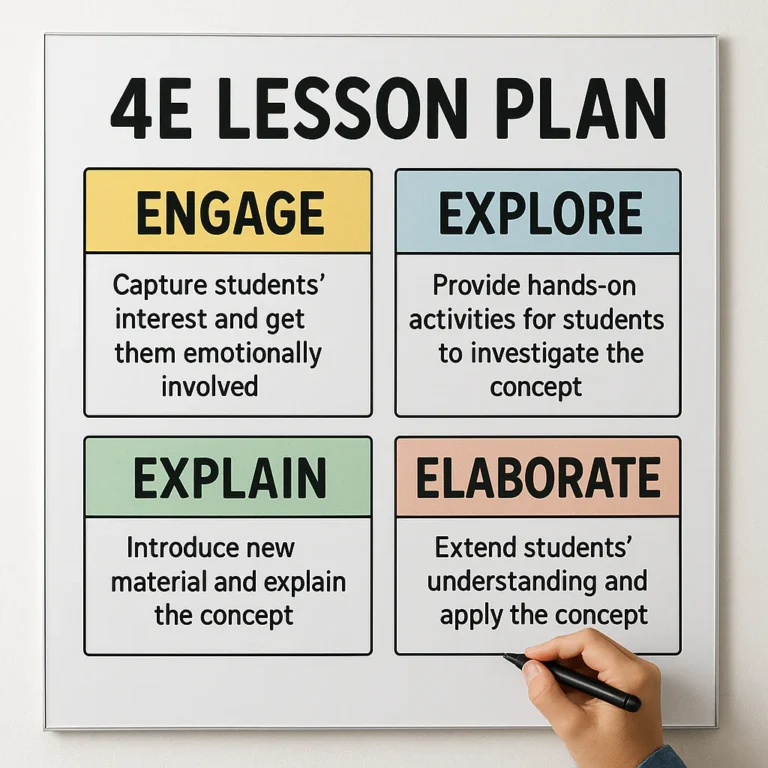
Imagine walking into your classroom and seeing every student’s eyes light up, their hands shooting up with questions, and their energy buzzing with curiosity. Sounds like a dream, right? But what if we told you that crafting a lesson plan that actually engages all students isn’t just wishful thinking — it’s a skill you can master? In this guide, we’ll unpack 10 proven strategies that transform dull, one-size-fits-all lessons into dynamic, inclusive learning adventures that captivate every learner.
Did you know that students retain up to 75% more information when actively engaged? Yet, many lesson plans still miss the mark by ignoring student diversity, interests, and learning styles. Stick around as we reveal how to tailor your lessons with creativity, technology, and cultural responsiveness — plus insider tips from experienced educators at Teacher Strategies™. Ready to turn your lesson plans into unforgettable experiences? Let’s dive in!
Key Takeaways
- Know your students deeply to tailor lessons that resonate with their interests and learning styles.
- Set clear, motivating objectives that guide and inspire student effort.
- Use active learning and interactive strategies like Think-Pair-Share, gamification, and project-based learning.
- Incorporate technology thoughtfully to diversify instruction and boost engagement.
- Build a positive, inclusive classroom environment that values every voice and background.
- Design flexible lesson plans that adapt to student needs and spontaneous teachable moments.
- Use formative assessments to keep students involved and inform your teaching.
- Embrace culturally responsive teaching to connect learning to students’ real lives and identities.
- Add real-world connections and fun elements to spark curiosity and motivation.
- Prioritize your own mindset and self-care as the foundation for engaging teaching.
Ready to transform your classroom? Keep reading for detailed strategies, practical tools, and expert insights that will make your lesson plans shine in 2026 and beyond!
Table of Contents
- ⚡️ Quick Tips and Facts for Engaging Lesson Plans
- 📚 The Evolution of Lesson Planning: From Boring to Brilliant
- 🎯 Understanding Student Engagement: What Really Works?
- 🧩 1. Know Your Students: Differentiation and Learning Styles
- 🛠️ 2. Setting Clear, Achievable Objectives That Motivate
- 🎨 3. Creative and Interactive Teaching Strategies to Hook Everyone
- 📊 4. Incorporating Technology and Multimedia for Dynamic Lessons
- 🤝 5. Building a Positive Classroom Environment to Boost Participation
- 🔄 6. Flexible Lesson Plans: Adapting on the Fly for Maximum Impact
- 📝 7. Assessment Techniques That Keep Students Engaged and Informed
- 🌍 8. Culturally Responsive Lesson Planning: Embracing Diversity
- 💡 9. Incorporating Real-World Connections to Spark Curiosity
- 🕹️ 10. Gamification and Fun: Turning Lessons into Adventures
- 📅 Planning Tools and Resources: From Templates to Tech
- 🔍 Troubleshooting Engagement: What to Do When Students Zone Out
- 📈 Measuring Success: How to Know Your Lesson Plan is Working
- 🧠 Teacher Mindset and Self-Care: The Secret Sauce to Engaging Lessons
- 🎉 Conclusion: Crafting Lesson Plans That Truly Engage Every Student
- 🔗 Recommended Links for Lesson Planning Excellence
- ❓ FAQ: Your Burning Questions About Engaging Lesson Plans Answered
- 📚 Reference Links and Further Reading
⚡️ Quick Tips and Facts for Engaging Lesson Plans
Welcome to the ultimate guide on how to create a lesson plan that engages all students! Whether you’re a newbie teacher or a seasoned pro, we at Teacher Strategies™ know that crafting lessons that everyone loves can feel like juggling flaming torches while riding a unicycle. 🎪 But don’t worry — we’ve got your back with some quick, actionable tips and fascinating facts to get you started on the right foot.
Quick Tips to Engage Every Learner ✅
- Know your students inside and out: interests, learning styles, cultural backgrounds, and prior knowledge.
- Set clear, achievable objectives that students understand and find motivating.
- Mix up your teaching methods: discussions, hands-on activities, multimedia, and tech tools.
- Create a safe, inclusive classroom environment where every voice matters.
- Use formative assessments to check understanding and adapt lessons on the fly.
- Incorporate culturally relevant materials to connect learning to students’ lives.
- Make lessons flexible to allow for student choice and creativity.
- Add a sprinkle of fun with gamification or real-world problem-solving.
Fascinating Facts to Keep You Inspired 📊
| Fact | Source | Why It Matters |
|---|---|---|
| Students retain 75% more information when actively engaged in learning activities. | Edutopia | Active learning = better retention! |
| Differentiated instruction improves student achievement by up to 30%. | ASCD | Tailoring lessons pays off big time. |
| Culturally responsive teaching increases student attendance and participation. | Purdue University | Relevance = engagement. |
Feeling pumped? Great! But before we dive into the nitty-gritty, let’s take a quick stroll down memory lane to see how lesson planning has evolved over time.
📚 The Evolution of Lesson Planning: From Boring to Brilliant
Once upon a time, lesson plans were rigid, teacher-centered scripts: “Stand here, say this, repeat.” Yawn! 😴 Fast forward to today, and lesson plans are living documents — flexible, student-centered, and designed to spark curiosity and creativity.
The Old-School Approach
- Teacher as the sole knowledge dispenser.
- One-size-fits-all lessons.
- Heavy reliance on lectures and worksheets.
The New Wave: Learner-Centered Planning
- Focus on student agency and choice.
- Incorporation of active learning strategies.
- Use of technology and multimedia to diversify learning.
- Emphasis on cultural relevance and inclusivity.
As Katie Martin puts it in her insightful article on rethinking lesson plans, “A lesson plan should be a living document, adaptable to the needs and interests of students.” (source).
Why Does This Matter?
Because engagement isn’t just about keeping kids busy — it’s about making learning meaningful and accessible for every single student. And that means understanding the why and how behind your lesson plan, not just the what.
🎯 Understanding Student Engagement: What Really Works?
Before we jump into the “how,” let’s unpack the “what.” What does it really mean to engage students?
Engagement is More Than Attention
- Behavioral engagement: Participation in class activities.
- Emotional engagement: Feeling interested, valued, and connected.
- Cognitive engagement: Investing effort in understanding and mastering content.
True engagement happens when all three align. So, how do you design lessons that hit these marks?
The Science Behind Engagement
Research shows that students are most engaged when lessons are:
- Relevant: Connected to their lives and interests.
- Challenging but achievable: Tasks that stretch skills without causing frustration.
- Interactive: Opportunities to collaborate and discuss.
- Varied: Mixing up activities to cater to different learning styles.
The Engagement Equation
Engagement = Relevance + Challenge + Interaction + Variety
Keep this formula in your back pocket as we explore strategies to make your lesson plans irresistible.
🧩 1. Know Your Students: Differentiation and Learning Styles
The cornerstone of an engaging lesson plan is knowing who you’re teaching. This means going beyond names and grades to understand learning preferences, cultural backgrounds, and interests.
Why Differentiation Matters
No two students learn the same way. Differentiated instruction adapts content, process, and products to meet diverse needs, boosting engagement and achievement.
| Differentiation Aspect | What It Means | Example |
|---|---|---|
| Content | Varying what students learn | Offering texts at different reading levels |
| Process | Varying how students learn | Using videos, hands-on activities, or discussions |
| Product | Varying how students demonstrate learning | Allowing essays, presentations, or creative projects |
Learning Styles: Myth or Reality?
While the idea of rigid “learning styles” (visual, auditory, kinesthetic) is debated, incorporating multiple modes of learning is proven to help. Mix visuals, movement, and discussion to keep all learners engaged.
Tips From Our Team
- Use pre-assessments or surveys to gauge interests and prior knowledge.
- Build student profiles to track preferences and needs.
- Incorporate student choice wherever possible (topics, formats, partners).
Explore more on Differentiated Instruction for practical tips.
🛠️ 2. Setting Clear, Achievable Objectives That Motivate
A lesson without clear goals is like a ship without a compass — drifting aimlessly. Setting SMART objectives (Specific, Measurable, Achievable, Relevant, Time-bound) gives students a roadmap and motivation.
Crafting Objectives That Engage
- Use student-friendly language: “By the end of this lesson, you will be able to…”
- Make objectives challenging but realistic to avoid frustration or boredom.
- Connect objectives to real-world skills or interests.
Examples of Engaging Objectives
- “Analyze how characters’ decisions affect the story’s outcome.”
- “Design a simple experiment to test plant growth under different lights.”
- “Create a budget plan for a school event using basic math skills.”
Pro Tip
Share objectives at the start and revisit them throughout the lesson to keep students focused and motivated.
🎨 3. Creative and Interactive Teaching Strategies to Hook Everyone
Ready to ditch the “sit and listen” model? Here’s where the magic happens — using active learning strategies that get students moving, thinking, and collaborating.
Tried-and-True Strategies
- Think-Pair-Share: Students think individually, discuss with a partner, then share with the class.
- Jigsaw: Each student becomes an expert on a piece of the topic and teaches peers.
- Role Play and Simulations: Bring history or science to life by acting it out.
- Project-Based Learning: Students tackle real-world problems over time.
Why These Work
Active learning boosts engagement by making students responsible for their learning and encouraging peer interaction.
Our Favorite Creative Twist
Integrate storytelling or humor to make lessons memorable. One of our teachers shared how turning a math lesson into a detective mystery had students begging for more! 🕵️ ♂️
📊 4. Incorporating Technology and Multimedia for Dynamic Lessons
In today’s digital age, technology is your best friend for engagement — when used thoughtfully.
Tech Tools That Elevate Lessons
| Tool | Purpose | Example Use |
|---|---|---|
| Kahoot! | Interactive quizzes | Quick formative assessments with fun competition |
| Nearpod | Multimedia presentations | Embed polls, videos, and VR experiences |
| Flipgrid | Video discussions | Students record and share reflections |
| Google Classroom | Assignment management | Streamlined communication and feedback |
Benefits of Tech Integration
- Caters to diverse learning preferences.
- Provides instant feedback.
- Encourages collaboration beyond the classroom.
Caution: Don’t Overdo It!
Technology should enhance, not distract. Balance screen time with hands-on and face-to-face activities.
👉 Shop Educational Technology Tools on:
🤝 5. Building a Positive Classroom Environment to Boost Participation
Engagement thrives in a classroom where students feel safe, respected, and valued.
How to Foster a Supportive Climate
- Establish clear norms for respectful communication.
- Celebrate diverse perspectives and encourage student voice.
- Use positive reinforcement and growth mindset language.
- Create routines that promote predictability and security.
Real Talk From Our Educators
One teacher shared how starting each day with a “circle time” where students express feelings dramatically improved participation and reduced behavior issues.
Link to Classroom Management Tips
For more on creating positive environments, check our Classroom Management resources.
🔄 6. Flexible Lesson Plans: Adapting on the Fly for Maximum Impact
No plan survives first contact with students perfectly. Flexibility is key!
Why Flexibility Matters
- Students’ needs and energy levels fluctuate.
- Unexpected teachable moments arise.
- Formative assessments may reveal gaps or strengths.
How to Build Flexibility Into Your Plan
- Prepare optional activities or extensions.
- Use “if-then” scenarios: If students finish early, then…
- Check in frequently and adjust pacing.
- Invite student feedback mid-lesson.
Insider Tip
Keep a “toolbox” of quick engagement boosters like brain breaks, mini-games, or discussion prompts ready to deploy.
📝 7. Assessment Techniques That Keep Students Engaged and Informed
Assessment isn’t just about grades — it’s a powerful engagement tool when done right.
Formative Assessments That Spark Participation
- Exit tickets with a quick question or reflection.
- Peer assessments to encourage collaboration.
- Interactive quizzes using tools like Kahoot! or Quizizz.
- Self-assessments to build metacognition.
Summative Assessments With a Twist
- Allow students to choose how they demonstrate learning (essay, video, poster).
- Use rubrics that clarify expectations and empower students.
Why Timely Feedback Matters
Feedback guides learning and motivates students to improve. Make it specific, constructive, and encouraging.
Explore more on Assessment Techniques.
🌍 8. Culturally Responsive Lesson Planning: Embracing Diversity
Creating lessons that reflect and respect students’ cultural backgrounds is not just nice — it’s essential for engagement and equity.
Core Principles
- Build relationships: Know students’ histories, languages, and values.
- Contextualize learning: Connect content to students’ real-life experiences.
- Show cultural competence: Avoid stereotypes; include diverse voices.
- Use inclusive materials: Books, examples, and case studies that reflect diversity.
Benefits
- Students feel seen and valued.
- Increases motivation and participation.
- Develops critical thinking and cultural awareness.
Real-World Example
A science teacher incorporated indigenous knowledge about plants alongside textbook content, sparking lively discussions and deeper understanding.
For deeper dives, see Purdue’s excellent article on Culturally Appropriate Curriculum Design.
💡 9. Incorporating Real-World Connections to Spark Curiosity
Nothing beats the “aha!” moment when students see how learning applies outside the classroom.
Strategies for Real-World Relevance
- Use current events and news stories.
- Connect lessons to students’ futures and career interests.
- Invite guest speakers or organize field trips.
- Design projects solving community problems.
Why It Works
Students are naturally curious about the world around them. When lessons tap into this curiosity, engagement skyrockets.
🕹️ 10. Gamification and Fun: Turning Lessons into Adventures
Who says learning can’t be a game? Gamification uses game elements to boost motivation and engagement.
Popular Gamification Techniques
- Points, badges, and leaderboards.
- Challenges and quests.
- Storytelling and role-playing.
- Collaborative competitions.
Benefits
- Encourages persistence and effort.
- Makes learning enjoyable and memorable.
- Builds teamwork and social skills.
Our Favorite Tools
- Classcraft: Turns classroom management into a role-playing game.
- Kahoot!: Fun quizzes with instant feedback.
- Quizizz: Self-paced gamified quizzes.
👉 CHECK PRICE on:
📅 Planning Tools and Resources: From Templates to Tech
Let’s face it — lesson planning can be overwhelming. Luckily, there are tons of tools to make your life easier.
Popular Lesson Planning Tools
| Tool | Features | Best For |
|---|---|---|
| Planboard by Chalk | Drag-and-drop interface, standards alignment | K-12 teachers |
| Google Docs Templates | Collaborative, customizable | All educators |
| Common Curriculum | Standards-based, shareable plans | District-wide use |
| Microsoft OneNote | Multimedia integration, organization | Tech-savvy teachers |
Bonus Resources
- The New York Times Learning Network: Pre-made lesson plans with current events (link)
- Scholastic Teacher Resources: Engaging lesson ideas and printables (link)
Our Advice
Start simple, then build complexity as you get comfortable. Remember the advice from the first YouTube video in this article: “What if this was easy?” (#featured-video)
🔍 Troubleshooting Engagement: What to Do When Students Zone Out
Even the best plans hit snags. When students lose focus or participation dips, it’s time to troubleshoot.
Common Causes
- Lesson too hard or too easy.
- Lack of relevance or interest.
- Classroom distractions or environment issues.
- Student stress or external factors.
Quick Fixes
- Change the activity format (group work, movement, tech).
- Incorporate brain breaks or energizers.
- Check in with students individually.
- Adjust pacing or content on the spot.
Long-Term Strategies
- Build relationships to understand underlying issues.
- Use student feedback to improve lessons.
- Reflect on your teaching practices regularly.
📈 Measuring Success: How to Know Your Lesson Plan is Working
How do you know if your lesson plan is truly engaging all students? Look beyond test scores.
Indicators of Engagement
- Active participation and enthusiasm.
- Quality of student questions and discussions.
- Completion of tasks with effort and creativity.
- Positive feedback from students.
Use Data Wisely
- Analyze formative assessment results.
- Observe body language and social interactions.
- Collect student reflections or surveys.
Continuous Improvement
Engagement is a moving target. Use what you learn to tweak and improve your plans constantly.
🧠 Teacher Mindset and Self-Care: The Secret Sauce to Engaging Lessons
Here’s a secret from the trenches: your mindset and well-being directly impact student engagement.
Why Teacher Wellness Matters
- Energized teachers create energized classrooms.
- Stress and burnout reduce creativity and patience.
- Positive mindset models resilience for students.
Self-Care Tips for Teachers
- Prioritize rest and downtime.
- Connect with colleagues for support.
- Set realistic goals and celebrate small wins.
- Use mindfulness or relaxation techniques.
Remember, you can’t pour from an empty cup! Taking care of yourself is the first step to creating lessons that truly engage.
If you want to dive deeper into any of these topics, check out our related articles on Differentiated Instruction, Classroom Management, and Assessment Techniques.
Ready to transform your lesson plans? Keep reading for our conclusion, recommended links, FAQs, and references!
🎉 Conclusion: Crafting Lesson Plans That Truly Engage Every Student

Well, there you have it — a comprehensive roadmap to creating lesson plans that captivate, motivate, and empower every student in your classroom. From knowing your students deeply to weaving in culturally responsive content, from flexibly adapting your plans to leveraging technology and gamification, the secret sauce is a blend of intentionality, creativity, and empathy.
Remember the question we teased earlier: How do you keep every student engaged, no matter their background or learning style? The answer lies in understanding your students as individuals, setting clear and meaningful goals, and designing lessons that are active, relevant, and inclusive. Engagement isn’t a magic trick; it’s a craft you hone with reflection, feedback, and a willingness to adapt.
And don’t forget the often-overlooked ingredient — your own mindset and well-being. When you bring your best self to the classroom, your students feel it, and engagement naturally follows.
So, go ahead, experiment with these strategies, and watch your lesson plans transform from “just another day” into vibrant learning adventures. Your students — and your teaching soul — will thank you! 🙌
🔗 Recommended Links for Lesson Planning Excellence
Ready to gear up with some of the best tools and resources we mentioned? Check out these trusted platforms and books to elevate your lesson planning game:
-
Classcraft (Gamification Platform):
Amazon | Classcraft Official Website -
Kahoot! (Interactive Quizzes):
Kahoot! Official Website -
Quizizz (Gamified Quizzes):
Quizizz Official Website -
Planboard by Chalk (Lesson Planning Tool):
Planboard Official Website -
Google Docs Templates for Lesson Planning:
Google Docs Template Gallery -
Books to Inspire Your Lesson Planning:
❓ FAQ: Your Burning Questions About Engaging Lesson Plans Answered

What techniques help maintain student interest throughout a lesson?
Maintaining interest requires variety and relevance. Use a mix of teaching methods — discussions, hands-on activities, multimedia, and group work — to keep students actively involved. Incorporate real-world connections and student choice to make content meaningful. Frequent formative assessments and quick check-ins help you adjust pacing and content to keep everyone on board.
What are some creative activities to include in lesson plans for active learning?
Creative activities include Think-Pair-Share, Jigsaw, role-playing, project-based learning, and problem-solving challenges. These encourage collaboration, critical thinking, and hands-on engagement. Storytelling and gamification elements add fun and deepen understanding.
How can technology be integrated into lesson plans to boost student engagement?
Technology can be a game-changer when used thoughtfully. Tools like Kahoot! and Quizizz make formative assessments interactive and fun. Platforms like Flipgrid enable video discussions, while Nearpod offers multimedia-rich lessons. The key is to blend tech with traditional methods and avoid screen fatigue.
How can I differentiate my lesson plan to meet diverse learning needs?
Differentiation involves tailoring content, process, and products to student needs. Use pre-assessments to identify readiness levels and learning preferences. Offer materials at varied difficulty levels, provide choices in how students learn and demonstrate understanding, and scaffold support as needed. Check out our Differentiated Instruction resources for practical ideas.
What are effective strategies to make lesson plans more interactive?
Incorporate active learning techniques like group discussions, peer teaching, and hands-on experiments. Use multimedia and technology to create interactive experiences. Encourage student questions and reflections throughout the lesson. Flexibility to adapt based on student responses also enhances interactivity.
What are the best ways to maintain student motivation throughout a lesson?
Motivation thrives when students see purpose and progress. Set clear, achievable objectives and share them in student-friendly language. Connect lessons to students’ interests and real-life applications. Provide timely, specific feedback and celebrate effort and growth. Including student choice and gamified elements can also boost motivation.
How do I assess student engagement during a lesson?
Look for behavioral cues like participation and attention, emotional signs such as enthusiasm or frustration, and cognitive indicators like the quality of questions and work produced. Use formative assessments, exit tickets, and student reflections to gather data. Observing social interactions and body language also offers clues.
What role does student choice play in creating engaging lesson plans?
Student choice fosters ownership and agency, which are powerful motivators. Allowing students to select topics, partners, or project formats makes learning more relevant and personalized. This flexibility respects diverse interests and learning styles, increasing engagement and satisfaction.
How can I incorporate technology to make my lesson plans more interactive?
Use interactive tools like Kahoot! for live quizzes, Nearpod for multimedia lessons, and Flipgrid for video discussions. Incorporate simulations, virtual field trips, or collaborative documents to engage students actively. Remember to balance tech with offline activities to maintain variety.
What are some interactive activities to include in a lesson plan?
Include brainstorming sessions, peer teaching, debates, case studies, experiments, and role plays. These activities encourage collaboration, critical thinking, and active participation, making lessons dynamic and memorable.
How do I differentiate instruction to meet all students’ needs?
Start with assessment to understand student readiness and preferences. Use tiered assignments, varied materials, and flexible grouping. Scaffold support and provide enrichment opportunities. Regularly check for understanding and adjust instruction accordingly.
What techniques help maintain student attention throughout a lesson?
Break lessons into manageable chunks, alternate activities, and incorporate movement or sensory breaks. Use storytelling, humor, and real-world examples to sustain interest. Engage multiple senses and learning modalities to cater to diverse learners.
What are effective strategies to engage diverse learners in a lesson plan?
Use culturally responsive teaching by including diverse perspectives and materials. Differentiate instruction and provide multiple ways to access content and demonstrate learning. Build relationships to understand student backgrounds and interests. Foster an inclusive classroom culture that values all voices.
📚 Reference Links and Further Reading
- University of Michigan Center for Research on Learning and Teaching: Creating Engaging Lesson Plans
- Katie Martin: Rethinking the Lesson Plan
- Purdue University: Culturally Appropriate Curriculum Design for Educators
- Edutopia: Active Learning Boosts Student Engagement
- ASCD: Differentiated Instruction
- Kahoot! Official Website
- Classcraft Official Website
- Quizizz Official Website
- Planboard by Chalk
We hope this guide lights the way to lesson plans that not only educate but excite your students. Remember, engagement is a journey — keep experimenting, reflecting, and growing. Happy teaching! 🌟