Support our educational content for free when you buy through links on our site. Learn more
25 Proven Strategies to Build Unbreakable Teacher-Student Bonds 🤝

Ever walked into a classroom where the air felt thick with tension, only to realize the missing ingredient wasn’t a better curriculum or smarter tech, but simply trust? We’ve all been there. At Teacher Strategies™, we’ve seen the magic happen when a teacher stops trying to “manage” a student and starts trying to know them. Did you know that students with strong, positive connections to their teachers are 75% less likely to exhibit disruptive behaviors? It’s not just a nice feeling; it’s a pedagogical powerhouse. In this guide, we’ve gone beyond the standard advice to uncover 25 actionable, research-backed strategies—including the game-changing “2×10 Rule” and secrets to navigating conflict with grace—that will transform your classroom from a place of compliance into a community of connection. Whether you’re a veteran educator or just starting your journey, these methods are your roadmap to a year where every student feels seen, heard, and valued.
Key Takeaways
- Relationships Drive Learning: Trust is the foundation of academic success; students engage more deeply when they feel emotionally safe and valued.
- Actionable Strategies: Discover 25 specific techniques, from the 2×10 Rule to restorative practices, designed to build rapport with even the most challenging students.
- Consistency is King: Building unbreakable bonds requires daily, intentional interactions and authentic vulnerability, not just grand gestures.
- Cultural Responsiveness: True connection demands understanding diverse backgrounds and creating an inclusive environment where every identity is celebrated.
- Self-Care Matters: You cannot pour from an empty cup; prioritizing your well-being is essential to sustaining positive teacher-student relationships.
Table of Contents
- ⚡️ Quick Tips and Facts
- 📚 The Evolution of Teacher-Student Rapport
- 🔑 Core Strategies for Building Positive Teacher-Student Relationships
- 1. Mastering the Art of Active Listening
- 2. Demonstrating Unconditional Positive Regard
- 3. Establishing Clear and Consistent Boundaries
- 4. Personalizing Interactions and Showing Genuine Interest
- 5. Utilizing Positive Reinforcement and Constructive Feedback
- 6. Creating a Safe and Inclusive Classroom Culture
- 7. Encouraging Student Autonomy and Voice
- 8. Practicing Empathy and Emotional Intelligence
- 9. Bridging the Gap Between School and Home
- 10. Modeling Respect and Professionalism Daily
- 1. Navigating Conflict with Grace and Resolution
- 12. Celebrating Small Wins and Milestones
- 13. Adapting to Diverse Learning Styles and Needs
- 14. Fostering Peer-to-Peer Connections
- 15. Maintaining Professional Boundaries While Being Approachable
- 16. Using Humor to Diffuse Tension and Build Bond
- 17. Providing Opportunities for Student Leadership
- 18. Regularly Checking In on Student Well-being
- 19. Being Transparent About Expectations and Grading
- 20. Showing Vulnerability and Authenticity
- 21. Collaborating with Colleagues for Student Support
- 2. Reflecting on and Adjusting Your Approach
- 23. Prioritizing Self-Care to Prevent Burnout
- 24. Leveraging Technology for Connection
- 25. Building Trust Through Consistency Over Time
- 🧠 The Importance of Building Positive Relationships with Students
- 🌍 Education Settings and Contextual Factors
- 🔍 Research and Resources on Classroom Dynamics
- 📝 Topics in Educational Psychology
- 🤝 About Us: Teacher Strategies™
- 🚀 For More Practical Guidance
- 🏁 Conclusion
- 🔗 Recommended Links
- ❓ FAQ
- 📖 Reference Links
Quick Tips and Facts
Let’s cut to the chase: relationships are the currency of education. You can have the most polished curriculum, the slickest tech, and the most rigorous standards, but if your students don’t trust you, they won’t buy in. At Teacher Strategies™, we’ve seen firsthand that the magic happens when a student feels seen, not just taught.
Here is your rapid-fire cheat sheet for building those unbreakable bonds:
- ✅ The 2×10 Rule: Spend 2 minutes a day for 10 days talking to your most challenging student about anything but school. The results? Often an 85% drop in behavioral issues.
- ✅ Greet at the Door: It’s not just polite; it’s a diagnostic tool. You’re checking their emotional temperature before the bell even rings.
- ✅ Name Accuracy Matters: Mispronouncing a name is a quick way to signal “you don’t matter.” Learn the correct pronunciation and use it consistently.
- ✅ Cultural Safety First: Trust isn’t built in a vacuum. It requires understanding the cultural, social, and emotional contexts your students bring to your classroom.
- ❌ Don’t Fake It: Students have a radar for authenticity. If you’re not genuinely interested, they’ll know.
- ❌ Ignore the “Small” Moments: A glance, a sigh, or a shared joke can be the bridge to a deeper connection.
Ready to dive deeper? Let’s explore how we got here and why it matters more than ever.
The Evolution of Teacher-Student Rapport
Remember when education was all about the “sage on the stage”? Those days are long gone. The concept of teacher-student rapport has evolved from a nice-to-have soft skill to a critical pedagogical necessity.
Historically, the teacher-student dynamic was hierarchical and distant. Authority was derived from position, not connection. But as educational psychology advanced, researchers began to notice a pattern: students who felt emotionally safe and connected to their teachers were not just happier; they were smarter.
According to the Center on Positive Behavioral Interventions and Supports (PBIS), this shift isn’t just anecdotal. It’s evidence-based. The modern classroom recognizes that social-emotional learning (SEL) is the foundation upon which academic rigor is built. We’ve moved from asking “How do I control this class?” to “How do I connect with this class?”
This evolution aligns with the work of educators like Raymond Wlodkowski, who pioneered strategies like the 2×10 method, proving that intentional, brief interactions can dismantle behavioral barriers faster than punitive measures. Today, raport is understood as a reciprocal process, requiring cultural responsiveness and emotional intelligence from the educator. It’s no longer about being the “fun teacher”; it’s about being the trusted adult who creates a psychologically safe environment where risk-taking in learning can occur.
Core Strategies for Building Positive Teacher-Student Relationships
So, how do we translate theory into practice? At Teacher Strategies™, we break this down into actionable, high-impact strategies. These aren’t just fluffy ideas; they are the core strategies for building positive teacher-student relationships that drive engagement and reduce conflict.
1. Mastering the Art of Active Listening
Active listening is more than just hearing words; it’s about validating feelings and demonstrating empathy. When a student shares a concern, resist the urge to immediately problem-solve. Instead, reflect back what you hear.
- Technique: Use phrases like, “It sounds like you’re feeling overwhelmed because…”
- Why it works: It signals to the student that their perspective is valued, building trust and raport.
2. Demonstrating Unconditional Positive Regard
This concept, rooted in humanistic psychology, means accepting and supporting the student regardless of their behavior or performance. It doesn’t mean you agree with everything they do, but you value their inherent worth.
- Action: Separate the behavior from the person. “I care about you, but this behavior is not acceptable.”
- Benefit: Creates a safe space for students to make mistakes and learn from them without fear of rejection.
3. Establishing Clear and Consistent Boundaries
Paradoxically, boundaries build trust. Students feel safer when they know what to expect. Consistency in routines and consequences reduces anxiety and creates a predictable environment.
- Strategy: Co-create classroom norms with students. When they help set the rules, they are more likely to respect them.
- Tip: Be firm but kind. Enforce rules with empathy, not anger.
4. Personalizing Interactions and Showing Genuine Interest
Generic praise is forgetable. Specific, personalized feedback shows you are paying attention.
- Tool: Use get-to-know-you surveys (like SurveyMonkey or Poll Everywhere) at the start of the year to learn about hobbies, family structures, and learning preferences.
- Application: Reference these details in your interactions. “How did your soccer game go?” or “Did you finish that book you mentioned?”
5. Utilizing Positive Reinforcement and Constructive Feedback
Positive reinforcement is powerful, but it must be timely, genuine, and specific. Vague praise like “Good job” is less effective than “I noticed how you helped Sarah understand that math problem; that was very collaborative.”
- Method: Use the 2×10 strategy for challenging students. Spend two minutes a day for ten days talking about non-academic interests. This builds a reservoir of goodwill.
- Result: Studies show this can lead to an 85% improvement in behavior for some students.
6. Creating a Safe and Inclusive Classroom Culture
Cultural safety is essential. It means creating an environment where students’ identities are respected and celebrated.
- Action: Display diverse literature, art, and materials. Acknowledge and celebrate different cultural holidays and traditions.
- Reflection: Examine your own biases. How do your personal context and values impact your interactions with students from different backgrounds?
7. Encouraging Student Autonomy and Voice
Students engage more when they have a say in their learning. Student voice is a key component of positive teacher-student relationships.
- Strategy: Offer choices in assignments or topics. Use co-design methods where students help plan classroom activities or projects.
- Benefit: Increases ownership and motivation.
8. Practicing Empathy and Emotional Intelligence
Emotional intelligence (EQ) is crucial for educators. It involves recognizing and managing your own emotions and understanding the emotions of others.
- Technique: Practice mindfulness in the classroom. Take a moment to breathe before responding to a disruptive behavior.
- Impact: Models self-regulation for students and de-escalates tense situations.
9. Bridging the Gap Between School and Home
Family engagement strengthens the support network around the student. Positive communication with parents builds trust and collaboration.
- Action: Send positive notes home, not just complaints. Use platforms like ClassDojo or Remind to share updates.
- Tip: Ask parents about their hopes and concerns for their child.
10. Modeling Respect and Professionalism Daily
Students learn by watching you. Model the behavior you want to see.
- Example: Treat students with the same respect you expect from them. Apologize when you make a mistake.
- Why it matters: It demonstrates authenticity and humility, which are key to trust.
1. Navigating Conflict with Grace and Resolution
Conflict is inevitable. How you handle it defines your relationship.
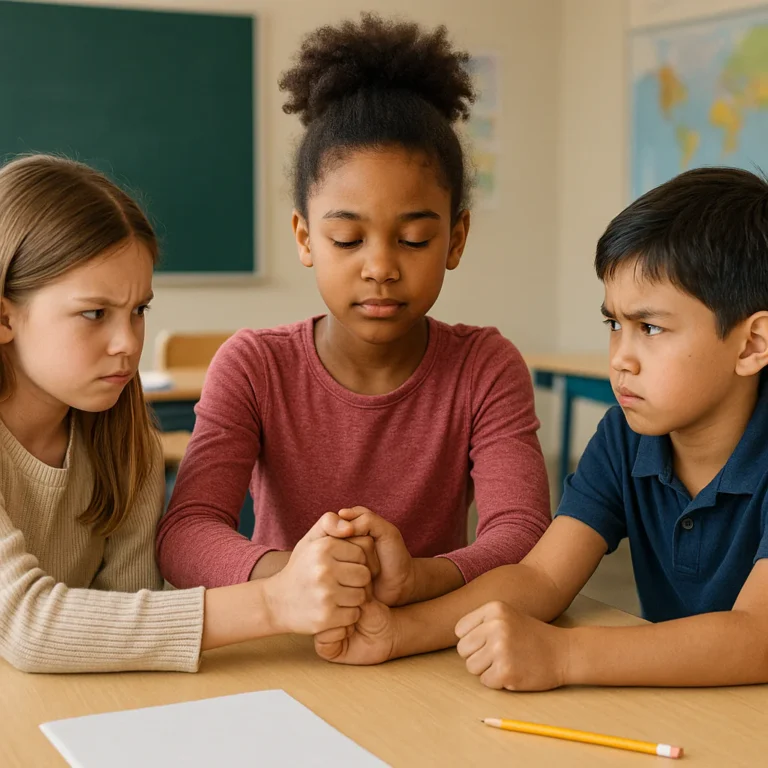
- Strategy: Use restorative practices. Focus on repairing harm rather than punishing.
- Question: Ask, “What happened?” and “How can we make it right?” instead of “Why did you do that?”
12. Celebrating Small Wins and Milestones
Recognition fuels engagement. Celebrate both academic and non-academic achievements.
- Idea: Create a Gratitude Wall or Shout-out Box where students can recognize each other.
- Impact: Builds a positive classroom climate and sense of belonging.
13. Adapting to Diverse Learning Styles and Needs
Differentiated instruction is not just about content; it’s about connection. Meet students where they are.
- Resource: Explore Differentiated Instruction strategies to tailor your approach.
- Benefit: Shows students you value their individual needs and abilities.
14. Fostering Peer-to-Peer Connections
Strong peer relationships enhance the overall classroom climate.
- Activity: Use collaborative learning structures like think-pair-share or jigsaw activities.
- Tool: Try Random Name Picker apps to create diverse groups.
15. Maintaining Professional Boundaries While Being Approachable
It’s possible to be warm and professional.
- Balance: Share appropriate personal anecdotes to humanize yourself, but maintain clear professional limits.
- Why: Protects your well-being and models healthy boundaries for students.
16. Using Humor to Diffuse Tension and Build Bond
Humor is a powerful connector. It lowers defenses and creates joy.
- Caution: Avoid sarcasm or humor at the expense of others. Use inclusive, light-hearted humor.
- Effect: Creates a relaxed learning environment.
17. Providing Opportunities for Student Leadership
Empower students to take ownership.
- Action: Assign roles like classroom manager, tech helper, or peer tutor.
- Benefit: Builds confidence and responsibility.
18. Regularly Checking In on Student Well-being
Well-being is foundational to learning.
- Method: Use morning meetings or check-in sheets to gauge emotional states.
- Tool: Implement mood meters to help students identify their feelings.
19. Being Transparent About Expectations and Grading
Transparency builds trust.
- Strategy: Clearly outline grading criteria and expectations. Provide rubrics and examples.
- Why: Reduces anxiety and perceived unfairness.
20. Showing Vulnerability and Authenticity
Vulnerability builds connection.
- Action: Share your own struggles and how you overcame them.
- Impact: Makes you relatable and human.
21. Collaborating with Colleagues for Student Support
Teamwork enhances student support.
- Action: Share insights about students with other teachers and counselors.
- Benefit: Creates a holistic support system.
2. Reflecting on and Adjusting Your Approach
Reflection is key to growth.
- Practice: Regularly assess your relationships with students. What’s working? What’s not?
- Tool: Use a self-assessment checklist for relationship-building practices.
23. Prioritizing Self-Care to Prevent Burnout
You can’t pour from an empty cup.
- Action: Set boundaries for your work time. Engage in self-care activities.
- Why: Prevents burnout and models healthy habits for students.
24. Leveraging Technology for Connection
Technology can enhance relationships.
- Tool: Use digital dialogue journals or video messages to connect with students.
- Caution: Ensure digital equity and privacy.
25. Building Trust Through Consistency Over Time
Trust is built in the small moments over time.
- Strategy: Be reliable. Follow through on promises.
- Result: Creates a secure foundation for learning.
The Importance of Building Positive Relationships with Students
Why does this matter so much? The data is overwhelming. Positive teacher-student relationships are linked to higher academic achievement, better attendance, and improved social-emotional outcomes.
According to research from EdResearch, students with positive connections to their teachers are more likely to attain higher academic results. But it goes deeper. These relationships act as a safeguard for students facing difficult personal circumstances. When a student feels safe, understood, and appreciated, they are more likely to engage and perform well academically.
Furthermore, prioritizing relationships demonstrates credibility. It shows students that you care about them as people, not just as learners. This trust leads to greater effort and a calmer, more productive classroom. As one study noted, a welcoming and interested teacher can reduce classroom disruptions by up to 75%.
Education Settings and Contextual Factors
The strategies for building relationships vary by education setting.
- Early Childhood Education: Focus on attachment and security. Use play-based learning and physical comfort.
- Elementary School: Emphasize routine and positive reinforcement. Use morning meetings to build community.
- Middle School: Address adolescent development. Provide autonomy and peer interaction opportunities.
- High School: Focus on mentorship and college/carer readiness. Connect learning to real-world applications.
In each setting, cultural responsiveness and inclusivity are paramount. Teachers must adapt their strategies to meet the diverse needs of their students.
Research and Resources on Classroom Dynamics
The evidence base for relationship-building is robust. Key resources include:
- Center on Positive Behavioral Interventions and Supports (PBIS): Provides evidence-based recommendations for fostering meaningful connections.
- REL Northwest: Offers videos and blogs on strengthening relationships with students from diverse backgrounds.
- Great Lakes Equity Center: Provides resources on building equitable, safe, and supportive schools.
These resources emphasize that positive school climate is key to student success. Safety and belonging drive academic engagement.
Topics in Educational Psychology
Several psychological theories underpin the importance of teacher-student relationships:
- Attachment Theory: Highlights the need for a secure base for exploration and learning.
- Self-Determination Theory: Emphasizes the need for autonomy, competence, and relatedness.
- Social Cognitive Theory: Stresses the role of modeling and observational learning.
Understanding these theories helps teachers implement strategies that are psychologically sound and effective.
About Us: Teacher Strategies™
At Teacher Strategies™, we are dedicated to providing expert advice and practical tools for educators. Our team of experienced teachers and educators specializes in classroom management, differentiated instruction, and assessment techniques. We believe that positive relationships are the cornerstone of effective teaching.
For More Practical Guidance
Looking for more specific strategies? Explore our resources on:
These categories offer in-depth guides and tools to help you build stronger connections with your students.
Featured Video Insights
To visualize these concepts, check out the featured video embedded above. It highlights five key strategies:
- Host Show and Tells: Empower students to share about themselves.
- Keep Show and Tells Brief: Aim for short, engaging presentations.
- Give a Caretaker Inventory: Gather insights from parents about student interests.
- Share About Yourself: Be open about your own interests to foster connection.
- Play Games: Create a fun, relaxed environment.
Watch the Video on Building Positive Relationships
Competitive Analysis & Perspective Resolution
You might be wondering, “Which strategy is the best?” Let’s look at the competing perspectives.
EdResearch emphasizes cultural safety and reflexivity, arguing that trust is built on structure and predictability. They highlight the importance of informal chats to enhance approachability.
PBIS focuses on evidence-based recommendations like greeting students and co-designing learning. They stress the importance of structured and unstructured opportunities for peer interaction.
Edutopia offers a plethora of daily rituals like morning meetings and greeting at the door, along with specific tools like name tents and get-to-know-you surveys.
Resolution: There is no single “best” strategy. The most effective approach is a hybrid model. Combine the structural consistency advocated by EdResearch with the evidence-based practices of PBIS and the creative rituals of Edutopia. Cultural responsiveness should be the lens through which all strategies are applied. Trust the data on positive reinforcement and relationship-building, but adapt it to your unique classroom context.
Quick Tips and Facts (Revisited for Depth)
Let’s add a few more nuanced tips:
- ✅ The Power of the Pause: Before responding to a student, pause for three seconds. This allows for thoughtful rather than reactive responses.
- ✅ Name Games: Use name tents with phonetic spellings to ensure you pronounce names correctly. This small act shows respect and attention to detail.
- ✅ The “Rose and Thorn” Check-in: Start class with students sharing a rose (positive) and a thorn (challenge). This builds empathy and community.
Recommended Links
FAQ

Q: How long does it take to build a positive relationship with a student?
A: It’s an ongoing process. However, small, consistent interactions can begin to build trust within the first few weeks.
Q: What if a student is resistant to building a relationship?
A: Be patient. Use low-stakes interactions and non-verbal cues to show you care. Avoid forcing the connection.
Q: Can technology replace face-to-face relationship building?
A: No. Technology can enhance connection, but it cannot replace the human element of empathy and presence.
Reference Links
- EdResearch: Positive Teacher-Student Relationships
- IES: How to Build Positive Relationships
- Edutopia: 23 Ways to Build Relationships
Conclusion

We started this journey by asking a simple but profound question: Can a teacher truly teach a student they don’t know? The answer, backed by decades of research and the daily experiences of educators at Teacher Strategies™, is a resounding no.
Throughout this article, we’ve explored the evolution of teacher-student rapport, from the distant authority figures of the past to the empathetic, culturally responsive mentors of today. We’ve dissected 25 specific strategies, from the 2×10 rule that can transform a disruptive student’s behavior to the simple act of greeting students at the door. We’ve seen how active listening, unconditional positive regard, and consistent boundaries create a psychologically safe environment where learning thrives.
The narrative arc is clear: Relationships are not a distraction from learning; they are the vehicle for it. When students feel seen, heard, and valued, their brains shift from a state of defense to a state of receptivity. The “small wins” we celebrated—like a shared joke or a correctly pronounced name—are the bricks that build the fortress of trust.
Our Confident Recommendation:
If you take only one thing away from this guide, let it be this: Start small, but start today. You do not need to overhaul your entire curriculum overnight. Pick one strategy from our list—perhaps the Morning Meeting or the 2×10 check-in—and commit to it for the next week. Consistency is the magic ingredient. As you build these connections, you will find that classroom management becomes less about policing and more about guiding, and academic achievement will naturally follow.
The path to a positive classroom is paved with intentionality. It requires vulnerability, patience, and a genuine belief in the potential of every student. By prioritizing these relationships, you are not just teaching a subject; you are shaping a life.
Recommended Links
To help you implement these strategies, we’ve curated a list of essential resources, books, and tools. These items are highly recommended by the Teacher Strategies™ team for building stronger classroom connections.
Essential Books for Building Relationships:
- The First Days of School by Harry Wong and Rosemary Wong: A classic guide on establishing routines and expectations that foster trust.
👉 Shop on: Amazon | Barnes & Noble - The Power of Positive Relationships by Dr. Jane Bluestein: Practical strategies for creating a supportive classroom climate.
👉 Shop on: Amazon | Book Depository - Culturally Responsive Teaching and The Brain by Zareta Hammond: Essential reading for understanding how to build relationships across cultural divides.
👉 Shop on: Amazon | Corwin Press
Tools for Connection and Management:
- ClassDojo: A platform for positive reinforcement, communication, and building community.
Shop/Sign Up on: ClassDojo Official Website | App Store - SurveyMonkey: For creating “Get-to-Know-You” surveys to learn about student interests.
👉 Shop on: SurveyMonkey Official Website | G2 - Random Name Picker Apps: Tools like Wheel of Names to facilitate fair and fun groupings.
👉 Shop on: Wheel of Names | ClassTools.net
Professional Development Resources:
- PBIS World: A comprehensive database of evidence-based interventions for behavior and relationships.
Visit: PBIS.org - Edutopia: For ongoing articles and videos on relationship building.
Visit: Edutopia
FAQ

How does building rapport with students impact academic success?
Building rapport directly impacts academic success by creating a safe learning environment. When students feel emotionally secure, their cognitive resources are freed up for learning rather than managing anxiety or fear. Research indicates that students with strong teacher connections show higher attendance rates, increased engagement, and better academic performance. The trust established allows students to take academic risks, ask questions, and persist through challenges, all of which are critical for deep learning.
What classroom management strategies promote positive interactions?
Effective classroom management strategies that promote positive interactions include co-creating classroom norms, using restorative practices instead of punitive measures, and implementing predictable routines. Strategies like the 2×10 method (spending 2 minutes a day for 10 days talking to a challenging student) and positive reinforcement (specific, timely praise) shift the focus from control to connection. Additionally, greeting students at the door sets a positive tone for the day and allows for immediate, individualized connection.
How can teachers build trust with their students?
Trust is built through consistency, authenticity, and reliability. Teachers can build trust by:
- Following through on promises and commitments.
- Admiting mistakes and apologizing when necessary, modeling vulnerability.
- Listening actively and validating student feelings without immediate judgment.
- Maintaining clear boundaries while showing genuine care.
- Being culturally responsive and acknowledging the diverse backgrounds of students.
How can teachers encourage student participation and motivation?
Teachers can encourage participation by empowering student voice and offering choices in learning activities. Creating a collaborative learning environment where students feel their contributions are valued is key. Strategies like co-designing lessons, using dialogue journals, and implementing student-led projects foster a sense of ownership. Furthermore, connecting content to students’ real-world interests and personal goals significantly boosts intrinsic motivation.
What strategies help teachers connect with diverse learners?
Connecting with diverse learners requires cultural responsiveness and differentiated instruction. Teachers should:
- Learn about students’ cultural backgrounds and incorporate them into the curriculum.
- Use varied instructional methods to meet different learning styles and needs.
- Avoid assumptions and actively seek to understand individual student perspectives.
- Create an inclusive environment where all identities are celebrated and respected.
- Build relationships with families to gain a holistic understanding of the student.
How does positive reinforcement impact classroom behavior?
Positive reinforcement strengthens desired behaviors by providing imediate, specific, and genuine feedback. Unlike punishment, which often focuses on what went wrong, positive reinforcement highlights what went right, encouraging students to repeat those behaviors. It builds self-esteem and motivation, creating a positive feedback loop where students feel capable and valued. This approach reduces the need for corrective interventions and fosters a pro-social classroom climate.
What are effective ways to show empathy to students?
Showing empathy involves active listening, validating feelings, and perspective-taking. Effective ways include:
- Reflecting back what a student says to show understanding (e.g., “It sounds like you’re feeling frustrated because…”).
- Asking open-ended questions to encourage students to share their thoughts.
- Being present and giving undivided attention during interactions.
- Acknowledging emotions without trying to immediately “fix” them.
- Using non-verbal cues like eye contact and noding to show engagement.
How can building trust improve student engagement?
Trust is the foundation of engagement. When students trust their teacher, they feel safe to participate, ask questions, and make mistakes without fear of ridicule. This safety encourages risk-taking and deep learning. Trust also fosters a sense of belonging, making students more likely to invest effort in their work and collaborate with peers. A trusting relationship transforms the classroom from a place of compliance to a community of active learners.
What classroom management techniques foster better teacher-student connections?
Techniques that foster connections include restorative circles, conflict resolution dialogues, and positive behavior support systems. Instead of isolating students for misbehavior, these techniques focus on repairing harm and rebuilding relationships. Consistent routines and clear expectations also provide a sense of predictability that makes students feel secure. Additionally, informal check-ins and greeting rituals help maintain a positive tone even during challenging moments.
How does empathy contribute to successful teaching strategies?
Empathy allows teachers to understand the underlying needs behind student behavior, leading to more effective interventions. It helps teachers differentiate instruction to meet individual needs and adapt their teaching styles to better connect with students. Empathetic teachers are better equipped to de-escalate conflicts, build rapport, and create a supportive learning environment. Ultimately, empathy humanizes the teaching process, making it more responsive and effective.
What are effective ways to build trust with students?
Effective ways to build trust include consistency in actions and words, transparency about expectations and grading, and showing genuine interest in students’ lives. Teachers should follow through on commitments, admit mistakes, and respect student boundaries. Active listening and validating student perspectives are also crucial. Over time, these actions demonstrate that the teacher is reliable, fair, and caring, which are the pillars of trust.
How can positive teacher-student relationships improve student engagement?
Positive relationships improve engagement by creating a sense of belonging and safety. When students feel connected to their teacher, they are more likely to participate in class discussions, complete assignments, and seek help when needed. These relationships also foster intrinsic motivation, as students want to succeed for a teacher they respect and care about. A positive connection reduces anxiety and disruption, allowing students to focus on learning and growth.
What role does communication play in teacher-student relationships?
Communication is the primary vehicle for building and maintaining relationships. Effective communication involves active listening, clear expression, and non-verbal cues. It allows teachers to understand student needs, provide feedback, and resolve conflicts. Open and honest communication fosters trust and respect, creating a collaborative environment where students feel heard and valued. Regular check-ins and dialogue are essential for sustaining these connections.
How can teachers create a supportive classroom environment?
Teachers can create a supportive classroom environment by:
- Establishing clear and consistent routines that provide predictability.
- Promoting inclusivity and celebrating diversity.
- Encouraging collaboration and peer support.
- Providing opportunities for student voice and choice.
- Modeling empathy and respect in all interactions.
- Addressing social-emotional needs alongside academic goals.
- Creating a safe space for risk-taking and mistakes.
Reference Links
- EdResearch: Positive Teacher-Student Relationships: Their Role in Classroom Management
- IES (Institute of Education Sciences): How to Build Positive Relationships with Students
- Edutopia: 23 Ways to Build and Sustain Classroom Relationships
- Center on Positive Behavioral Interventions and Supports (PBIS): PBIS Framework
- REL Northwest: Strengthening Relationships with Students from Diverse Backgrounds
- Great Lakes Equity Center: Building Equitable, Safe, and Supportive Schools
- Colorado Department of Education: Understanding and Cultivating a Positive School Climate
- Office of the State Superintendent of Education (DC): Relationship-Building Strategies for the Classroom