Support our educational content for free when you buy through links on our site. Learn more
12 Game-Changing Strategies for Promoting Cooperative Learning Groups 🚀 (2026)

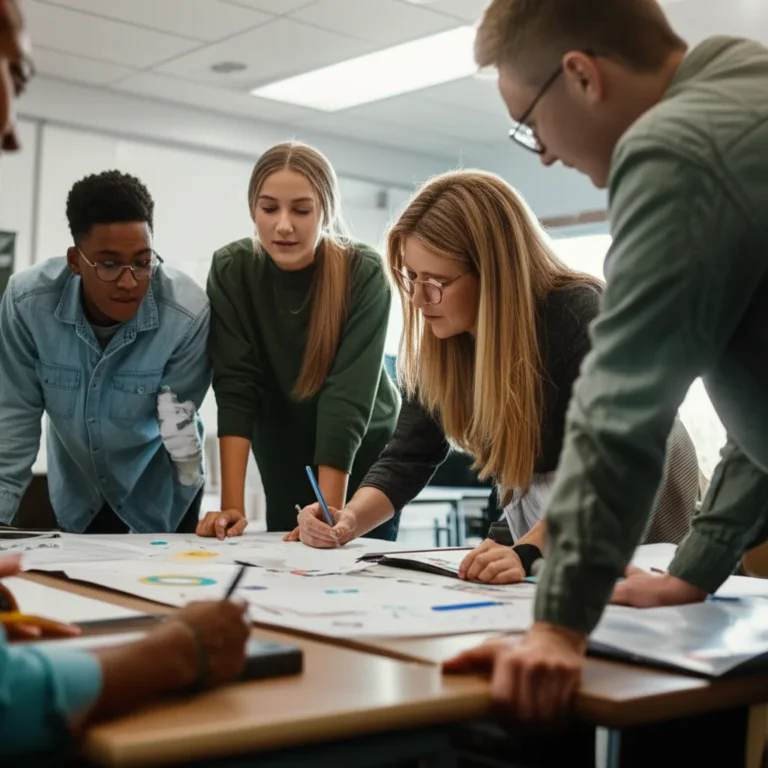
Imagine a classroom where students don’t just sit side-by-side but actively lean in to each other’s ideas, sparking creativity, critical thinking, and genuine teamwork. Cooperative learning groups aren’t just a trendy buzzword—they’re a proven powerhouse for boosting academic success and social skills alike. But how do you transform chaotic group work into a well-oiled collaborative machine? That’s exactly what we’re diving into today.
At Teacher Strategies™, we’ve coached countless educators through the ups and downs of group dynamics. We’ll share 12 expert-backed strategies that go beyond the basics—think role structuring, tech integration, conflict resolution, and even how to tailor your approach for English Language Learners. Plus, we’ll reveal some surprising insights about group size and accountability that might just change how you view teamwork forever. Ready to turn your classroom into a collaboration hotspot? Let’s get started!
Key Takeaways
- Intentional group roles and clear expectations are the foundation of successful cooperative learning.
- Positive interdependence and individual accountability ensure every student contributes and benefits.
- Incorporating technology tools like Flipgrid and Google Jamboard can elevate collaboration, especially in hybrid settings.
- Tailoring strategies for English Language Learners (ELLs) maximizes inclusivity and engagement.
- Conflict resolution and reflective discussions transform challenges into growth opportunities.
- Optimal group size (3-5 students) balances diversity and manageability for effective teamwork.
Unlock these strategies and watch your students thrive as confident, communicative collaborators!
Table of Contents
- ⚡️ Quick Tips and Facts About Cooperative Learning Groups
- 📚 The Evolution and Importance of Cooperative Learning in Education
- 🔍 Understanding Cooperative Learning: Definitions and Core Principles
- 🎯 12 Proven Strategies for Promoting Cooperative Learning Groups
- 1. Structuring Roles for Effective Group Dynamics
- 2. Designing Engaging Collaborative Tasks
- 3. Implementing Positive Interdependence Techniques
- 4. Encouraging Individual Accountability
- 5. Teaching Social and Interpersonal Skills
- 6. Using Formative Assessment to Guide Groups
- 7. Incorporating Technology to Boost Collaboration
- 8. Promoting Reflective Group Discussions
- 9. Balancing Group Composition for Diversity and Strengths
- 10. Setting Clear Expectations and Norms
- 11. Facilitating Conflict Resolution and Problem Solving
- 12. Celebrating Group Successes and Milestones
- 🌍 Tailoring Cooperative Learning for English Language Learners (ELLs)
- 💡 Creative Cooperative Learning Activities and Games to Try Today
- 📊 Measuring the Impact: Assessing Cooperative Learning Effectiveness
- 🛠️ Tools and Resources to Enhance Cooperative Learning Groups
- 👩 🏫 Teacher Tips: Overcoming Common Challenges in Cooperative Learning
- 🌟 Inspiring Success Stories from Classrooms Using Cooperative Learning
- 📚 Recommended Reading and Research on Cooperative Learning
- 🔗 Recommended Links for Further Exploration
- ❓ Frequently Asked Questions About Cooperative Learning Groups
- 📑 Reference Links and Credible Sources
- 🏁 Conclusion: Mastering Cooperative Learning for Classroom Success
⚡️ Quick Tips and Facts About Cooperative Learning Groups
Hey there, fellow educators! 👋 Are you ready to transform your classroom into a buzzing hub of collaboration and discovery? At Teacher Strategies™, we’ve seen firsthand how powerful cooperative learning can be. It’s not just about putting students in groups; it’s about intentionally designing experiences where every student thrives, learns from their peers, and contributes meaningfully. Think of it as orchestrating a symphony where each instrument plays a vital part, creating a harmonious and rich learning experience! 🎶
We’ve spent years in the trenches, experimenting with different approaches, and we’re here to share our absolute best insights. From boosting academic achievement to nurturing crucial social-emotional skills, cooperative learning is a game-changer. In fact, research consistently shows its profound impact on student success across all grade levels and subject areas. Ready to dive into some quick wins and fascinating facts? Let’s go!
| Aspect | Quick Insight
| Impact on Learning | Cooperative learning consistently leads to higher academic achievement compared to individualistic or competitive methods. It’s not just about getting the right answer; it’s about understanding why it’s the right answer. TA Many
| **Average Group Size | 3-5 students is often ideal for balancing diverse perspectives with manageable dynamics.
| Cooperative Learning | Definition: A teaching method where students work in small groups to achieve a common academic goal, ensuring positive interdependence, individual accountability, face-to-face interaction, social skills, and group processing.
Conclusion: Mastering Cooperative Learning for Classroom Success

Well, there you have it — a treasure trove of strategies, insights, and practical tips to promote cooperative learning groups that truly work! From structuring roles to celebrating group successes, we’ve unpacked the secret sauce that turns ordinary group work into extraordinary learning experiences. Remember, cooperative learning is not just a method; it’s a mindset that values collaboration, accountability, and social growth.
If you’ve ever wondered how to keep every student engaged, accountable, and thriving in a group setting, the answer lies in intentional planning and ongoing reflection. Our expert team at Teacher Strategies™ can’t stress enough the importance of setting clear expectations, rotating roles, and fostering a classroom culture where students feel safe to express ideas and resolve conflicts.
And what about technology? It’s not just a shiny add-on — when used thoughtfully, tools like Google Jamboard, Flipgrid, and Zoom breakout rooms can supercharge collaboration, especially in hybrid or online classrooms.
If you’re still on the fence about which cooperative learning strategies to try first, start small with role assignments or the classic Jigsaw method. Then, watch as your students blossom into confident, empathetic learners who depend on each other in a positive way — just like the research from Colorín Colorado highlights.
So, are you ready to orchestrate your own classroom symphony of cooperation and success? We bet you are! 🎉
Recommended Links for Further Exploration
Looking to equip your classroom with the best tools and resources? Check these out:
-
Kagan Cooperative Learning Structures:
Amazon Search for Kagan Cooperative Learning Books
| Kagan Official Website -
Flipgrid (Video Discussion Platform):
Flipgrid Official Site -
Google Jamboard (Collaborative Whiteboard):
Google Jamboard -
Zoom Breakout Rooms (Virtual Group Collaboration):
Zoom Breakout Rooms Guide -
Recommended Reading on Cooperative Learning:
- Cooperative Learning by Spencer Kagan
- The Power of Cooperative Learning by David W. Johnson and Roger T. Johnson
- Learning Together and Alone by David W. Johnson, Roger T. Johnson, and Karl A. Smith
Find these titles on Amazon Cooperative Learning Books
❓ Frequently Asked Questions About Cooperative Learning Groups
What are effective ways to form cooperative learning groups in the classroom?
Forming groups thoughtfully is key! Consider heterogeneous grouping to mix students of varying abilities, backgrounds, and learning styles. This diversity promotes richer discussions and peer teaching. Groups of 3-5 students strike the perfect balance between diversity and manageability. You can assign groups randomly, strategically, or let students choose — but always monitor dynamics to ensure inclusivity and productivity. Rotating group membership periodically helps students build wider social networks and prevents cliques.
How can teachers encourage positive interdependence in group work?
Positive interdependence means students realize they succeed only if their teammates succeed. To foster this, design tasks where each member has a unique role or piece of information essential for the group’s success (think Jigsaw or Puzzle Pieces). Use shared goals and rewards to reinforce that collaboration matters. Explicitly teach and model phrases like “We need each other to solve this” or “Your part is important for our team.” This mindset shifts students from competing against each other to supporting one another.
What role does group size play in successful cooperative learning?
Group size influences communication, accountability, and engagement. Too large, and some students may “freeride” or get lost in the crowd; too small, and you lose diversity of thought. Research and our experience recommend groups of 3-5 students as optimal. This size allows for meaningful interaction, manageable coordination, and ensures everyone has a voice. For younger learners or ELLs, smaller groups or pairs can be effective starting points.
How can conflict be managed within cooperative learning groups?
Conflict is natural in any group, but it can be a growth opportunity when managed well. Teach students conflict resolution skills explicitly: active listening, “I” statements, and collaborative problem-solving. Set clear group norms about respect and communication from the start. When conflicts arise, step in as a facilitator to guide reflection rather than impose solutions. Encourage groups to debrief after activities, discussing what went well and what could improve.
What strategies help ensure equal participation in cooperative groups?
Unequal participation can sabotage group success. To combat this, assign specific roles like recorder, reporter, timekeeper, or materials manager, rotating them regularly. Use tools like checklists or colored markers to track contributions (a tip from the Freeride Elimination strategy). Incorporate individual accountability by having students submit personal reflections or quizzes on the group’s work. Encourage peer feedback and self-assessment to build awareness.
How can technology be integrated to support cooperative learning?
Technology can be a fantastic ally! Platforms like Flipgrid allow students to share video responses and reflect asynchronously, perfect for shy or remote learners. Google Jamboard offers a virtual whiteboard for brainstorming and visual collaboration. Zoom breakout rooms facilitate small group discussions in online settings. Tools like Padlet and Mentimeter enable interactive exit tickets and polls to gather group insights. The key is choosing tech that enhances interaction without overwhelming students.
What assessment methods work best for evaluating cooperative group projects?
Assessment should capture both group outcomes and individual contributions. Use a mix of formative assessments (peer evaluations, self-reflections, teacher observations) and summative assessments (group presentations, joint reports, projects). Rubrics that include criteria for collaboration, communication, and content mastery help clarify expectations. Incorporate process-oriented assessments to value how students work together, not just the final product. This balanced approach encourages accountability and growth.
📑 Reference Links and Credible Sources
- Colorín Colorado: Cooperative Learning Strategies — https://www.colorincolorado.org/article/cooperative-learning-strategies
- Scholarly Teacher: Online Teaching Strategies to Promote Collaboration — https://www.scholarlyteacher.com/post/4-online-teaching-strategies-to-promote-collaboration-and-community
- University of San Diego: 8 Cooperative Learning Strategies to Use in the Classroom — https://onlinedegrees.sandiego.edu/cooperative-learning-strategies/
- Kagan Cooperative Learning Official Site — https://www.kaganonline.com/
- Flipgrid Official Website — https://info.flipgrid.com/
- Google Jamboard — https://workspace.google.com/products/jamboard/
- Zoom Breakout Rooms Support — https://support.zoom.us/hc/en-us/articles/206476313-Managing-breakout-rooms
- Johnson, D.W., & Johnson, R.T. (2009). Cooperation and the Use of Technology. In The Cambridge Handbook of the Learning Sciences (2nd ed.). Cambridge University Press.
Ready to take your cooperative learning groups to the next level? Dive into these resources and strategies, and watch your classroom community thrive! 🚀