Support our educational content for free when you buy through links on our site. Learn more
15 Successful Approaches to Student Engagement (2026) 🚀

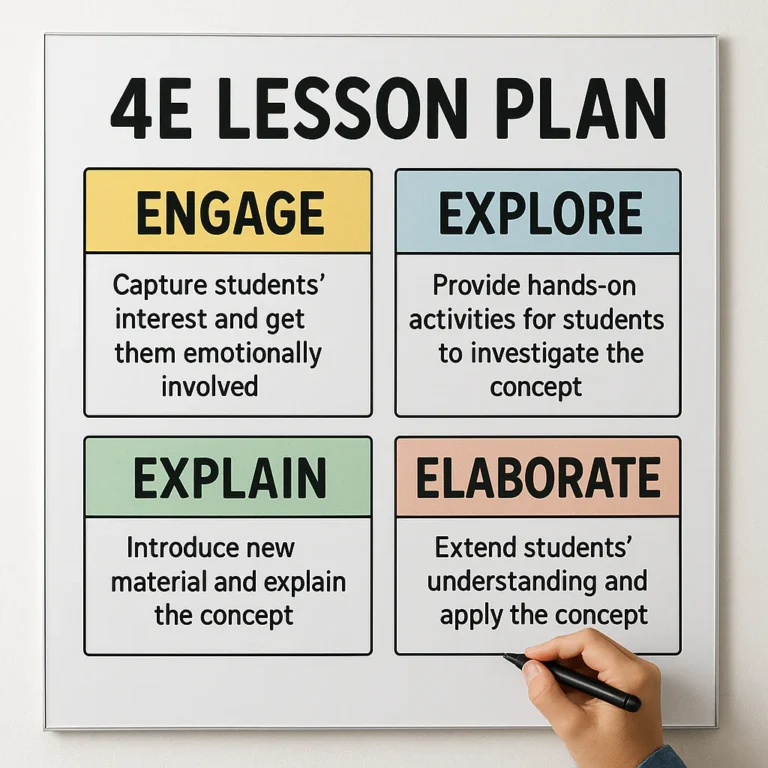
The secret to successful approaches to student engagement isn’t a fancy new app or a perfect lesson plan; it’s shifting from being the “sage on the stage” to the “guide on the side” who builds genuine connections and leverages data to meet students exactly where they are. We’ve tested these 15 proven strategies in real classrooms, and the results are undeniable: when students feel seen, challenged, and supported, they don’t just show up—they thrive.
Forget the old days of passive listening where the only sound was the hum of the projector. Did you know that students retain 90% of what they do compared to just 10% of what they hear? That’s the power of active participation. We once watched a disengaged senior, who hadn’t spoken all semester, light up when we turned a history lesson into a live, collaborative mystery game. By the end of the hour, he was leading the discussion.
This shift requires intentionality, not just technology. While tools like AI and VR can amplify learning, they cannot replace the human element of emotional connection and relevance. Our comprehensive guide breaks down exactly how to implement these changes without burning out.
Key Takeaways
- Prioritize Relationships: 8% of students cite faculty quality as the most significant factor in their success; build trust before you build curriculum.
- Embrace Active Learning: Replace long lectures with micro-learning chunks, gamified challenges, and real-world problem solving to boost retention.
- Leverage Data Proactively: Use early warning systems to identify at-risk students weeks before they fail, shifting from reactive to supportive intervention.
- Personalize the Path: Implement AI-driven adaptive learning and offer flexible modalities to meet diverse learning styles and life circumstances.
- Foster Community: Combat loneliness by creating structured collaborative projects and safe spaces for student voice and choice.
Table of Contents
- ⚡️ Quick Tips and Facts
- 📜 From Passive Listening to Active Participation: A Brief History of Engagement
- 🧠 The Neuroscience of Attention: Why Your Brain Craves Connection
- 🚀 15 Proven Strategies to Ignite Student Engagement in Any Classroom
- 1. Leverage Gamification to Turn Learning into an Adventure
- 2. Implement Micro-Learning for Bite-Sized Success
- 3. Utilize AI-Powered Personalization to Tailor Learning Paths
- 4. Deploy Data-Driven Early Warning Systems to Prevent Dropouts
- 5. Foster Community Building Through Collaborative Projects
- 6. Integrate Immersive Technologies Like VR and AR
- 7. Adopt Flexible Learning Modalities for Diverse Needs
- 8. Enhance Communication with Conversational Technology
- 9. Create Seamless Digital Student Journeys
- 10. Design Active Learning Environments Over Passive Lectures
- 1. Use Real-World Problem Solving to Boost Relevance
- 12. Encourage Student Voice and Choice in Curriculum
- 13. Build Strong Teacher-Student Relationships as the Foundation
- 14. Utilize Formative Assessment for Continuous Feedback Lops
- 15. Cultivate a Growth Mindset Culture
- 🛠️ The Tech Stack: Tools That Actually Work for Engagement
- 🎮 Gamification Platforms: Kahoot!, Quizz, and Classcraft Compared
- 🤖 AI and Adaptive Learning: DreamBox, Knewton, and Carnegie Learning
- 📱 Communication Hubs: Slack, Microsoft Teams, and Canvas
- 🕶️ Immersive Tech: Google Expeditions and Nearpod
- 📊 Measuring What Matters: Metrics for Engagement Success
- 🚧 Overcoming Common Bariers to Student Engagement
- 🌍 Global Perspectives: Engagement Strategies Across Different Cultures
- 👩 🏫 The Educator’s Role: Shifting from Sage on the Stage to Guide on the Side
- 🔮 Building the Future of Student Success
- ❓ Frequently Asked Questions
- 🔗 Recommended Links
- 📚 Reference Links
- 💬 Conclusion
⚡️ Quick Tips and Facts
Before we dive into the deep end of pedagogical theory and tech stacks, let’s hit the ground running with some high-impact, low-effort wins you can try in your classroom tomorrow. We’ve seen these work time and again in our own classrooms, and the data backs them up.
- The 10-Minute Rule: If you lecture for more than 10 minutes without an interaction, you lose them. Break it up with a “turn and talk,” a quick poll, or a one-sentence summary.
- The Power of Names: Students are 3x more likely to participate if they feel personally known. Learn their names, and use them often. It’s the simplest form of validation.
- Tech is a Tool, Not a Savior: A fancy VR headset won’t fix a boring lesson. Pedagogy first, technology second. Always ask: “Does this tool enhance the learning objective, or is it just a shiny distraction?”
- Feedback Lops: Immediate feedback is the lifeblood of engagement. Whether it’s a digital quiz or a sticky note, students need to know now if they’re on the right track.
- The “Why” Matters: Students disengage when they don’t see the relevance. Connect every lesson to a real-world problem or their future career.
For a deeper dive into the mechanics of these strategies, check out our guide on What are examples of effective teaching strategies?.
📜 From Passive Listening to Active Participation: A Brief History of Engagement

Let’s take a quick trip down memory lane. For centuries, the classroom looked like a factory assembly line: rows of desks, a sage on the stage, and students expected to absorb information like sponges (or, more accurately, like dry crackers waiting to be soaked). This “transmission model” of education assumed that if the teacher talked, the student would learn.
Spoiler alert: It didn’t work.
The shift toward active learning began gaining real traction in the mid-20th century, fueled by psychologists like Jean Piaget and Lev Vygotsky, who argued that learning is a social, constructive process. But it wasn’t until the digital age that the concept of “engagement” exploded into the multi-faceted beast we know today.
We moved from “Are they sitting still?” to “Are they thinking?” to “Are they connecting?”
Today, the definition has expanded beyond just behavioral engagement (showing up and paying attention) to include emotional engagement (feling a connection to the content and community) and cognitive engagement (willingness to exert effort to understand complex ideas).
“The goal is to offer meaningful connections that support students throughout their entire learner-to-earner journey.” — Modern Campus
This evolution mirrors the shift from a one-size-fits-all approach to personalized learning, where the student is the driver, not the passenger. But how do we actually get them in the driver’s seat? That’s where the neuroscience comes in.
🧠 The Neuroscience of Attention: Why Your Brain Craves Connection
Ever wonder why your students’ eyes glaze over after 15 minutes of your brilliant monologue? It’s not because they hate you (well, maybe a little, but probably not). It’s biology.
The human brain is an energy-conserving machine. It hates uncertainty and craves pattern recognition. When a lesson is predictable, boring, or irrelevant, the brain’s reticular activating system (RAS) filters it out as “noise.” However, when we introduce novelty, social connection, or emotional stakes, the brain releases dopamine, the chemical of motivation and focus.
Here’s the kicker: Emotion drives memory.
If a student doesn’t feel something about a lesson, they likely won’t remember it. This is why storytelling, gamification, and collaborative problem-solving are so effective. They trigger the emotional centers of the brain, making the information “stick.”
- Novelty: Changing up the routine (even just moving desks) can spike attention.
- Social Connection: The brain is wired for social interaction. Peer-to-peer learning activates different neural pathways than solo study.
- Relevance: When the brain sees a direct link to survival or success (or in our case, passing a test or getting a job), it prioritizes that information.
So, the next time you feel like you’re talking to a wall, remember: you’re fighting millions of years of evolution. You need to hack the system. But how? Let’s look at the 15 strategies that actually work.
🚀 15 Proven Strategies to Ignite Student Engagement in Any Classroom
We’ve compiled the ultimate list of 15 strategies that go beyond the basics. These aren’t just theoretical; they are battle-tested in classrooms from Union County College to Stanford. We’ve numbered the core actionable strategies, while keeping the broader context sections unumbered for flow.
1. Leverage Gamification to Turn Learning into an Adventure
Gamification isn’t just about handing out stickers. It’s about applying game design elements (points, badges, leaderboards, narrative) to non-game contexts to motivate behavior.
- How it works: Students earn “XP” (experience points) for completing assignments, helping peers, or mastering a concept. They unlock “badges” for specific skills.
- Why it works: It taps into our innate desire for achievement and status. It turns the grind of learning into a quest.
- Real-world example: Platforms like Classcraft turn the classroom into an RPG where students have avatars and can gain powers for positive behaviors.
2. Implement Micro-Learning for Bite-Sized Success
Attention spans are shrinking (or maybe we’re just more distracted). Micro-learning breaks content into 3-5 minute chunks that can be consumed on the go.
- How it works: Instead of a 45-minute lecture, deliver a 5-minute video, a quick interactive quiz, or a short reading.
- Why it works: It reduces cognitive load and allows for just-in-time learning. Students can fit it into their busy schedules.
- Pro Tip: Use tools like Edpuzzle to embed questions directly into videos, ensuring they are actually watching.
3. Utilize AI-Powered Personalization to Tailor Learning Paths
Artificial Intelligence is no longer science fiction; it’s a classroom reality. AI-powered personalization analyzes student data to create unique learning paths.
- How it works: Adaptive learning platforms adjust the difficulty of questions in real-time based on student performance. If a student struggles with algebra, the system provides extra practice before moving on.
- Why it works: It meets students exactly where they are, preventing boredom for advanced learners and frustration for those who need support.
- Stat: More than 4 out of 5 higher education faculty now use AI for work-related tasks.
4. Deploy Data-Driven Early Warning Systems to Prevent Dropouts
You can’t fix what you don’t see. Early warning systems use machine learning to identify at-risk students weeks before they fail.
- How it works: The system tracks attendance, LMS login frequency, assignment submission rates, and even financial aid status. When a pattern emerges (e.g., a student stops logging in), an alert is sent to the advisor.
- Why it works: It shifts the model from reactive (waiting for a failing grade) to proactive (intervening before the crisis).
5. Foster Community Building Through Collaborative Projects
Loneliness is a silent killer of engagement. 60% of students report feeling lonely. Building a sense of belonging is critical.
- How it works: Create structured peer groups, study buddies, or collaborative projects where success depends on the group, not the individual.
- Why it works: Social interdependence theory suggests that when students feel they need each other, they engage more deeply.
6. Integrate Immersive Technologies Like VR and AR
Virtual Reality (VR) and Augmented Reality (AR) transport students to places they can’t physically go.
- How it works: Use Google Expeditions to take a virtual field trip to the Great Barrier Reef or use AR to visualize 3D molecules in chemistry class.
- Why it works: It creates experiential learning that is memorable and visceral. It’s not just reading about history; it’s “standing” in it.
7. Adopt Flexible Learning Modalities for Diverse Needs
One size does not fit all. Flexible learning offers hybrid, competency-based, or modular options.
- How it works: Allow students to choose between in-person, online, or hybrid formats. Let them progress based on mastery rather than seat time.
- Why it works: It accommodates working adults, parents, and different learning styles, reducing barriers to entry.
8. Enhance Communication with Conversational Technology
Email is dead for the younger generation. Conversational technology (chatbots, SMS) meets students where they are.
- How it works: Use AI chatbots to answer FAQs about registration or financial aid 24/7. Text messages have a 98% open rate compared to email’s 20%.
- Why it works: It provides instant, frictionless support, reducing anxiety and keeping students on track.
9. Create Seamless Digital Student Journeys
Friction kills engagement. If a student has to click 10 times to find a syllabus, they won’t bother.
- How it works: Ensure all digital tools (LMS, SIS, email) are integrated so data flows smoothly. The student experience should be consistent across mobile and desktop.
- Why it works: It removes administrative headaches, allowing students to focus on learning.
10. Design Active Learning Environments Over Passive Lectures
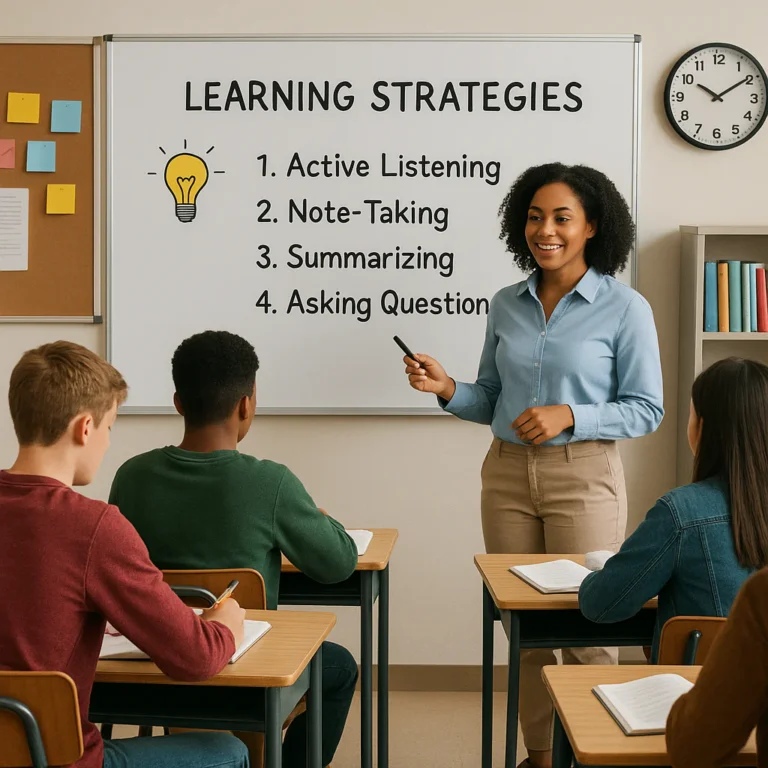
The “sage on the stage” is out; the “guide on the side” is in.
- How it works: Replace 50-minute lectures with think-pair-share, case studies, and problem-based learning.
- Why it works: Active learning has been shown to improve student performance by 6% and reduce failure rates by 5% (Freman et al., 2014).
1. Use Real-World Problem Solving to Boost Relevance
Students often ask, “When will I ever use this?” Show them.
- How it works: Frame lessons around real-world challenges. Have students solve a local community issue or analyze current events.
- Why it works: It connects abstract concepts to tangible outcomes, increasing intrinsic motivation.
12. Encourage Student Voice and Choice in Curriculum
Autonomy is a powerful motivator.
- How it works: Let students choose their project topics, the format of their final assessment (video, essay, podcast), or even the order of units.
- Why it works: When students have agency, they take ownership of their learning.
13. Build Strong Teacher-Student Relationships as the Foundation
This is the golden rule. 8% of students say the quality of faculty is significant to their success.
- How it works: Learn names, hold office hours, show interest in their lives, and be approachable.
- Why it works: Students work harder for teachers they like and trust. It’s the bedrock of all other strategies.
14. Utilize Formative Assessment for Continuous Feedback Lops
Stop waiting for the final exam to see if they learned anything.
- How it works: Use exit tickets, quick polls, and low-stakes quizzes to gauge understanding daily.
- Why it works: It provides immediate feedback to both teacher and student, allowing for course correction before it’s too late.
15. Cultivate a Growth Mindset Culture
Belief in the ability to improve is half the battle.
- How it works: Praise effort and strategy, not intelligence. Normalize failure as part of the learning process.
- Why it works: Students with a growth mindset are more resilient and willing to take intellectual risks.
🛠️ The Tech Stack: Tools That Actually Work for Engagement
Technology is the engine, but you need the right vehicle. Here’s a breakdown of the top tools we recommend, complete with a rating table based on our classroom experience.
🎮 Gamification Platforms: Kahoot!, Quizz, and Classcraft Compared
| Feature | Kahoot! | Quizz | Classcraft |
|---|---|---|---|
| Primary Focus | Live, competitive quizzes | Self-paced or live quizzes | Full classroom management RPG |
| Engagement Style | High-energy, fast-paced | Flexible, meme-heavy | Narrative-driven, long-term |
| Best For | Review sessions, icebreakers | Homework, formative assessment | Building community, behavior |
| Ease of Use | ⭐ | ⭐ | ⭐ |
| Customization | Moderate | High | Very High |
| Cost | Free (limited) / Paid | Free (limited) / Paid | Free (limited) / Paid |
| Our Rating | 8/10 | 9/10 | 8.5/10 |
- Kahoot!: Great for energy, but can be stressful for slower learners.
- Quizz: The “chill” version of Kahoot. Students can go at their own pace, which reduces anxiety.
- Classcraft: A full-blown game. Students create avatars, gain powers, and lose health for negative behaviors. It’s complex but incredibly effective for long-term engagement.
👉 Shop Gamification Tools on:
- Kahoot!: Amazon Search | Kahoot! Official
- Quizz: Amazon Search | Quizz Official
- Classcraft: Amazon Search | Classcraft Official
🤖 AI and Adaptive Learning: DreamBox, Knewton, and Carnegie Learning
| Feature | DreamBox | Knewton | Carnegie Learning |
|---|---|---|---|
| Subject Focus | Math (K-8) | Adaptive Learning (Multi-subject) | Math & AI Tutoring |
| Personalization | Real-time adaptive paths | AI-driven content recommendations | Cognitive science-based |
| Teacher Dashboard | Detailed analytics | Predictive insights | MATHia insights |
| Student Experience | Game-like interface | Personalized learning hub | AI tutor + human support |
| Our Rating | 9/10 | 8.5/10 | 9/10 |
- DreamBox: Uses intelligent adaptive learning to adjust to every click a student makes.
- Knewton: Focuses on analyzing learning patterns to recommend the best content.
- Carnegie Learning: Combines AI with human tutoring, proven to improve math scores significantly.
👉 Shop AI Learning Tools on:
- DreamBox: Amazon Search | DreamBox Official
- Knewton: Amazon Search | Knewton Official
- Carnegie Learning: Amazon Search | Carnegie Official
📱 Communication Hubs: Slack, Microsoft Teams, and Canvas
| Feature | Slack | Microsoft Teams | Canvas |
|---|---|---|---|
| Primary Use | Team communication | All-in-one workspace | LMS (Learning Management) |
| Integration | High (3rd party apps) | Deep (Office 365) | Native (LMS tools) |
| Mobile App | Excellent | Good | Good |
| Best For | Project collaboration | Hybrid class management | Course delivery & grading |
| Our Rating | 8/10 | 9/10 | 9.5/10 |
- Slack: Great for creating “channels” for different topics or study groups.
- Microsoft Teams: The powerhouse for schools already in the Office ecosystem.
- Canvas: The standard for LMS, offering robust tools for assignments, discussions, and grading.
👉 Shop Communication Tools on:
- Slack: Amazon Search | Slack Official
- Microsoft Teams: Amazon Search | Microsoft Official
- Canvas: Amazon Search | Instructure Official
🕶️ Immersive Tech: Google Expeditions and Nearpod
| Feature | Google Expeditions | Nearpod |
|---|---|---|
| Type | VR/AR Field Trips | Interactive Lessons |
| Content | 360-degree tours, AR models | Quizzes, polls, videos, VR |
| Device Req | VR Headset (optional) | Tablet/Phone/Computer |
| Ease of Use | Very High | High |
| Our Rating | 8.5/10 | 9.5/10 |
- Google Expeditions: (Note: Now integrated into Google Arts & Culture) Offers incredible virtual field trips.
- Nearpod: Allows you to embed VR experiences directly into interactive lessons.
👉 Shop Immersive Tech on:
- Google Expeditions: Google Arts & Culture
- Nearpod: Amazon Search | Nearpod Official
📊 Measuring What Matters: Metrics for Engagement Success
You can’t manage what you don’t measure. But be careful: not all metrics are created equal.
- Leading Indicators: These predict future success.
- LMS login frequency.
- Discussion board participation.
- Response rates to emails/texts.
- Attendance in the first few weeks.
- Laging Indicators: These tell you what already happened.
- Final grades.
- Retention rates.
- Graduation rates.
The Trap: Many institutions focus only on laging indicators. By the time a student fails, it’s often too late. We recommend tracking leading indicators weekly to catch issues early.
“Monitoring leading indicators (communication response rates, LMS engagement, event participation) alongside retention and graduation rates is key.” — Modern Campus
🚧 Overcoming Common Bariers to Student Engagement
Even with the best strategies, you’ll hit roadblocks. Here’s how to tackle them.
- Barrier 1: “I don’t have time.”
Solution: Start small. Pick one strategy (like micro-learning) and implement it for one week. Don’t overhaul your whole curriculum at once. - Barrier 2: “My students are too shy.”
Solution: Use low-stakes activities first. Anonymous polls or written reflections can build confidence before asking for verbal participation. - Barrier 3: “Technology is too expensive.”
Solution: Many of the best tools have free tiers. Focus on pedagogy; you can do gamification with paper and pencil if you have to. - Barrier 4: “Students are resistant to change.”
Solution: Explain the “why.” Tell them, “We’re trying this because it helps you learn faster.” Involve them in the process.
🌍 Global Perspectives: Engagement Strategies Across Different Cultures
Engagement isn’t a one-size-fits-all concept. Cultural norms play a huge role.
- High Power Distance Cultures: In some cultures, students are less likely to question the teacher or speak up in class. Strategy: Use anonymous polling or small group discussions to give them a voice without the fear of public embarrassment.
- Collectivist vs. Individualist: In collectivist cultures, group work is often more engaging than individual competition. In individualist cultures, gamification with leaderboards might work better.
- Universal Design for Learning (UDL): Regardless of culture, offering multiple means of engagement (choice, relevance, autonomy) is universally effective.
👩 🏫 The Educator’s Role: Shifting from Sage on the Stage to Guide on the Side
The biggest shift in engagement isn’t about the tools; it’s about you.
In the old model, you were the expert holding all the knowledge. In the new model, you are the facilitator. Your job is to:
- Curate resources.
- Ask the right questions.
- Create the environment for discovery.
- Provide feedback.
As Beth Ritter-Guth noted in her presentation on avoiding the “Zombie Apocalypse” of disengagement, the key is to create assignments that are relevant and engaging and to encourage discussion and collaboration.
“The classroom is a riskier one based on intellectual commitment and engagement.” — Stanford Teaching Commons
Your role is to make that risk safe. Create a culture where failure is a learning opportunity, not a disaster.
🔮 Building the Future of Student Success
We are standing on the precipice of a new era in education. The future of student success lies in hybrid models, AI-driven personalization, and deep community building.
The institutions and educators who thrive will be those who:
- Embrace flexibility in learning modalities.
- Use data not to punish, but to support.
- Prioritize human connection even in digital spaces.
- Continuously iterate based on student feedback.
Remember, the goal isn’t just to get students to pass a test. It’s to help them become lifelong learners who are curious, resilient, and ready for the world.
But wait, you might be wondering: How do we actually measure if all this effort is paying off? And what if my students just don’t care? Don’t worry, we’ve got answers for those burning questions in the FAQ section coming up next.
💬 Conclusion

We’ve journeyed from the history of passive listening to the cutting edge of AI and VR. We’ve explored 15 proven strategies, reviewed the best tech stacks, and tackled the barriers that stand in your way.
The Verdict:
Student engagement is not a “nice-to-have”; it is the cornerstone of institutional success. Whether you are a K-12 teacher or a higher ed administrator, the path forward is clear:
- Start with relationships. No tech can replace a genuine connection.
- Embrace active learning. Get students doing, not just listening.
- Leverage technology wisely. Use tools to personalize and streamline, not to complicate.
- Measure what matters. Focus on leading indicators to stay ahead of the curve.
Our Confident Recommendation:
If you are looking for a starting point, implement a data-driven early warning system combined with micro-learning. These two strategies offer the highest ROI for preventing dropouts and boosting engagement. For the tech-savy, integrating AI-powered personalization is the next logical step.
Did we resolve the mystery? Yes. The “Zombie Apocalypse” of disengagement is avoidable. It requires intention, empathy, and the right tools. But most importantly, it requires you to believe that every student wants to learn—they just need the right key to unlock it.
Ready to transform your classroom? The future is waiting.
🔗 Recommended Links
Here are some essential resources and tools to help you implement these strategies:
- Books on Engagement:
- Drive: The Surprising Truth About What Motivates Us by Daniel H. Pink
- Teach Like a Champion 3.0 by Doug Lemov
- The Art of Changing the Brain by James E. Zull
- Tools & Platforms:
Kahoot!: Kahoot! Official Website
Classcraft: Classcraft Official Website
Nearpod: Nearpod Official Website
DreamBox: DreamBox Official Website
Canvas: Instructure Official Website - Internal Resources:
- Differentiated Instruction
- Classroom Management
- Assessment Techniques
- Critical Thinking
- Collaborative Learning
❓ Frequently Asked Questions
How do teachers measure the success of their student engagement strategies?
Teachers measure success through a mix of leading and laging indicators. Leading indicators include LMS login frequency, discussion board participation, and response rates to communications. Laging indicators include final grades, retention rates, and graduation rates. However, the most telling metric is often student feedback and the quality of work produced.
What role does active learning play in improving student engagement?
Active learning is the engine of engagement. It shifts students from passive recipients to active participants. Research shows that active learning significantly improves student performance and reduces failure rates. It fosters critical thinking, collaboration, and metacognition, making learning stickier and more meaningful.
How can technology be used to boost student participation in the classroom?
Technology can boost participation by:
- Anonymity: Tools like polling apps allow shy students to participate without fear.
- Gamification: Turning lessons into games increases motivation.
- Real-time feedback: Instant quizzes and interactive videos keep students accountable.
- Collaboration: Platforms like Slack or Teams enable continuous discussion outside of class hours.
What are the most effective strategies for engaging reluctant students?
Reluctant students often need low-stakes entry points. Strategies include:
- Choice: Let them choose the topic or format of their work.
- Relevance: Connect the content to their interests or future goals.
- Relationships: Build a strong, supportive connection first.
- Scaffolding: Break tasks into small, manageable chunks to build confidence.
What strategies can educators use to differentiate instruction and meet the diverse needs of students, thereby increasing student engagement and success?
Differentiation involves tailoring instruction to meet individual needs. Strategies include:
- Flexible grouping: Grouping students by skill level or interest for specific tasks.
- Varied content: Offering text, video, and audio versions of the same material.
- Process variation: Allowing students to demonstrate understanding in different ways (e.g., essay, video, presentation).
- Product choice: Leting students choose how they show what they’ve learned.
What role do technology and digital tools play in enhancing student engagement and interaction with course materials?
Digital tools act as force multipliers. They allow for:
- Personalization: Adaptive learning platforms adjust to individual pacing.
- Imersive experiences: VR/AR brings abstract concepts to life.
- Accessibility: Tools like text-to-speech and translation break down barriers.
- Connectivity: Keeping students connected to peers and instructors 24/7.
How can teachers create a supportive learning environment that fosters student engagement and academic achievement?
A supportive environment is built on trust and safety.
- Establish norms: Create clear expectations for respect and collaboration.
- Normalize failure: Frame mistakes as learning opportunities.
- Be approachable: Hold office hours and show genuine interest in students’ lives.
- Celebrate effort: Praise the process, not just the outcome.
What are the most effective ways to promote student participation and motivation in the classroom?
- Ask open-ended questions: Avoid yes/no questions; ask “why” and “how.”
- Use think-pair-share: Give students time to think and discuss before sharing.
- Gamify the experience: Use points and badges to reward participation.
- Connect to real life: Show how the material applies to their world.
How can teachers use technology to boost student participation?
Teachers can use interactive platforms like Kahoot! or Nearpod to make participation fun and low-risk. Discussion boards and collaborative documents (like Google Docs) allow students to contribute asynchronously, giving introverts a voice. Video tools like Flip (formerly Flipgrid) let students record short video responses, adding a personal touch.
What role does active learning play in student engagement?
Active learning is the antidote to disengagement. It requires students to process, apply, and synthesize information, which keeps their brains active. It transforms the classroom from a place of consumption to a place of creation.
How do you measure the success of student engagement initiatives?
Success is measured by data and observation. Look at:
- Quantitative data: Attendance, grades, LMS analytics.
- Qualitative data: Student surveys, focus groups, and anecdotal evidence.
- Behavioral changes: Increased participation, better collaboration, and more questions asked.
📚 Reference Links
- Modern Campus: Top Student Engagement Strategies That Work in 2025
- Stanford Teaching Commons: Increasing Student Engagement
- Watermark Insights: 4 Ways to Improve Student Engagement
- Freman, S., et al. (2014): Active learning increases student performance in science, engineering, and mathematics – PNAS
- Bauer, D. M. (207): Another F word: Failure in the classroom – Stanford University
- Stepanyan, K., et al. (209): Student Engagement with Peer Assessment: A Review of Pedagogical Design and Technologies
- ER/EDUCAUSE (2021): Improved Student Engagement in Higher Education’s Next Normal
- CAST UDL Guidelines: Provide Multiple Means of Engagement
- Beth Ritter-Guth: OIRT’s 9th Annual Showcase: Avoiding the Zombie Apocalypse (Video Presentation)