Support our educational content for free when you buy through links on our site. Learn more
🚀 12 Effective Lesson Plan Strategies for 2026

Ever walked into a classroom feeling like you were speaking a language no one understood? We’ve all been there. The difference between a lesson that flops and one that ignites a spark often comes down to intentional design, not just luck. In this guide, we’re ditching the generic advice to reveal 12 effective lesson plan strategies that transform passive listeners into active thinkers. From the science of cognitive load to the art of the perfect hook, we’ll show you how to build lessons that stick long after the bell rings. Whether you’re a veteran teacher looking to refresh your toolkit or a new educator navigating the chaos, these proven methods will help you turn every 45-minute block into a masterpiece of learning.
Key Takeaways
- Alignment is Non-Negotiable: Ensure your objectives, activities, and assessments are perfectly synced to prevent the “activity trap.”
- Master the First 5 Minutes: Use a compelling hook to capture attention before the brain’s “filter” shuts down.
- Embrace Active Learning: Shift from “sage on the stage” to “guide on the side” using scaffolding and formative assessment.
- Differentiate by Design: Tailor content, process, and product to meet the diverse needs of every learner, not just the average.
- Reflect to Evolve: The most effective teachers treat every lesson as a draft, using iteration to refine their craft daily.
Table of Contents
- ⚡️ Quick Tips and Facts
- 📜 From Socrates to Smartboards: A Brief History of Lesson Planning
- 🧠 The Science of Learning: Cognitive Strategies for Effective Lesson Design
- 📝 12 Proven Lesson Plan Strategies That Actually Work in the Classroom
- 1. The Hook: Captivating Student Attention in the First 5 Minutes
- 2. Clear Learning Objectives: The Compass for Your Lesson Journey
- 3. Direct Instruction: Modeling Success Before Releasing Control
- 4. Guided Practice: Scaffolding Skills for Independent Mastery
- 5. Active Learning Techniques: Turning Passive Listeners into Engaged Doers
- 6. Differentiation Strategies: Tailoring Instruction for Diverse Learners
- 7. Formative Assessment: Checking for Understanding in Real-Time
- 8. Collaborative Learning: Leveraging Peer Power for Deeper Insight
- 9. Technology Integration: Using Digital Tools to Enhance, Not Distract
- 10. Real-World Connections: Making Content Relevant and Memorable
- 11. Closure Techniques: Solidifying Knowledge Before the Bell Rings
- 12. Reflection and Iteration: The Secret Sauce of Master Teachers
- 🛠️ Essential Tools and Resources for Modern Lesson Planners
- 🚫 Common Pitfalls: What to Avoid When Designing Your Lesson Plans
- 📊 Comparing Lesson Plan Frameworks: 5E, Madeline Hunter, and Backward Design
- 👩 🏫 Adapting Strategies for Special Education and ELL Students
- 📈 Measuring Impact: How to Evaluate the Effectiveness of Your Lessons
- 💡 Quick Tips and Facts Revisited: The Final Checklist
- 🏁 Conclusion
- 🔗 Recommended Links
- ❓ FAQ
- 📚 Reference Links
⚡️ Quick Tips and Facts
Before we dive into the deep end of pedagogical theory, let’s grab a life preserver. You don’t need to reinvent the wheel to create a lesson that sticks; you just need to know which spokes to tighten. Here are the non-negotiables that separate the “meh” lessons from the “mind-blown” ones:
- Alignment is King: If your objective says “analyze,” but your activity is “listen,” you’ve already lost. Backward design isn’t just a buzzword; it’s the only way to ensure your assessment actually measures what you taught.
- The 5-Minute Rule: You have roughly 5 minutes to hook a student before their brain checks out. If you haven’t sparked curiosity by then, the rest of the hour is a battle you’re likely to lose.
- Simplicity Sells: Complex instructions are the enemy of engagement. If you can’t explain the activity in three sentences or less, it’s too complicated.
- Differentiation isn’t Optional: One size fits all is a recipe for disaster. Whether it’s a student with an IEP or a gifted learner, differentiated instruction is the key to unlocking potential for everyone.
- Reflection is the Secret Sauce: The best teachers aren’t the ones who never make mistakes; they’re the ones who reflect on what went wrong and tweak the plan for tomorrow.
Pro Tip: If you’re feeling overwhelmed, remember that even the most seasoned educators at Teacher Strategies™ started with a blank page. For a deeper dive into the anatomy of a perfect plan, check out our comprehensive guide on how to write a lesson plan.
📜 From Socrates to Smartboards: A Brief History of Lesson Planning

You might think lesson planning is a modern invention born from the chaos of the 20th-century classroom, but the art of structuring learning is as old as education itself.
The Ancient Roots: The Socratic Method
Long before we had laminated lesson plan templates, Socrates was walking around Athens asking questions that made people think. His method wasn’t about filling a 45-minute slot with facts; it was about active inquiry. He didn’t have a “lesson plan” in the traditional sense, but he certainly had a strategy: ask, listen, and guide.
The Industrial Revolution: The Factory Model
Fast forward to the 19th century. Education became industrialized. The goal was efficiency. Enter Herbartianism, which introduced the idea of a structured five-step process: preparation, presentation, association, generalization, and application. This was the grandfather of the Madeline Hunter model we still see fragments of today. It was rigid, yes, but it brought order to the chaos.
The Modern Shift: From Sage to Guide
In the late 20th and early 21st centuries, the pendulum swung back toward student-centered learning. The “sage on the stage” was replaced by the “guide on the side.” We moved from “covering content” to “uncovering understanding.”
Why does this history matter? Because understanding where we came from helps us realize that effective lesson plan strategies have always been about engagement, not just compliance. Whether it was Socrates asking questions or a modern teacher using a digital whiteboard, the goal remains the same: make the student think.
🧠 The Science of Learning: Cognitive Strategies for Effective Lesson Design
Okay, let’s get nerdy for a second. Why do some lessons stick like glue while others slide right off the brain? It’s not magic; it’s cognitive science.
The Power of Retrieval Practice
Your brain isn’t a hard drive; it’s a muscle. The more you use it to pull information out, the stronger the connection becomes. This is called retrieval practice. Instead of re-reading notes, effective lessons force students to recall information.
- ❌ The Old Way: “Here are the notes, read them again.”
- ✅ The Science Way: “Close your books. Write down everything you remember about the Civil War in the last 60 seconds.”
Cognitive Load Theory
Imagine your brain’s working memory is a cup. If you pour too much water (information) in at once, it spills over. Cognitive Load Theory suggests we must chunk information into manageable pieces.
- Intrinsic Load: The difficulty of the material itself.
- Extraneous Load: The distractions (bad fonts, confusing instructions, irrelevant images).
- Germane Load: The mental effort used to create schemas (understanding).
Effective lesson planning is all about minimizing extraneous load so students have enough brainpower for germane load.
The Zone of Proximal Development (ZPD)
Coined by Lev Vygotsky, the ZPD is the sweet spot where learning happens. It’s the space between what a student can do alone and what they can do with help.
- Too Easy: Boredom.
- Too Hard: Frustration.
- Just Right: Scaffolding leads to mastery.
Fun Fact: Studies show that students retain 90% of what they do compared to only 10% of what they read. This is why active learning is the golden child of modern pedagogy.
📝 12 Proven Lesson Plan Strategies That Actually Work in the Classroom
Ready to roll up your sleeves? Here are 12 battle-tested strategies that we’ve seen transform classrooms from sleepy zones to hubs of intellectual energy. These aren’t just theories; they are the tools we use every day.
1. The Hook: Captivating Student Attention in the First 5 Minutes
If you lose them in the first five minutes, you’ve lost the battle. The Hook is your opening act. It needs to be weird, wonderful, or wildly relevant.
- The Mystery Box: Bring in a box with an object inside. Let them guess what it is and why it matters to the lesson.
- The Provocative Question: “If you could erase one historical event, which would it be and why?”
- The Visual Shock: Show a picture that contradicts common knowledge.
Teacher Story: I once started a lesson on gravity by dropping a bowling ball and a feather in a vacuum tube video. The silence in the room was deafening, followed by a chorus of “Wait, what?!” That was the moment they were ready to learn.
2. Clear Learning Objectives: The Compass for Your Lesson Journey
Stop saying “Today we will cover Chapter 4.” That’s an activity, not a goal. Use SWBAT (Students Will Be Able To) statements.
- ❌ Bad: “Learn about photosynthesis.”
- ✅ Good: “Students will be able to diagram the process of photosynthesis and explain the role of chlorophyll.”
Make sure these are visible to the students. Ask them, “What are we learning today?” and let them answer in their own words.
3. Direct Instruction: Modeling Success Before Releasing Control
This is the “I Do” phase of the Gradual Release of Responsibility model. You are the expert; show them how it’s done. But don’t just talk—think aloud.
- Think Aloud: “When I see this math problem, the first thing I notice is…”
- Modeling: Show a completed example, but also show a flawed example and ask them to find the error.
4. Guided Practice: Scaffolding Skills for Independent Mastery
Now it’s “We Do.” This is where you circulate, check for understanding, and provide immediate feedback.
- Turn and Talk: Have students discuss a concept with a partner for 60 seconds.
- Whiteboards: Give every student a mini-whiteboard. Ask a question, have them write the answer, and hold it up. Instant formative assessment!
5. Active Learning Techniques: Turning Passive Listeners into Engaged Doers
Passive listening is the enemy. Get them moving, talking, and creating.
- Jigsaw Method: Break a topic into parts. Each group becomes an expert on one part, then teaches it to the others.
- Gallery Walk: Post questions or problems around the room. Students rotate in groups to solve them.
- Role-Playing: Act out a historical event or a scientific process.
6. Differentiation Strategies: Tailoring Instruction for Diverse Learners
One size does not fit all. Differentiated instruction means adjusting content, process, or product based on student needs.
- Content: Provide texts at different reading levels.
- Process: Allow some students to work in groups while others work independently.
- Product: Let students choose how to demonstrate learning (essay, video, podcast, poster).
For more on this, check out our deep dive into Differentiated Instruction.
7. Formative Assessment: Checking for Understanding in Real-Time
Don’t wait for the test to find out they didn’t get it. Use formative assessment daily.
- Exit Tickets: “Write one thing you learned and one question you still have.”
- Thumbs Up/Down/Sideways: A quick visual check.
- Digital Tools: Use platforms like Kahoot! or Quizizz for instant feedback.
8. Collaborative Learning: Leveraging Peer Power for Deeper Insight
Students often learn better from each other than from the teacher. Collaborative learning builds communication skills and deepens understanding.
- Think-Pair-Share: Think individually, discuss with a partner, share with the class.
- Peer Review: Have students grade each other’s work using a rubric.
Learn more about building a collaborative culture in our Collaborative Learning category.
9. Technology Integration: Using Digital Tools to Enhance, Not Distract
Tech should be a tool, not a crutch. Use it to do things that are impossible without it.
- Virtual Field Trips: Take students to the Louvre or the Great Barrier Reef.
- Interactive Simulations: Use PhET simulations for science concepts.
- Creation Tools: Have students make videos or podcasts instead of writing essays.
10. Real-World Connections: Making Content Relevant and Memorable
The number one question students ask is, “Why do I need to know this?” Answer it before they ask.
- Current Events: Link history lessons to today’s news.
- Career Connections: Show how the math they are learning is used in engineering or coding.
- Personal Relevance: Ask them to connect the topic to their own lives.
11. Closure Techniques: Solidifying Knowledge Before the Bell Rings
Don’t just let the bell ring. Closure helps consolidate learning.
- The 3-2-1: 3 things you learned, 2 interesting facts, 1 question.
- The Summary Sentence: Summarize the lesson in one sentence.
- The Ticket Out the Door: Answer a question to leave the room.
12. Reflection and Iteration: The Secret Sauce of Master Teachers
The lesson isn’t over when the bell rings. It’s over when you reflect.
- What worked?
- What didn’t?
- How will I change it next time?
Remember: A lesson plan is a living document. It evolves with your students.
🛠️ Essential Tools and Resources for Modern Lesson Planners
You can’t build a house without a hammer, and you can’t plan a great lesson without the right tools. Here are our top picks for digital and physical resources that save time and boost engagement.
Digital Planning Platforms
- Planboard by Chalk: A free, user-friendly lesson planner that allows you to align standards and share plans with colleagues.
- Google Classroom: The backbone of modern digital organization. Perfect for distributing materials and collecting assignments.
- Canva for Education: Create stunning visuals, worksheets, and presentations in minutes.
Physical Classroom Essentials
- Dry Erase Markers (The Good Stuff): Nothing kills the vibe like a marker that doesn’t write. We swear by Expo low-odor markers.
- Sticky Notes: The ultimate tool for quick feedback and exit tickets.
- Timer: A visual timer (like the Time Timer) helps students manage their time during activities.
Recommended Tools for Engagement
- Kahoot!: Gamified quizzes that get students excited about review.
- Nearpod: Interactive lessons that allow you to embed videos, polls, and quizzes.
- Padlet: A digital bulletin board for brainstorming and collaboration.
👉 Shop for Classroom Essentials on:
- Amazon: Search for Classroom Supplies
- Walmart: Search for Teacher Supplies
- Etsy: Search for Printable Lesson Plans
🚫 Common Pitfalls: What to Avoid When Designing Your Lesson Plans
Even the best teachers trip over the same rakes. Here are the biggest mistakes to avoid to keep your lessons on track.
1. The “Activity Trap”
❌ The Mistake: Planning a fun activity without a clear learning objective.
✅ The Fix: Always ask, “How does this activity help students meet the objective?” If the answer is “It’s just fun,” scrap it.
2. Overloading the Lesson
❌ The Mistake: Trying to cover too much content in one period.
✅ The Fix: Focus on depth over breadth. It’s better for students to master one concept than to skim ten.
3. Ignoring the “Why”
❌ The Mistake: Not explaining the relevance of the lesson.
✅ The Fix: Start with the “Why.” Connect the content to their lives or the real world immediately.
4. Lack of Flexibility
❌ The Mistake: Sticking rigidly to the plan even when students are confused.
✅ The Fix: Be ready to pivot. If the class is lost, stop and re-teach. Flexibility is a sign of a great teacher, not a bad plan.
5. Skipping the Check for Understanding
❌ The Mistake: Assuming everyone gets it because no one raised their hand.
✅ The Fix: Use formative assessment constantly. Silence does not equal understanding.
📊 Comparing Lesson Plan Frameworks: 5E, Madeline Hunter, and Backward Design
There are many ways to skin a cat (or plan a lesson). Let’s break down the three most popular frameworks to see which one fits your style.
| Framework | Core Philosophy | Best For | Pros | Cons |
|---|---|---|---|---|
| 5E Model | Engage, Explore, Explain, Elaborate, Evaluate. Constructivist approach where students build knowledge. | Science, Inquiry-based learning | Promotes deep understanding; student-centered. | Can be time-consuming; requires high student engagement. |
| Madeline Hunter | Anticipatory Set, Objective, Input, Modeling, Checking, Guided Practice, Independent Practice. Direct instruction focus. | Skill acquisition, Math, Grammar | Structured; clear steps; easy to follow. | Can feel rigid; less focus on student inquiry. |
| Backward Design | Start with the end in mind. Define goals, then assessments, then activities. | Curriculum planning, Unit design | Ensures alignment; prevents “activity trap.” | Requires significant upfront planning time. |
Which one should you choose?
- Need to teach a specific skill? Go Madeline Hunter.
- Want students to discover concepts? Try 5E.
- Planning a whole unit? Backward Design is your best friend.
For more on aligning your curriculum, check out our Assessment Techniques guide.
👩 🏫 Adapting Strategies for Special Education and ELL Students
Inclusion isn’t just a buzzword; it’s a necessity. Every student deserves access to the curriculum. Here’s how to adapt your effective lesson plan strategies for Special Education and English Language Learners (ELL).
Strategies for Special Education (IEP/504 Plans)
- Chunking: Break tasks into smaller, manageable steps.
- Visual Supports: Use graphic organizers, charts, and pictures to supplement text.
- Extended Time: Allow extra time for processing and completing tasks.
- Sensory Breaks: Incorporate movement breaks to help students regulate.
Strategies for ELL Students
- Scaffolding Language: Use sentence starters and word banks.
- Visual Context: Always pair new vocabulary with images.
- Peer Support: Pair ELL students with supportive peers for collaborative tasks.
- Pre-teach Vocabulary: Introduce key terms before the lesson begins.
Pro Tip: Don’t wait until the lesson starts to think about accommodations. Build them in from the start. As the video summary suggests, “Build the lesson with them in mind.”
For more specific strategies, visit our Early Childhood Education and Differentiated Instruction sections.
📈 Measuring Impact: How to Evaluate the Effectiveness of Your Lessons
You’ve planned, you’ve taught, you’ve reflected. But how do you know if it worked?
Quantitative Data
- Assessment Scores: Did the majority of students meet the objective?
- Completion Rates: Did everyone finish the activity?
- Time on Task: How long did students stay engaged?
Qualitative Data
- Student Feedback: Ask them directly. “What helped you learn today?”
- Observation Notes: Did students ask questions? Did they collaborate well?
- Self-Reflection: How did you feel during the lesson? Was it smooth or chaotic?
The Iteration Loop
- Plan: Create the lesson.
- Teach: Deliver the lesson.
- Assess: Check for understanding.
- Reflect: Analyze the data.
- Revise: Tweak the plan for next time.
Remember: The goal isn’t perfection; it’s progress. Every lesson is a step toward mastery.
💡 Quick Tips and Facts Revisited: The Final Checklist
Before you head into your next planning session, run through this quick checklist to ensure you’re ready to rock.
- ✅ Objective: Is it clear, measurable, and student-centered?
- ✅ Hook: Does it grab attention in the first 5 minutes?
- ✅ Alignment: Do the activities and assessments match the objective?
- ✅ Differentiation: Have I planned for diverse learners?
- ✅ Assessment: Do I have a way to check for understanding in real-time?
- ✅ Closure: Do I have a plan to wrap up the lesson?
- ✅ Reflection: Do I have time to review and adjust?
If you checked all the boxes, you’re good to go! If not, don’t panic. Just tweak the plan. That’s what effective lesson plan strategies are all about.
One last thought: Remember the question we asked at the beginning? “How do we move from ‘covering content’ to ‘uncovering understanding’?” The answer lies in these strategies. By focusing on the how and the why, you transform your classroom into a place where real learning happens.
🏁 Conclusion

So, we started this journey wondering how to move from simply “covering content” to truly “uncovering understanding.” We asked if there was a magic formula to make every student lean in, think hard, and remember what they learned. The answer, as we’ve discovered, isn’t a single trick or a shiny new app. It’s a mindset.
Effective lesson planning is the art of intentionality. It’s about realizing that the “how” matters just as much as the “what.” Whether you are using the structured steps of Madeline Hunter, the inquiry-based 5E model, or the goal-oriented Backward Design, the core remains the same: alignment. When your objectives, activities, and assessments dance in perfect harmony, magic happens.
We’ve walked through the history from Socrates to smartboards, dissected the cognitive science of memory, and unpacked 12 strategies that turn passive listeners into active learners. We’ve seen how differentiation ensures no student is left behind and how formative assessment acts as your compass in the storm of the classroom.
The Verdict:
There is no “perfect” lesson plan that works for every class, every day, or every student. The most effective strategy is reflection and iteration. The moment you stop tweaking your plans based on what your students need is the moment you stop growing as an educator.
- ✅ The Good: You now have a toolkit of 12 proven strategies, a clear understanding of cognitive load, and a framework to adapt to any learner.
- ❌ The Challenge: It requires time, vulnerability, and the willingness to let go of control to let students take the lead.
- 💡 Our Recommendation: Start small. Pick one strategy from this list (maybe the Hook or Exit Tickets) and master it this week. Once it feels natural, add another. Don’t try to overhaul your entire curriculum overnight.
You have the map. Now, go build the journey. Your students are waiting to be inspired.
🔗 Recommended Links
Ready to equip your classroom with the tools we discussed? Here are our top picks for books, digital tools, and physical supplies to elevate your lesson planning.
📚 Essential Books for Teachers
- The Lesson Planning Handbook: Essential Strategies That Inspire Student Thinking and Learning by Peter Brunn
- Why we love it: This is the bible of modern lesson planning, offering practical scripts and frameworks.
- 👉 Shop on Amazon: The Lesson Planning Handbook | Publisher Page
- Understanding by Design by Grant Wiggins and Jay McTighe
- Why we love it: The definitive guide to Backward Design.
- 👉 Shop on Amazon: Understanding by Design | ASCD Official Site
- The Art and Science of Teaching by Robert J. Marzano
- Why we love it: A comprehensive framework for effective instruction based on research.
- 👉 Shop on Amazon: The Art and Science of Teaching
🛠️ Digital Tools & Platforms
- Planboard by Chalk
- Why we love it: Free, intuitive, and standards-aligned.
- Official Website: Planboard by Chalk
- Nearpod
- Why we love it: Turns static slides into interactive, engaging lessons.
- Official Website: Nearpod
- Kahoot!
- Why we love it: The gold standard for gamified formative assessment.
- Official Website: Kahoot!
🖍️ Classroom Essentials
- Expo Low-Odor Dry Erase Markers
- Why we love it: Reliable, vibrant, and won’t make your classroom smell like a chemical factory.
- 👉 Shop on Amazon: Expo Markers | Walmart
- Time Timer
- Why we love it: Visual time management for students who struggle with abstract time concepts.
- 👉 Shop on Amazon: Time Timer | Official Website
- Sticky Notes (Post-it)
- Why we love it: The ultimate tool for quick feedback, exit tickets, and brainstorming.
- 👉 Shop on Amazon: Post-it Notes | Walmart
❓ FAQ

What technology tools support effective lesson plan strategies?
Technology should enhance, not replace, pedagogy. Tools like Nearpod and Pear Deck allow for real-time formative assessment, letting you see who is grasping the concept instantly. Kahoot! and Quizizz gamify review, increasing engagement. For planning, Planboard helps align standards with activities.
How do I choose the right tool?
Ask: “Does this tool help students do something they couldn’t do before?” If the answer is no, it might just be a distraction.
Read more about “7 Assessment Methods That Actually Work in Lesson Planning (2026) 🚀”
How often should I update my lesson plan strategies?
You should update your strategies continuously. After every lesson, reflect on what worked and what didn’t. Major curriculum overhauls should happen at the start of a unit or semester, but micro-adjustments (changing a hook, tweaking an activity) should happen weekly based on student data.
Read more about “🚀 27 Teacher Strategies to Master Your Classroom in 2026”
What are the best strategies for differentiating instruction in lesson plans?
The “Big Three” are Content, Process, and Product.
- Content: Offer texts at different reading levels or provide audio versions.
- Process: Allow students to work in groups, pairs, or independently based on their learning style.
- Product: Let students demonstrate mastery through an essay, a video, a model, or a presentation.
Read more about “🎨 How to Adapt Lesson Plans for Diverse Learning Styles (15 Pro Strategies)”
How do I align lesson plan strategies with state standards?
Use Backward Design. Start by identifying the specific state standard you need to meet. Break it down into “I Can” statements for students. Then, design an assessment that proves they met that standard. Finally, build the lesson activities that scaffold them toward that assessment. If an activity doesn’t lead to the standard, cut it.
Read more about “🎯 How to Align Lesson Plans with Curriculum Standards (2026)”
What are some quick lesson plan strategies for new teachers?
- The 3-2-1 Exit Ticket: 3 things learned, 2 interesting facts, 1 question.
- Think-Pair-Share: Instant engagement with zero prep.
- Visual Timers: Keep students on track without nagging.
- Sentence Starters: Provide scaffolding for discussion or writing.
- The “Muddiest Point”: Ask students to write down the most confusing part of the lesson on a slip of paper.
Read more about “🚀 New Teacher’s Guide: 9 Classroom Management Strategies”
What are the most effective lesson plan strategies for diverse learners?
- Scaffolding: Break tasks into smaller steps.
- Visual Supports: Use graphic organizers and images for ELL and special education students.
- Flexible Grouping: Rotate students between homogeneous and heterogeneous groups.
- Multiple Means of Representation: Present information in text, audio, and video formats.
Read more about “15 Game-Changing Strategies to Differentiate Your Lesson Plans 🎯 (2026)”
What are some time management tips for planning successful lessons?
- Batch Planning: Plan all lessons for a week or unit in one sitting.
- Template Use: Create reusable templates for common lesson types.
- Collaborate: Share the load with colleagues. One person creates the hook, another the assessment.
- Limit Prep Time: Set a timer. If you spend more than 30 minutes on a single lesson plan, you’re over-engineering it.
Read more about “⏱️ 10 Time-Saving Tips for Mastering Your Lesson Plan (2026)”
How can technology be integrated into effective lesson plans?
Technology is best used for creation and connection. Instead of just watching a video, have students create one. Use Google Docs for collaborative writing. Use virtual field trips to bring the world into the classroom. The key is active use, not passive consumption.
Read more about “How Can I Create a Lesson Plan That Engages All Students? 🎯 (2026)”
What role does assessment play in creating lesson plans?
Assessment is the compass. It tells you if you are on the right track. Formative assessment happens during the lesson to guide instruction. Summative assessment happens after to measure mastery. Without assessment, you are teaching in the dark.
Read more about “9 Essential Components of an Effective Lesson Plan 🎯 (2026)”
How do effective lesson plans improve student learning outcomes?
Effective plans ensure alignment. When objectives, instruction, and assessment are congruent, students know exactly what is expected, practice the right skills, and receive timely feedback. This reduces cognitive load and increases retention, leading to higher achievement.
Read more about “Your Blueprint: 12 Lesson Plan Examples (2026) 🗺️”
What strategies help differentiate instruction in lesson planning?
- Tiered Assignments: Create different versions of the same task with varying levels of complexity.
- Learning Stations: Set up different areas in the room for students to rotate through based on their needs.
- Choice Boards: Allow students to choose which activities they complete to meet the learning goal.
Read more about “How to Create a Lesson Plan That Supports Diverse Learning Styles 🎯 (2026)”
How can I make my lesson plans more engaging for students?
- Start with a Hook: Use a mystery, a provocative question, or a surprising fact.
- Make it Relevant: Connect the content to their lives, current events, or future careers.
- Get Them Moving: Incorporate kinesthetic activities like gallery walks or role-plays.
- Give Them Voice: Let students ask questions, lead discussions, and make choices.
📚 Reference Links
- ASCD: How To Plan Effective Lessons – A comprehensive look at the philosophy of effective planning, emphasizing the “how” of teaching.
- Edutopia: 3 Steps to Writing Better Lesson Plans – Detailed guide on alignment and backward design.
- Developmental Studies Center: The Lesson Planning Handbook – Resources from Peter Brunn on inspiring student thinking.
- University of Michigan (CRLT): Center for Research on Learning and Teaching – Research-based strategies for teaching and learning (Note: Specific links may require navigation due to security verification on some pages).
- ADPRIMA: Bob Kizlik’s Resources – A vast collection of teaching strategies and lesson planning advice.
- PhET Interactive Simulations: University of Colorado Boulder – Free science and math simulations.
- Vygotsky’s Zone of Proximal Development: Stanford Encyclopedia of Philosophy – Deep dive into the cognitive theory behind scaffolding.
- Cognitive Load Theory: Australian Learning and Teaching Council – Research on managing mental effort in learning.

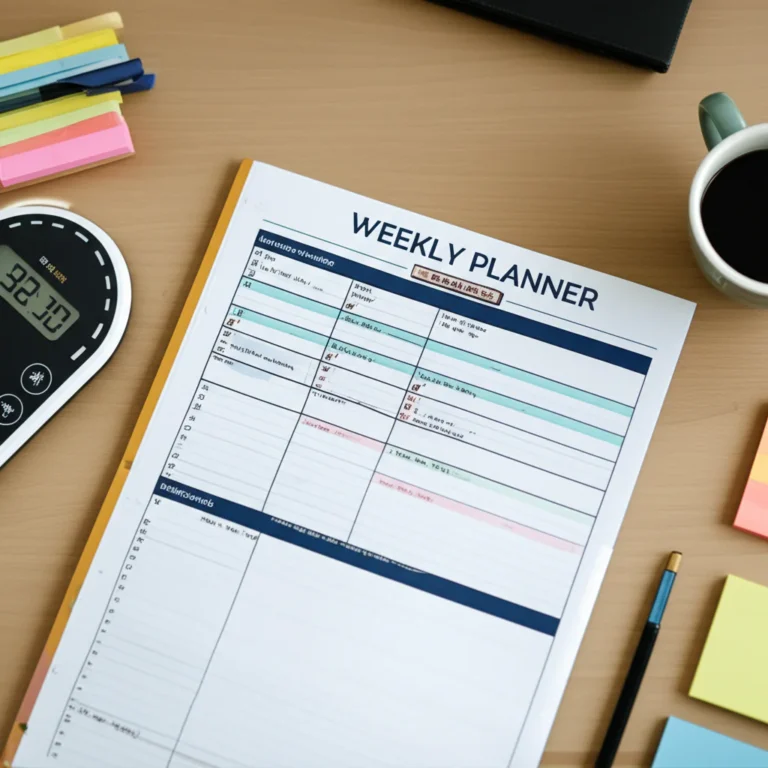




Wow, this guide is a goldmine for teachers looking to level up their lesson planning! It’s amazing how it covers everything—from clear objectives and engaging hooks to differentiation, gamification, and cross-curricular integration—making sure lessons are effective and exciting. One thing that really stands out is the emphasis on using technology like Planboard and Pear Deck to streamline planning while keeping students actively involved.
Speaking of keeping track, just like a CGPA calculator helps students monitor their academic progress across subjects, these planning tools let teachers track learning, formative assessments, and engagement over time. It’s the same domain of efficiency: measuring, analyzing, and optimizing performance—whether it’s grades or lesson outcomes. Sites like theeasygrader.com
even let students calculate and predict CGPA, while teachers can use platforms like Planboard to calculate progress toward learning goals, making the whole process data-driven and less stressful.
It’s all about turning effort into measurable results—for both teaching and learning!